Can Your Home Electrical Panel Support an EV Charger?
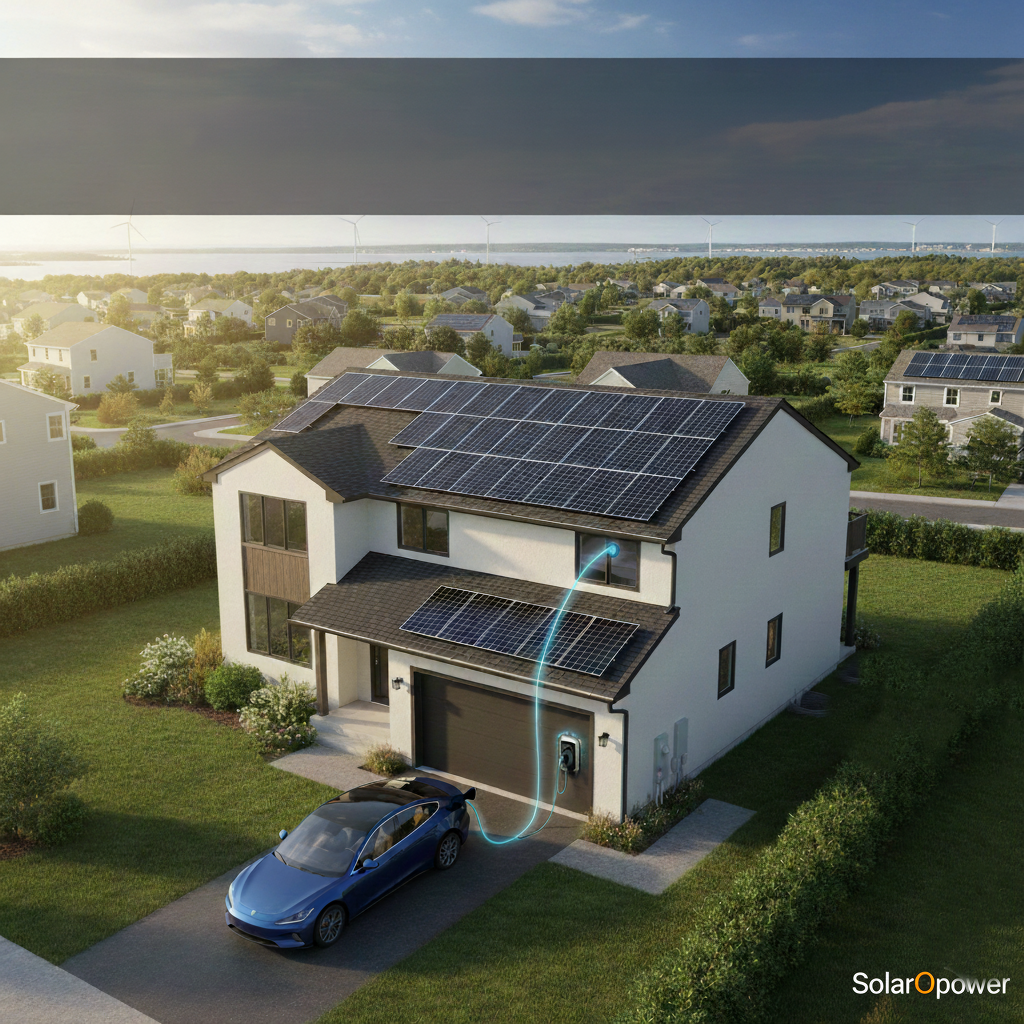
Ever wondered if your home’s electrical system can handle adding an EV charger — especially if you’re also thinking about solar power?
Why This Matters for EV + Solar Owners
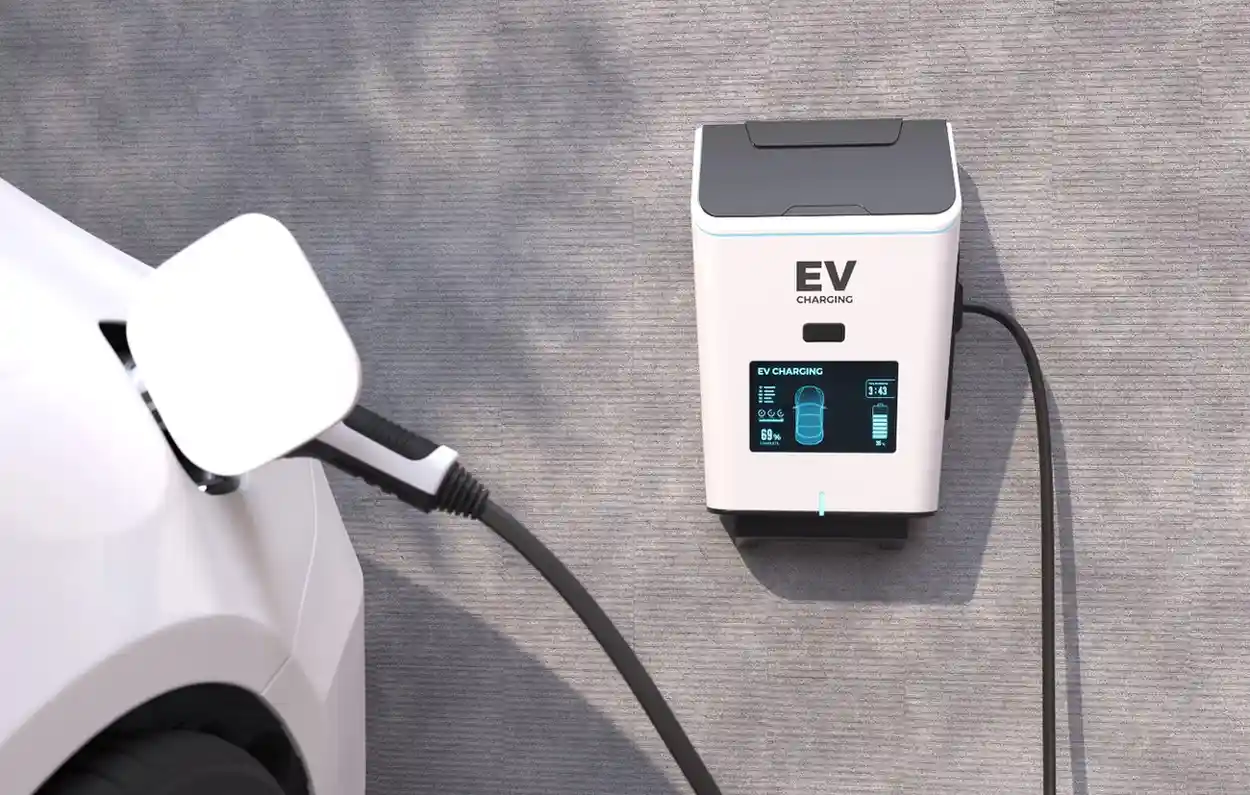
If you plan to charge an electric vehicle (EV) at home — especially one powered by your solar energy system — your electrical panel must safely manage the extra load. This is essential for your home’s safety, energy performance, and to avoid breaker trips.
Before installing a charger, it’s smart to check whether your panel has enough capacity and space for a dedicated circuit. Here’s how to tell what your panel can handle.
What Is an Electrical Panel?
Your electrical panel is the box that distributes electricity from the grid (or solar inverter) to all circuits in your home — lighting, appliances, EV charger, etc. It has a main breaker labeled in amps (e.g., 100 A, 200 A) and spaces for individual circuit breakers.
Do You Need a Panel Upgrade for an EV Charger?
Short answer: Only some homes need one.
Typical Scenarios
Homes with 200-amp panels:
Homes with 100-amp panels:
- A panel upgrade is often recommended, especially if other heavy loads are running (HVAC, dryer, etc.).
- Homes with panels below 100 A:
- They will almost certainly need a service upgrade before installing a Level 2 charger.
- Older or crowded panels:
- Limited breaker slots or outdated technology can make an upgrade necessary, even with higher amperage.
Level 1 vs Level 2 EV Charging — What Your Panel Needs
| Charger Type | Voltage | Typical Breaker Size | Panel Impact |
| Level 1 | 120 V | 15–20 A | Usually minimal; often no upgrade. |
| Level 2 | 240 V | 40–60 A | May require dedicated circuit & panel assessment. |
Note: Level 2 chargers deliver faster home charging (20–30 mi/hour) and are the most common choice for EV owners.
How to Know If Your Panel Can Handle It
Key Things to Check:
- Main breaker rating: If it’s 200 A or above, you’re more likely okay. Circuit space: You need space for a dedicated 240 V breaker (usually two slots).
- Current load: If your home already runs many high-draw appliances, capacity may be tight.
- Age & safety: Panels older than ~25 years or from recalled brands (Federal Pacific, Zinsco) should be replaced.
What Happens If Your Panel Isn’t Ready
If your panel can’t safely support the charger, you may run into:
- Frequent breaker trips
- Flickering lights or overloaded circuits
- Increased risk of overheating or hazards
In those cases, an electric panel upgrade might be the right move.
What Is an Electric Panel Upgrade?
An electric panel upgrade typically means replacing your existing panel with one that has:
Higher amperage (e.g., 100 A → 200 A)
More breaker spaces
Modern safety features
This lets you add a powerful EV charger circuit without overloading your system.
Typical upgrade cost: Varies widely ($1,500–$5,000+), depending on capacity and labor in your area.
Solar + EV Charging: Why a Good Panel Helps
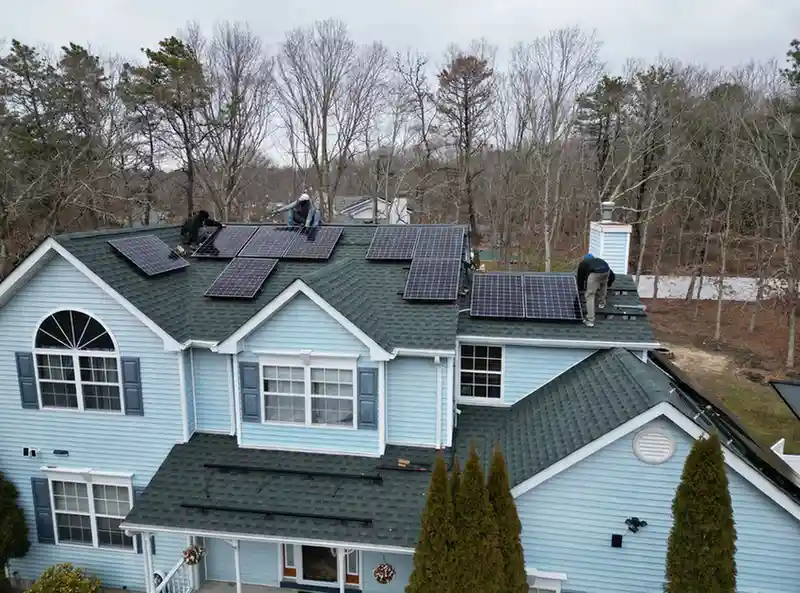
If you already have solar panels or plan to install them, a well-sized electrical panel lets you:
- Use more solar power to charge your EV (lower grid draw)
- Add battery storage later without re-doing your panel
- Manage your energy use for peak efficiency
SolarO-Power helps homeowners design systems that work together — solar panels, EV charging, and battery storage — for smarter home energy.
FAQS
Can a 100-amp panel support a Level 2 EV charger?
Most 100 A panels struggle with a 40–60 A EV circuit plus other loads, so an upgrade is often recommended — but in some cases smart load management can help.
How much does an electric panel upgrade cost?
Can solar panels help reduce panel capacity issues?
Solar panels don’t increase panel capacity, but they reduce grid draw and can cut EV charging costs over time.
Conclusion
Your electrical panel might already be ready for an EV charger, especially if it’s a modern 200 amp system. But it’s smart to check before installing — especially if you’re pairing EV charging with solar power.