
Is your solar inverter displaying error messages, shutting down unexpectedly, or producing less electricity than usual? A solar inverter problem can affect the performance of your entire solar energy system.
SolarOPower provides professional Solar Inverter Replacement Long Island NY solutions, helping homeowners and businesses evaluate inverter problems and explore suitable replacement options.
Before recommending a replacement, it is important to understand what is causing the problem. Some inverter issues may be resolved through troubleshooting or repair, while others may require new equipment.
Our approach focuses on understanding your existing solar system, reviewing equipment compatibility, and identifying appropriate replacement options based on your property’s energy requirements.
Need help with your solar inverter? Contact SolarOPower to discuss your system and request a professional assessment.
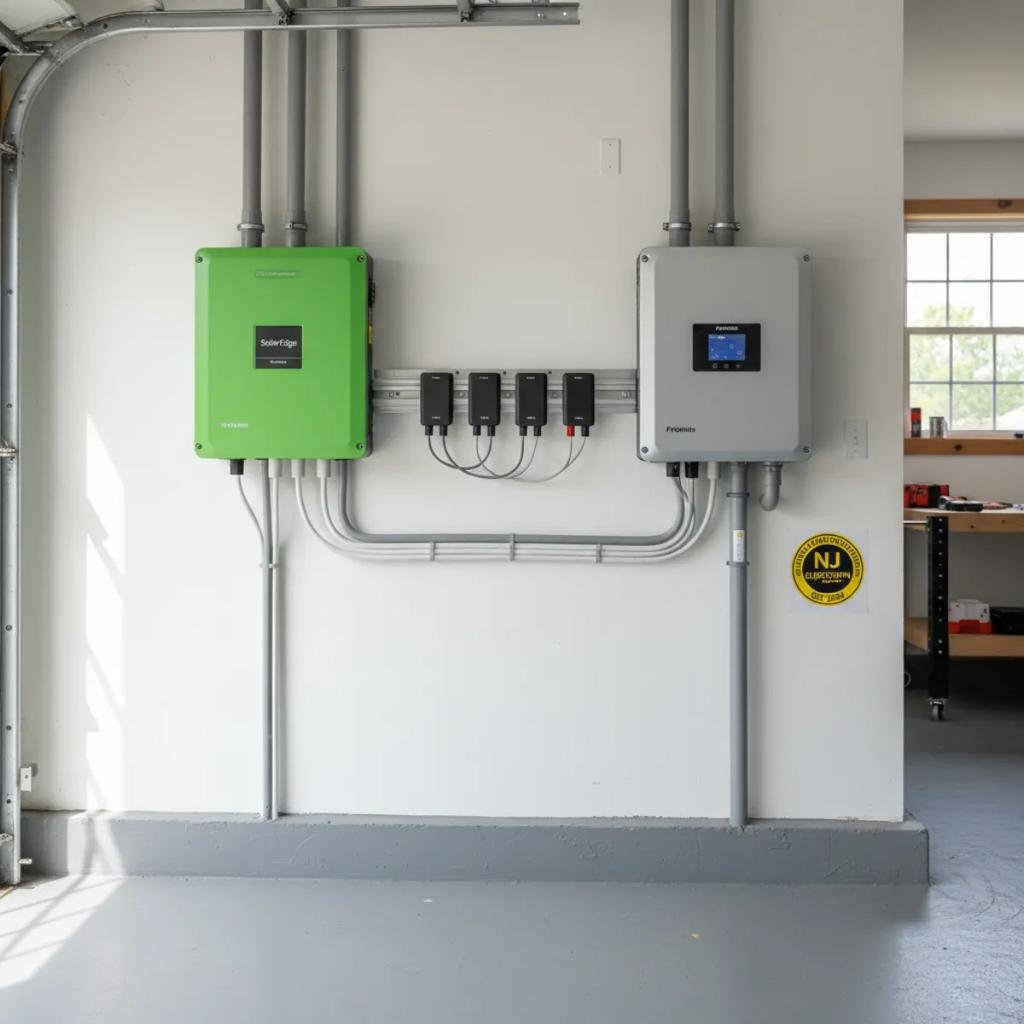
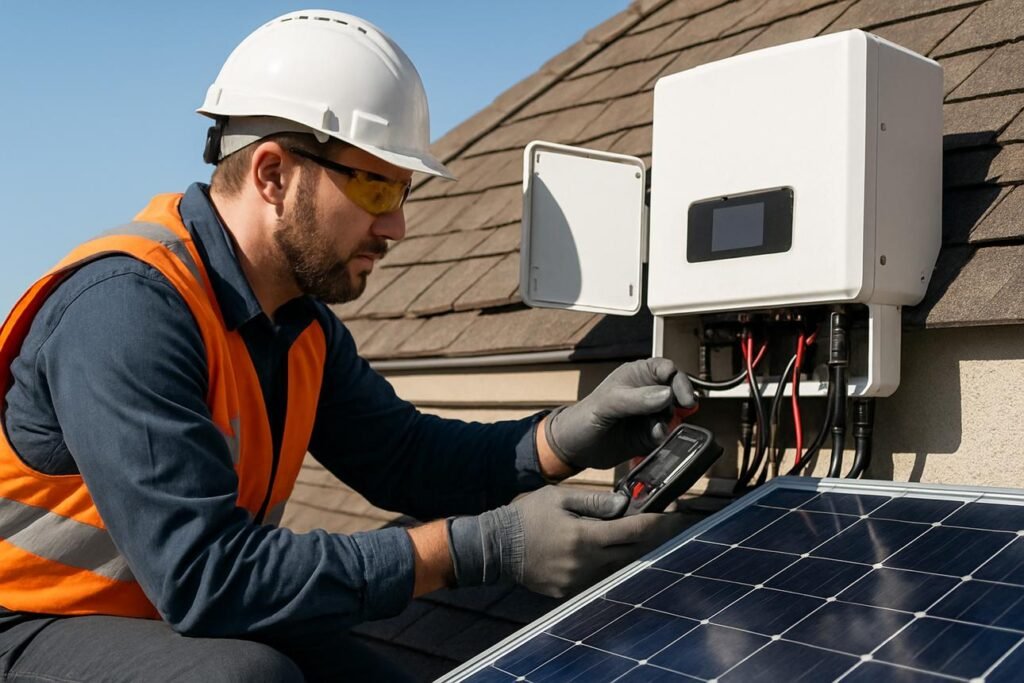
Professional Solar Inverter Replacement Long Island
A solar inverter is one of the most important components of a solar energy system. It converts the direct current (DC) electricity generated by solar panels into alternating current (AC) electricity used by your home’s or business’s electrical systems.
When an inverter stops functioning correctly, your solar system may experience reduced electricity production, monitoring interruptions, or a complete shutdown.
SolarOPower helps Long Island property owners explore inverter replacement solutions based on their existing equipment and system requirements.
Our inverter assessment considers:
Existing inverter brand, model, and capacity
Solar panel configuration and system size
Current inverter performance and error messages
Electrical connections and system condition
Compatibility with replacement equipment
Existing battery storage and monitoring requirements
Applicable utility and local requirements
The goal is to help you understand the available options before proceeding with replacement work.
Signs Your Solar Inverter May Need Replacement
Recognizing potential inverter problems can help you determine when your solar system needs professional attention.
1. Frequent Inverter Error Messages
Repeated warning messages, fault codes, or system alerts may indicate an inverter-related problem. The cause could involve internal equipment faults, electrical connections, or other system conditions.
A proper assessment can help determine whether troubleshooting, repair, or replacement is appropriate.
2. Reduced Solar Energy Production
If your solar monitoring system shows an unexpected decrease in electricity generation, the inverter may be one possible cause.
However, solar panel issues, shading, wiring problems, and environmental conditions can also affect production. Identifying the actual cause is important before replacing equipment.
3. Frequent Inverter Shutdowns
An inverter that repeatedly shuts down or restarts may have an internal fault, overheating issue, or electrical problem.
Persistent shutdowns should be evaluated to understand whether the existing equipment can be repaired or needs replacement.
4. Older or Outdated Inverter Equipment
Older inverter models may become more difficult to maintain, particularly when replacement parts are unavailable.
Depending on the equipment’s condition, age, warranty coverage, and repair options, replacing the inverter may be worth considering.
5. Solar Monitoring Communication Problems
If your solar monitoring platform stops receiving inverter data, there may be a communication issue, network problem, or equipment fault.
Troubleshooting can help identify whether the problem is related to the monitoring system or the inverter itself.
Solar Inverter Repair vs. Replacement: Which Option Is Better?
Not every inverter problem requires a complete replacement. Understanding the difference between repair and replacement can help property owners make a more informed decision.
When Solar Inverter Repair May Be Suitable
Repair may be worth considering when:
The issue is related to a repairable electrical connection.
Monitoring or communication problems can be resolved.
A minor fault can be corrected without replacing the entire unit.
Suitable replacement components are available.
The existing inverter remains compatible with the solar system.
When Solar Inverter Replacement May Be Necessary
Replacement may be a better option when:
The inverter has a confirmed internal hardware failure.
The equipment repeatedly develops serious faults.
Necessary replacement components are unavailable.
The inverter is beyond practical repair.
The existing equipment no longer meets the system’s requirements.
The final decision depends on the inverter’s condition, repair costs, warranty coverage, and compatibility with available replacement equipment.
Important: A professional diagnosis should be completed before deciding whether to repair or replace an inverter.
Types of Solar Inverters and Replacement Options
Different solar installations use different inverter technologies. Choosing a replacement requires understanding your existing system configuration.
String Inverters
String inverters connect multiple solar panels in a series and convert the electricity generated by the solar array into usable AC electricity.
Replacement selection should consider system capacity, panel configuration, voltage requirements, and the existing electrical design.
Microinverters
Microinverters are installed at individual solar panels or small groups of panels, depending on the system design.
Replacement requires checking compatibility with the existing panels, monitoring equipment, and electrical configuration.
Hybrid Inverters
Hybrid inverters can support solar energy systems with compatible battery storage.
When considering a hybrid inverter replacement, battery compatibility, backup requirements, and system configuration should be reviewed.
Battery-Compatible Inverters
Some solar installations use inverter equipment designed to operate with battery storage systems.
The replacement equipment should be evaluated according to battery specifications, communication requirements, and intended operating modes.
Check Your Solar Inverter Warranty Before Replacement
Before purchasing a new inverter, review the warranty coverage of your existing equipment.
Depending on the manufacturer and warranty terms, an inverter problem may qualify for repair or replacement support.
Consider checking:
Inverter manufacturer and model number
Original installation date
Warranty duration and coverage conditions
Available manufacturer support
Proof of purchase or installation documentation
Whether the fault is covered under the warranty
Warranty coverage varies by manufacturer, equipment model, installation conditions, and applicable terms.
Reviewing warranty options before replacement may help you understand the available solutions and avoid unnecessary expenses.
Solar Inverter Compatibility and System Upgrades
Selecting a replacement inverter involves more than matching the capacity of the original equipment.
The new inverter should be evaluated against the complete solar system to ensure that the equipment is suitable for the existing installation.
Important compatibility considerations include:
Solar Panel Compatibility
Panel voltage, current specifications, system configuration, and inverter input requirements should be reviewed before selecting replacement equipment.
Battery Storage Compatibility
If your property has battery storage or plans to add a battery, the inverter should be suitable for the intended battery configuration.
Monitoring System Compatibility
The replacement inverter should support the required monitoring functionality and communication setup.
Electrical System Requirements
Existing wiring, electrical connections, protection equipment, and applicable electrical requirements should be considered.
Future Solar System Upgrades
If you are planning to expand your solar system, equipment selection should consider your future energy requirements and upgrade plans.
Our Solar Inverter Replacement Process
SolarOPower follows a structured approach to help property owners understand their inverter replacement requirements.
01. Initial Consultation
We discuss your existing solar installation, inverter concerns, electricity usage, and any error messages or performance changes you have noticed.
02. Existing System Assessment
We review the inverter model, system capacity, solar panel configuration, and available performance information to understand your existing installation.
03. Troubleshooting and Diagnosis
We consider possible inverter faults and other system issues to help determine whether repair or replacement may be appropriate.
04. Replacement Options and System Planning
If replacement is recommended, we discuss suitable inverter options, equipment specifications, compatibility requirements, and the expected scope of work.
05. Replacement Coordination
Where replacement work is undertaken, the installation arrangements should follow the equipment specifications, applicable electrical requirements, and relevant local approvals.
06. System Testing and Follow-Up
Following replacement, the system should be checked for proper operation, applicable safety requirements, and monitoring functionality.
Residential and Commercial Solar Inverter Replacement
Inverter replacement requirements vary depending on the size, configuration, and purpose of the solar energy system.
Residential Solar Inverter Replacement
Homeowners may need inverter replacement when their existing equipment develops faults, experiences repeated shutdowns, or becomes difficult to maintain.
Replacement planning should consider:
Existing solar panel specifications
Household electricity requirements
Inverter capacity and configuration
Battery storage compatibility
Existing monitoring equipment
The right equipment should be selected according to the home’s existing solar installation and energy requirements.
Commercial Solar Inverter Replacement
Commercial solar systems may use larger or multiple inverter units to support business electricity requirements.
Replacement planning should consider system capacity, equipment compatibility, electrical infrastructure, and the potential impact of interruptions to solar production.
A suitable replacement strategy should account for the operational needs of the property.
Solar Inverter Replacement Across Long Island, NY
SolarOPower serves customers across its Long Island service area, including communities in Nassau and Suffolk Counties.
Property owners should consider their existing system configuration, local electrical requirements, and applicable utility procedures before replacing an interconnected solar inverter.
Whether your property has a residential or commercial solar installation, contact our team to discuss inverter replacement options and service availability in your area.
Frequently Asked Questions About Solar Inverter Replacement
1. How do I know if my solar inverter needs replacement?
2.How much does solar inverter replacement cost in Long Island, NY?
3.How long does solar inverter replacement take?
4. Can I replace my existing solar inverter with a different brand?
5. Can I replace my solar inverter without replacing the solar panels?
6. Will my solar panels work if the inverter stops working?
7. Does inverter replacement require PSEG Long Island approval?
8. Can I upgrade my inverter to support battery storage?
9. Should I repair or replace an older solar inverter?
10. Which areas do you serve for solar inverter replacement?
Request a Solar Inverter Replacement Assessment
Is your solar inverter displaying error messages or affecting your system’s electricity production?
SolarOPower can help you understand your existing equipment, explore suitable replacement options, and identify the next steps for your property.
Whether you have a residential or commercial solar system, contact our team to discuss your inverter replacement requirements.
Get in touch with SolarOPower today to request a solar inverter replacement assessment in Long Island, NY.
SolarOPower
Long Island, NY
Phone: 516-502-7060