Are you planning a commercial solar installation but unsure how to get the best return on investment?
The short answer: start with a detailed energy audit, design the system based on real load data, choose high-quality components, and work with an experienced commercial solar partner. When done right, business solar solutions can reduce operating costs, protect against rising electricity prices, and improve long-term asset value.
In this guide, we’ll break down the proven best practices for successful commercial solar projects — using verified data, clear steps, and practical advice.
Why Commercial Solar Makes Business Sense in 2026
Commercial solar is no longer a niche upgrade. It’s a strategic business move.
According to the International Energy Agency (IEA, 2023), solar PV is the fastest-growing source of new electricity generation globally. In many countries, solar power is now the lowest-cost source of new electricity.
For businesses, that means:
- Lower long-term electricity bills
- Predictable energy costs
- Reduced carbon footprint
- Better ESG reporting performance
- Higher property value
In regions like India and the Middle East, rising grid tariffs and strong solar irradiance make commercial solar installation especially attractive.
Step 1: Start with a Professional Energy Audit
Before installing panels, understand your energy use.
A proper audit should include:
- 12–24 months of electricity bills
- Peak demand analysis (kW)
- Load profile by time of day
- Future expansion plans
- Roof condition and structural review
This data helps size the system correctly. Oversizing leads to wasted capital. Undersizing reduces savings.
Step 2: Evaluate Site Feasibility and Solar Potential
Every commercial property is different.
A feasibility study should assess:
- Roof type (RCC, metal sheet, etc.)
- Available shadow-free area
- Structural strength
- Transformer capacity
- Net metering rules (if applicable)
- Local regulations
Tools like satellite mapping and on-site shading analysis improve accuracy.
Step 3: Design for Performance, Not Just Price
Choosing the lowest bid can cost more later.
High-performing commercial solar systems focus on:
1. Quality Solar Panels
Tier-1 manufacturers with strong warranties (typically 25 years performance warranty).
2. Reliable Inverters
Inverters convert DC to usable AC power. Failure rates matter in large systems.
3. Mounting Structure Durability
Corrosion-resistant materials are essential, especially in coastal areas.
4. Proper System Monitoring
Real-time monitoring helps detect faults quickly and protects ROI.
According to International Renewable Energy Agency (IRENA, 2022), operation and maintenance practices directly impact solar plant performance and lifetime output.
Step 4: Follow Safety and Compliance Standards
Commercial solar systems must follow electrical and structural codes.
Key compliance areas:
- Earthing and lightning protection
- Fire safety spacing
- Load-bearing certification
- Grid interconnection standards
In India, guidelines from Ministry of New and Renewable Energy (MNRE) apply. In the UAE, regulations from Dubai Electricity and Water Authority (DEWA) govern grid-connected systems.
Compliance protects your investment and avoids operational delays.
Step 5: Prioritize Long-Term Operations & Maintenance (O&M)
Many commercial projects perform well in year one but lose efficiency later due to poor maintenance.
Best practices include:
- Panel cleaning schedule (based on dust levels)
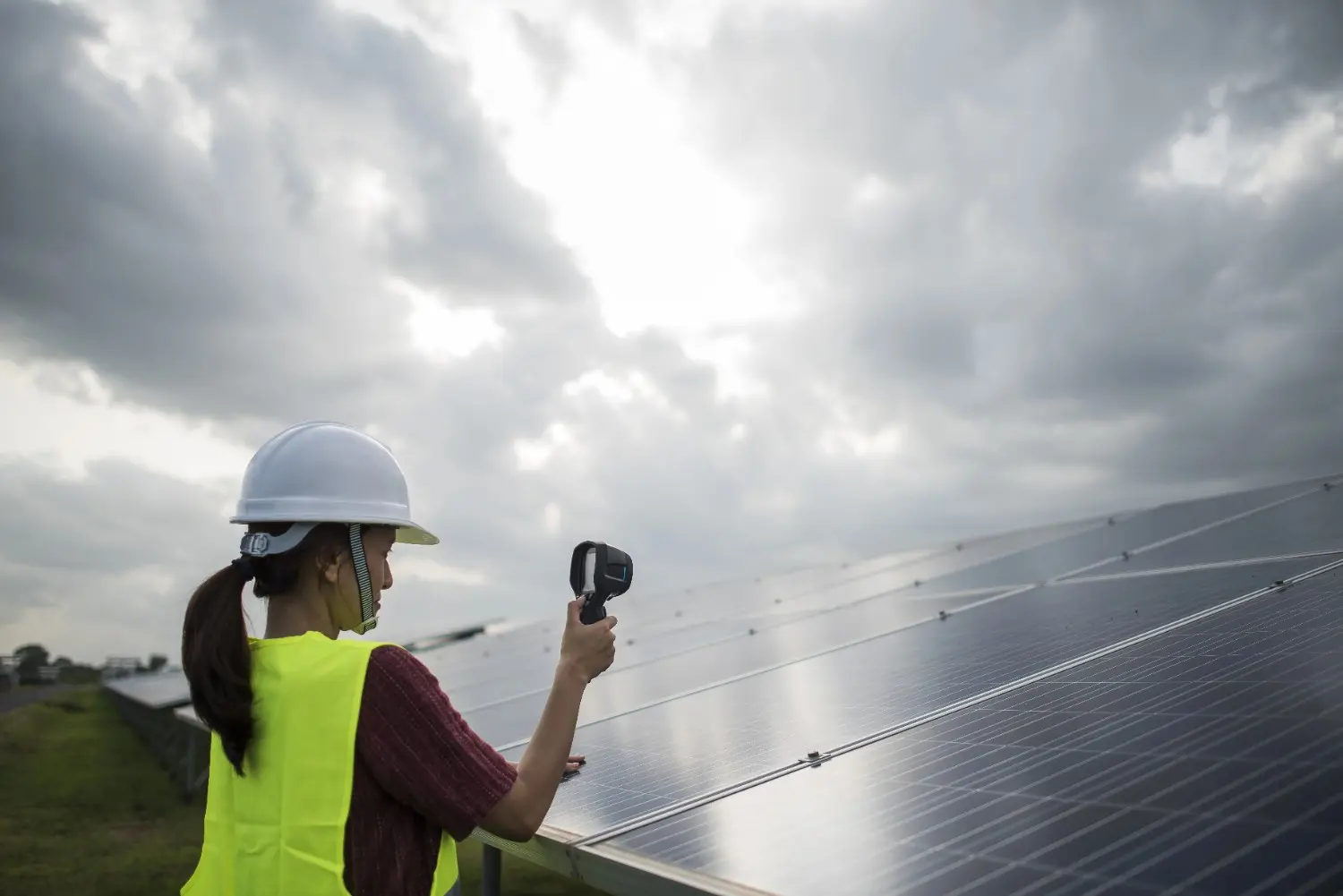
- Annual thermal scanning
- Inverter health checks
- Performance ratio monitoring
- Preventive inspections
Step 6: Work with an Experienced Commercial Solar Partner
Large systems require coordinated planning between:
- Structural engineers
- Electrical engineers
- Utility authorities
- Safety teams
- Financial advisors
An experienced company like Solar O Power understands commercial load patterns, local approvals, and performance optimization.
Common Mistakes to Avoid in Commercial Solar Installation
Choosing vendors only based on lowest price
Ignoring shadow analysis
Skipping structural assessment
Not reviewing inverter efficiency ratings
No long-term maintenance contract
Avoiding these mistakes improves payback period and system lifespan
Conclusion
Commercial solar is one of the smartest long-term investments a business can make — but only when planned and executed properly.
Start with accurate data. Choose quality equipment. Follow safety rules. Maintain the system well. Work with experienced professionals.
If you’re ready to reduce energy costs and move toward cleaner power, explore Solar O Power’s commercial solar solutions here