Want to charge your electric car at home without high electricity bills?
Yes, you can power your EV directly from the sun using solar EV charging. By installing solar panels for EV charging, your system produces clean electricity that charges your vehicle during the day. This reduces charging costs and lowers carbon emissions.
Let’s understand how it works and whether it makes sense for your home.
What Is Solar EV Charging?
Solar EV charging means using electricity generated by rooftop solar panels to charge your electric vehicle.
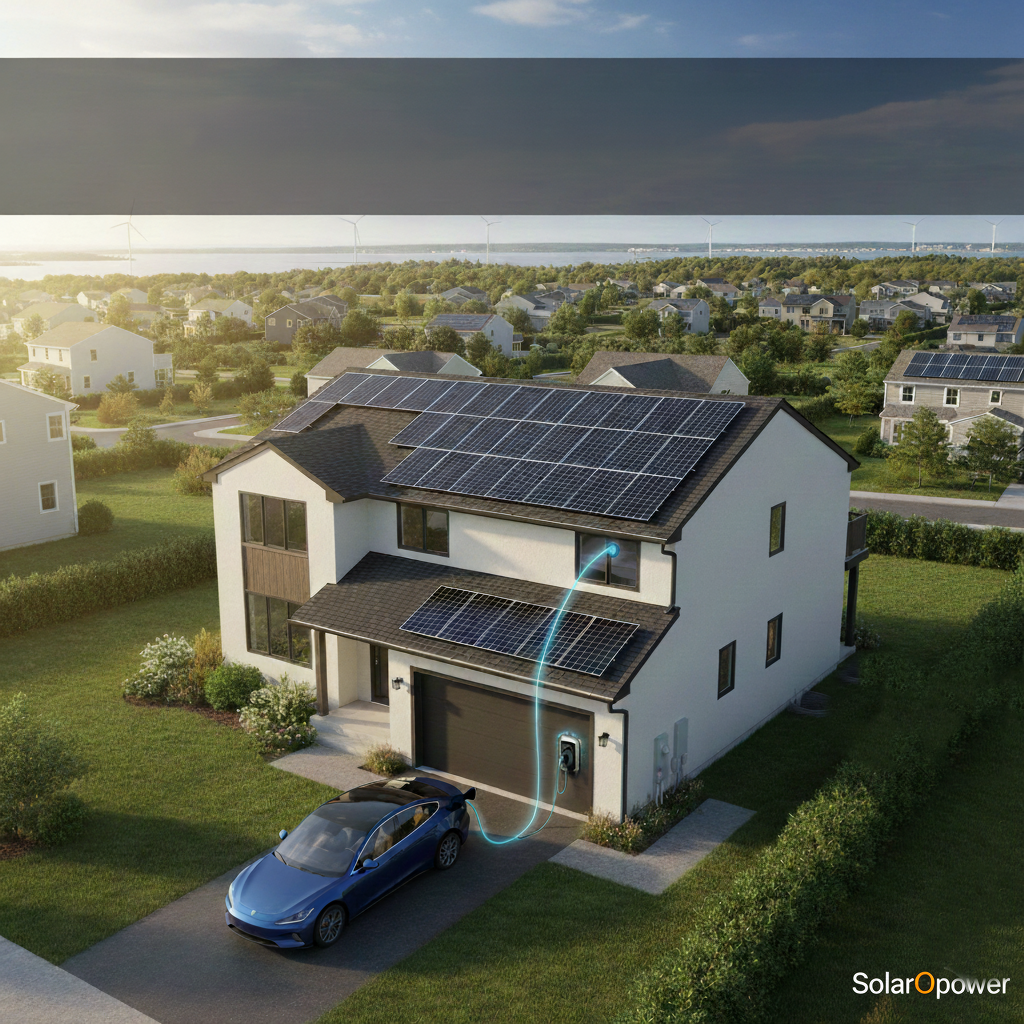
Here’s how the system works:
- Solar panels capture sunlight and generate DC electricity.
- A solar inverter converts DC into AC electricity.
- The power flows to your home distribution board.
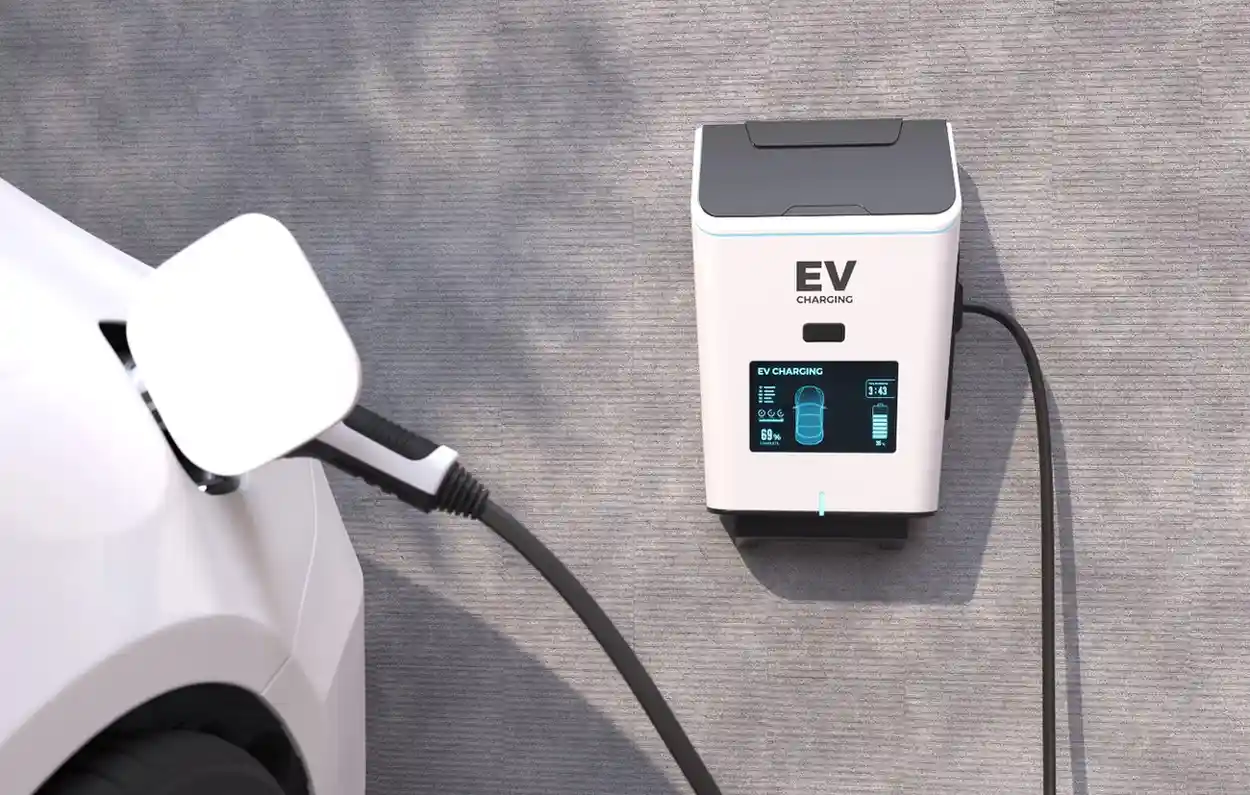
- A Level 2 EV charger supplies electricity to your car.
If you add battery storage, excess energy can be stored for night charging
Why Combine Solar Panels for EV Charging?
Pairing solar with your EV gives both financial and environmental benefits.
1. Lower Charging Costs
The International Energy Agency (IEA, 2023) reports that EV charging is generally cheaper than fueling petrol or diesel vehicles in most markets.
When powered by solar, daytime charging costs can drop close to zero after installation recovery.
2. Lower Emissions
According to the U.S. Environmental Protection Agency (EPA, 2023), electric vehicles produce fewer lifecycle emissions compared to gasoline cars. Emissions reduce even further when electricity comes from renewable sources like solar.
Solar + EV significantly reduces your carbon footprint.
3. Greater Energy Independence
With a well-sized rooftop solar system:
- You rely less on grid electricity
- You reduce exposure to rising power tariffs
- You gain better control over energy use
How Many Solar Panels Do You Need for EV Charging?
It depends on:
- Daily driving distance
- Vehicle energy consumption
- Local sunlight availability
Types of Solar EV Charging Systems
| System Type | Description | Suitable For |
| Grid-Tied | Uses solar first, grid when needed | Urban homes |
| Hybrid (Solar + Battery) | Stores excess energy | Areas with outages |
| Off-Grid | Fully independent system | Remote locations |
Solar O Power offers:
- Rooftop solar systems
- On-grid solar installations
- Hybrid solar solutions
- EV charger installation services
Equipment Required for Solar EV Charging
To power your electric car from solar, you need:
- Rooftop solar panels
- Solar inverter (string or hybrid)
- Net meter (for grid-connected systems)
- Level 2 EV charger (7kW–11kW typical for homes)
- Optional lithium battery storage
Is Solar EV Charging Worth It?
Solar EV charging makes sense if:
- You drive regularly
- Your electricity tariff is high
- You plan to stay in your home long-term
You want cleaner energy use
Conclusion
Solar EV charging is a practical way to reduce fuel expenses and lower emissions. With strong sunlight availability in India and falling solar costs, many homeowners can power their electric vehicles directly from the sun.
If you are considering installing solar panels for EV charging, consult Solar O Power for system sizing, installation, and support.
Power your home. Power your car. Power it with sunlight.
FAQS
Can I charge my EV directly from solar panels?
Yes. During the day, your inverter routes solar electricity to your EV charger.
Do I need battery storage?
Not mandatory. Batteries allow night charging using stored solar energy, but grid-tied systems also work well.
How long does solar EV charging take?
Charging speed depends on your EV charger rating (7kW–11kW common). Solar simply supplies the power source.