
Table of Contents
- Introduction
- What Is a Solar Critter Guard?
- Why Animals Get Under Solar Panels
- Signs You May Have Critters Under Your System
- The Real Cost of Ignoring Critter Damage
- How Critter Guards Protect Your Investment
- Installation Process: What to Expect
- Choosing the Right Solar Critter Guard for Your Long Island Home
- Conclusion
- FAQs
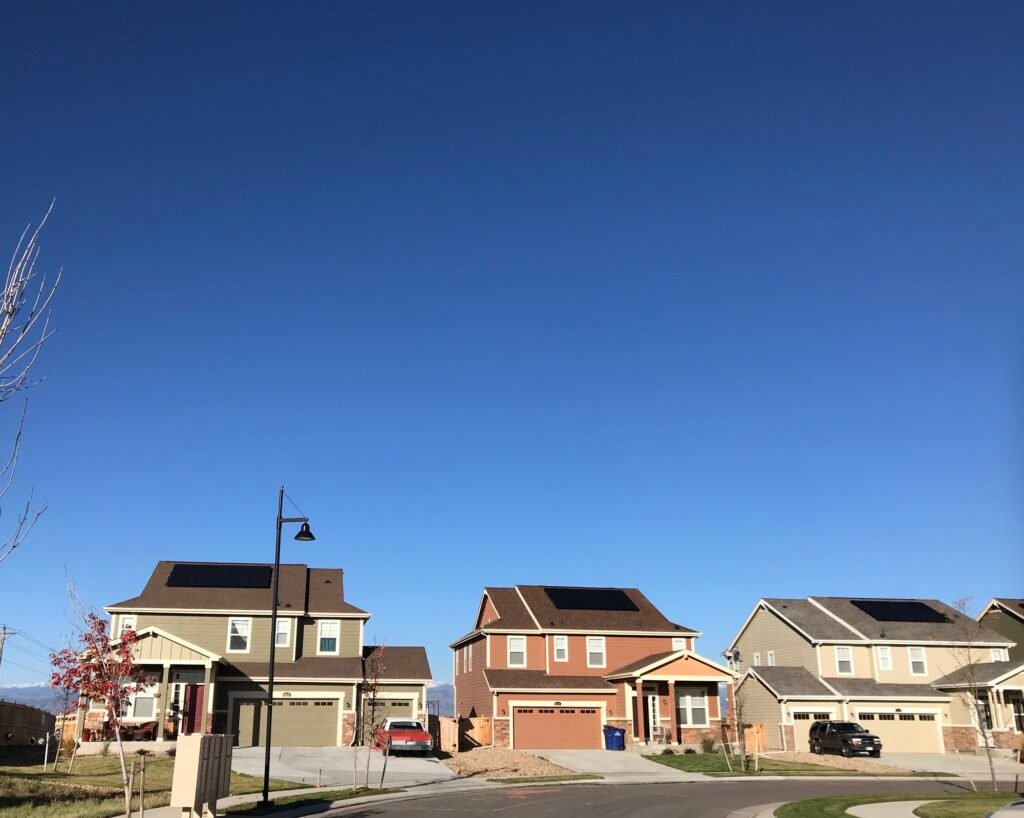
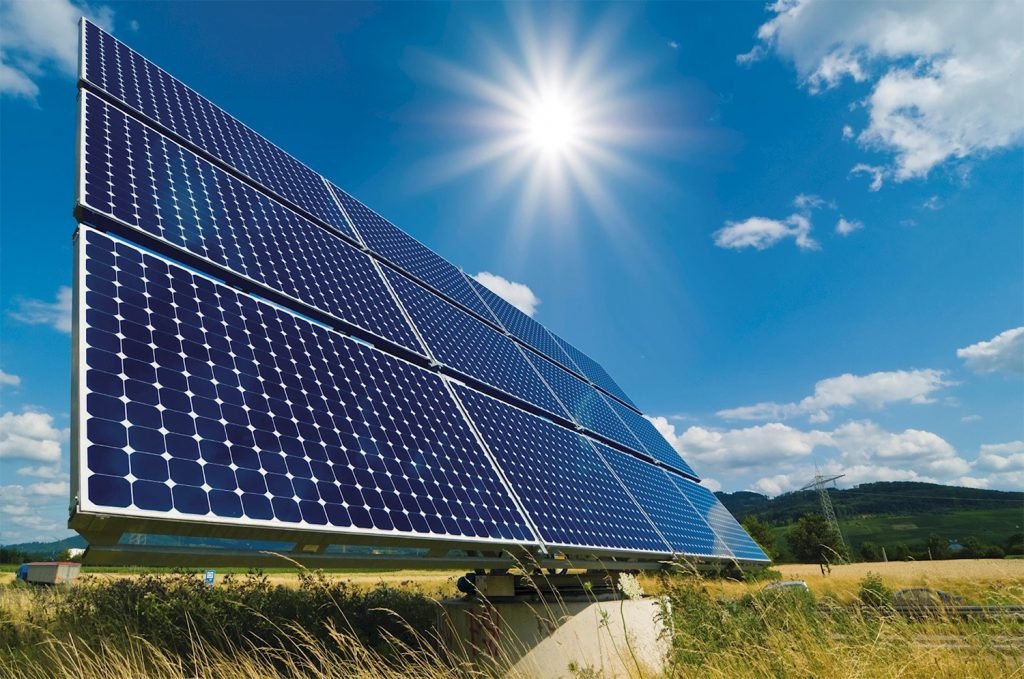
If you’ve noticed scratching sounds on your roof or a sudden dip in your energy output, a solar critter guard might be the fix you didn’t know you needed. Long Island homeowners with rooftop solar systems are increasingly discovering that squirrels, birds, and raccoons see the space beneath their panels as prime real estate – warm, dry, and safe from predators. Left unchecked, this seemingly harmless nesting habit can lead to chewed wiring, reduced performance, and repair bills that could have been avoided entirely.
In this guide, we’ll walk through why animals target solar panels, how to spot the warning signs early, and what a proper critter guard installation actually involves – so you can protect the investment you made in clean energy.
What Is a Solar Critter Guard?
A solar critter guard is a mesh barrier installed around the perimeter of your solar array. It seals off the open gap between your roof and the underside of your panels – the exact space wildlife looks for when hunting for shelter.
Unlike DIY fixes like mothballs or ultrasonic repellents, a properly installed critter guard:
- Physically blocks animal entry without affecting airflow
- Doesn’t interfere with panel performance or warranty coverage
- Provides a long-term, low-maintenance solution
Why Animals Get Under Solar Panels
Solar panels are typically mounted a few inches above the roof surface to allow for airflow and cooling. That gap creates an ideal microclimate for local wildlife – especially on Long Island, where tree cover and suburban landscaping put homes close to natural habitats.
Common culprits include:
- Squirrels – the most frequent offenders, known for chewing wiring insulation
- Raccoons – larger and capable of causing more structural nesting damage
- Pigeons and sparrows – often nest in flatter, more accessible panel setups
- Mice and rats – smaller but still capable of gnawing through cable sheathing
Homes near wooded lots, parks, or mature trees tend to see higher critter activity than those in more open, exposed areas.
Signs You May Have Critters Under Your System
It’s not always obvious that something has moved in under your panels. Watch for:
- Scratching or rustling noises, especially around dawn or dusk
- Visible nesting material (twigs, leaves, insulation) peeking out from panel edges
- A noticeable drop in your system’s energy production
- Droppings or debris collecting near the roofline or gutters
- Panels that appear slightly lifted or uneven at one edge
If you notice even one of these, it’s worth scheduling an inspection before the issue escalates.
The Real Cost of Ignoring Critter Damage
What starts as a small nest can turn into a significant repair. According to pest control and solar maintenance data, rodent damage is one of the leading causes of unexpected residential fire risk related to chewed electrical wiring. For solar systems specifically, the consequences can include:
- Wiring damage that reduces system efficiency or trips your inverter
- Water intrusion around panels with disturbed seals or flashing
- Costly emergency repairs that far exceed the price of preventive protection
- Extended system downtime while repairs are diagnosed and completed
Preventing the problem is almost always cheaper than fixing it after the fact.
Protect Your System Before It’s Too Late SolarOPower offers free critter guard inspections for Long Island homeowners.
How Critter Guards Protect Your Investment
A well-installed critter guard does more than just block animals – it protects the full value of your solar investment:
- Preserves system performance by preventing debris and nesting buildup
- Protects your 25-year panel warranty by avoiding physical and electrical damage
- Reduces long-term maintenance costs by stopping problems before they start
- Gives homeowners peace of mind, especially heading into storm and nesting seasons
Installation Process: What to Expect
A professional critter guard installation typically follows three steps:
1. Inspect
Technicians check your full solar array for existing nesting activity, chewed wiring, or vulnerable entry points.
2. Identify Risk Areas
Every gap where wildlife could access the underside of your panels is mapped out, with particular attention paid to areas near trees, gutters, and roof edges.
3. Install and Seal
Mesh guards are secured around the perimeter of the array, blocking access while preserving proper airflow for panel cooling.
Most installations are completed same-day and don’t require any changes to your existing solar setup.
Choosing the Right Solar Critter Guard for Your Long Island Home
Not all critter guards are created equal. When comparing options, look for:
- Durable, weather-resistant mesh that can handle Long Island’s coastal humidity and winter conditions
- A snug, custom fit rather than a generic one-size-fits-all product
- Installers with solar-specific experience, not just general pest control background
- A warranty or guarantee on the installation itself
Working with a local installer familiar with Long Island’s housing stock and wildlife patterns ensures the guard is fitted correctly the first time.
Conclusion
Animals nesting under solar panels are a common – and preventable – problem for Long Island homeowners. Left unaddressed, even a small nest can lead to wiring damage, reduced energy output, and expensive repairs. A properly installed solar critter guard is a simple, one-time investment that protects your system’s performance and lifespan for years to come.
If you’ve noticed noises, debris, or a drop in your solar output, don’t wait for the damage to get worse. Contact SolarOPower today for a free inspection and keep your system protected.
FAQs
Do I need a critter guard for my solar panels? If you live near trees, wooded areas, or have noticed wildlife activity on your roof, a critter guard is a smart preventive step that can save you from costly repairs down the line.
What animals typically get under solar panels? On Long Island, squirrels, raccoons, pigeons, and sparrows are the most common animals found nesting beneath residential solar arrays.
Can critters actually damage my solar system? Yes. Rodents especially can chew through wiring insulation, which may cause performance loss, electrical faults, or in rare cases, fire risk.
How do I know if I already have animals under my panels? Listen for noises on the roof, check for nesting debris or droppings near the array, and watch for any unexpected drop in your system’s energy production.
Does installing a critter guard affect my solar panel warranty? No. Critter guards are installed around the perimeter of the array and don’t alter or interfere with the panels themselves.