Many homeowners assume that solar energy systems stop working once winter sets in. Shorter daylight hours, colder temperatures, and snowfall often lead people to believe energy production drops to nothing. In reality, solar panels in winter continue producing electricity—and under the right conditions, they can perform just as well, or even better, than during hotter months.
In this guide, we’ll break down how solar panels work in the winter, answer the frequently asked question “Do solar panels work in winter?”, clear up common misconceptions, and share practical ways to improve solar panel performance in winter.
Do Solar Panels Work in Winter?
Yes—solar panels do work in winter. Panels generate electricity from sunlight, not temperature. That means as long as daylight reaches the panels, they can continue producing power—even on cold, crisp days.
What surprises many homeowners is that cooler weather can actually help. High heat increases resistance within solar cells, while lower temperatures allow electricity to flow more efficiently. As a result, solar in winter can be highly effective when skies are clear.
Bottom line: Winter doesn’t stop solar production—it simply changes seasonal output levels.
Clearing Up Common Winter Solar Myths
Solar Panels and Snow
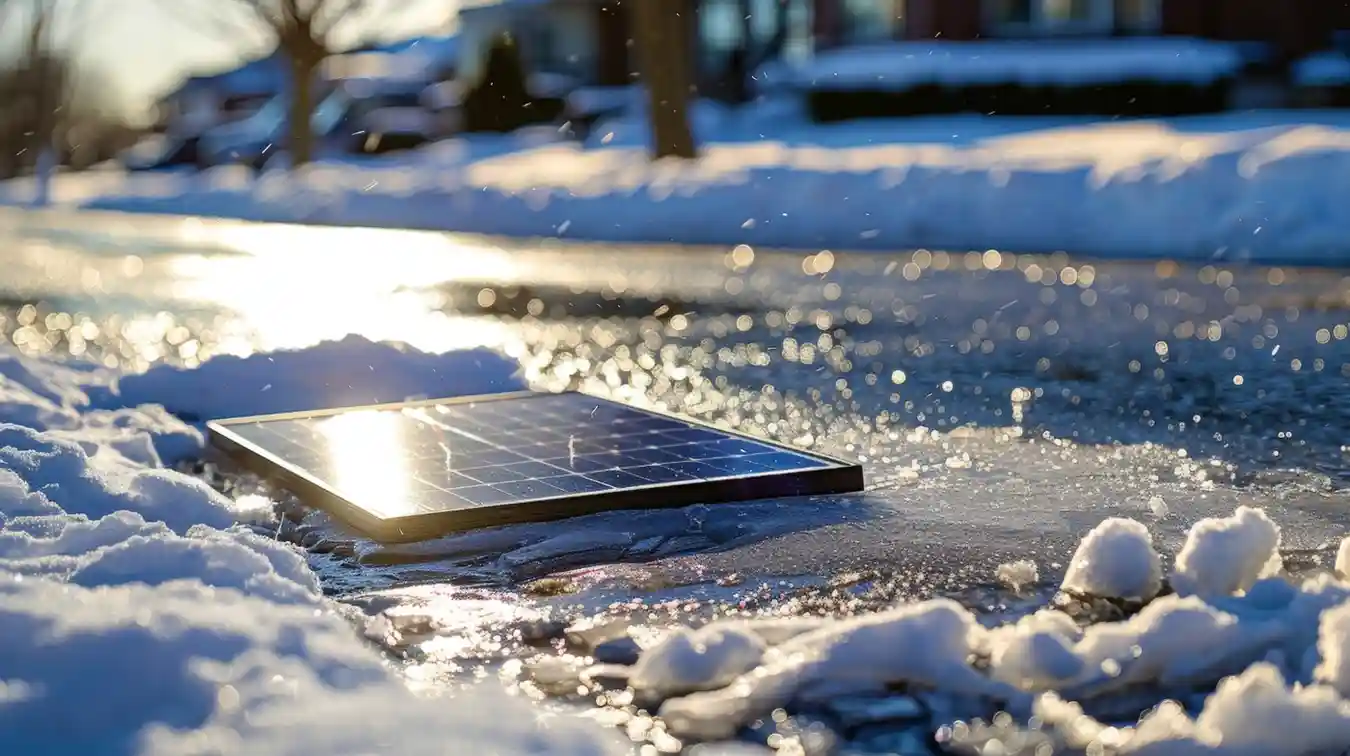
One of the biggest concerns about solar panels and snow is the belief that snow completely shuts systems down. In most cases, that’s not true:
- Panels are mounted at angles that help snow slide off naturally
- Dark panel surfaces absorb heat, helping snow melt faster
- Thin layers of snow can reflect sunlight and slightly enhance output
While heavy snow may temporarily reduce production, systems typically bounce back quickly once panels are exposed again.
Shorter Days Mean No Energy
Although winter days are shorter, modern solar systems are designed to account for seasonal variations. Even with fewer daylight hours, solar panel performance in winter can still offset a meaningful portion of household energy use—especially when combined with net metering or battery storage.
Why Cold Temperatures Can Boost Solar Performance
Solar panels operate more efficiently in cooler environments. Excessive heat increases electrical resistance, which lowers energy output. Cold winter air reduces that resistance, allowing electrons to move more freely.
Advantages of winter solar conditions include:
- Stronger voltage output
- Improved overall efficiency
- Lower risk of heat-related performance loss
That’s why solar panels winter production can be surprisingly strong on bright, cold days.
Winter Solar Panel Care and Maintenance
Schedule Routine Inspections
Regular checkups help keep solar panels in winter operating at peak performance. A professional inspection can:
- Examine wiring and electrical connections
- Check mounts for snow or ice-related issues
- Confirm panels remain clear and secure
Install Critter Protection
Cold weather pushes animals to look for shelter. Critter guards help prevent birds, squirrels, and rodents from nesting beneath panels and damaging system components.
Keep Panels Clear When Needed
Most snow will slide off naturally, but heavy buildup may require professional removal to safely restore production.
Is Winter a Smart Time to Go Solar?
Yes—installing solar panels in winter can be a strategic move.
Benefits of Winter Installation
- Faster installation timelines due to lower demand
- Potential savings through seasonal promotions
- Immediate production ahead of spring and summer
A winter install ensures your system is fully operational when longer, sunnier days arrive.
The Importance of Battery Storage in Winter
Solar battery systems store excess daytime energy for use at night or during power outages.
Winter-specific benefits include:
- Backup power during storms
- Reduced dependence on the utility grid
- Better control over energy usage during peak hours
Battery storage enhances reliability for solar in winter, even when daylight is limited.
Ways to Optimize Solar Output During Winter
Panel Positioning
South-facing panels with a steeper tilt angle are better suited to capture winter sunlight, improving solar panel performance in winter when the sun sits lower in the sky.
System Monitoring
Monitoring tools allow homeowners to:
- Review daily energy production
- Spot performance drops early
- Adjust energy habits as needed
Ongoing monitoring helps maintain strong performance throughout the year.
FAQS
Do solar panels really work during winter months?
Yes. Solar panels generate electricity from sunlight, not heat, so they continue producing power throughout winter as long as daylight is available.
Will snow damage my solar panels?
No. Solar panels are designed to withstand snow loads and harsh weather. Most snow slides off naturally due to panel tilt and smooth surfaces.
How does snow affect solar panel performance?
Heavy snow may temporarily block sunlight, but panels usually clear themselves quickly. Light snow can even reflect sunlight and boost output slightly.
Do solar panels require extra maintenance in winter?
Not much. Occasional inspections and keeping panels clear of heavy snow is usually sufficient.
Conclusion
Cold weather doesn’t mean the end of solar energy production. With smart system design, routine maintenance, and proper monitoring, Solar O Power ensures your solar panels winter performance stays reliable and cost-effective.
Whether you already have solar or are planning an installation, understanding how solar panels work in the winter shows that winter isn’t a setback—it’s an opportunity to build long-term savings and energy independence with Solar O Power.