Have you ever looked at your electric bill while charging your EV and wondered if there’s a better, cleaner way to do it on Long Island?
The short answer is yes. Solar powered EV charging allows homes and businesses to charge electric vehicles using energy produced by their own solar panels, reducing electricity costs and reliance on the grid.
As electric vehicles become more common across Long Island, pairing them with solar energy is quickly becoming a practical solution. A solar EV setup helps property owners manage rising energy prices while supporting a cleaner local energy system at the same time.
Understanding Solar Plus EV Charging in Simple Terms
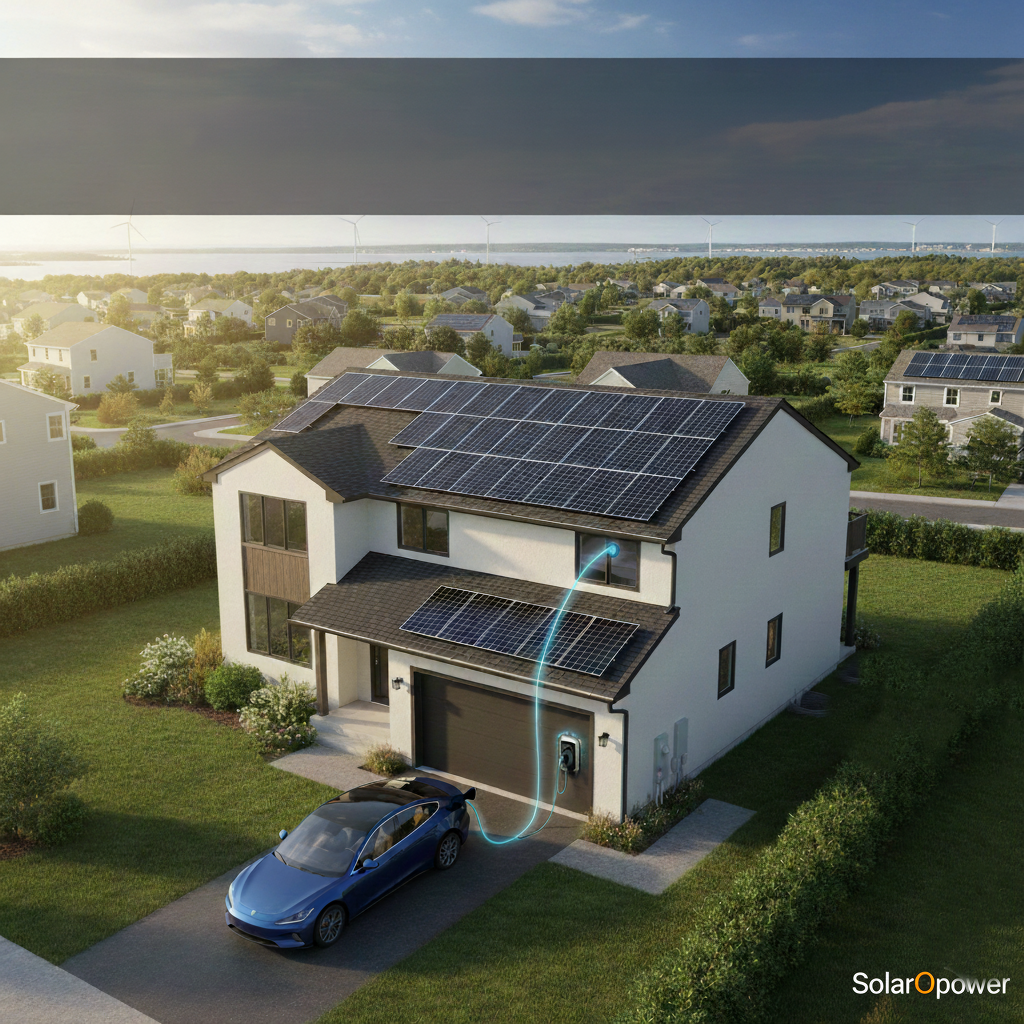
Solar plus EV charging means your electric vehicle is charged using electricity generated by solar panels installed on your roof or property. This setup is often called a solar panel EV charger system, where the panels supply clean power directly to your vehicle. During the day, solar panels convert sunlight into usable electricity. That power is first used by your home or business, and when your EV is plugged in, it can draw energy directly from the solar system.
If your solar panels produce more electricity than your EV or building needs at that moment, the excess power can either flow back into the utility grid through net metering or be stored in a battery system for later use. This is where EV solar charging becomes especially valuable, since no solar energy is wasted.
For Long Island property owners, this approach makes sense because electricity rates are higher than the national average, and solar production can directly offset those costs while keeping EV charging predictable.
Why Solar EV Charging Makes Sense on Long Island
Long Island has several factors that make solar EV charging especially effective. Electricity prices in New York are among the highest in the country, which means every kilowatt-hour produced by solar panels has strong savings value. When that solar power is used to charge an EV through a solar EV charger, drivers avoid paying premium utility rates for transportation energy.
EV ownership is also rising steadily in Nassau and Suffolk counties. Many residents commute long distances, and charging an EV frequently from the grid can significantly increase monthly electric bills. EV solar charging helps stabilize those costs by producing energy locally, right where it is needed.
Net metering programs further improve the economics. When solar systems generate more electricity than is immediately needed, that energy can earn credits on utility bills. Combined with federal solar tax incentives, a solar panel EV charger setup becomes more affordable for both homeowners and small businesses over time.
How Solar Powered EV Charging Works Day to Day
During daylight hours, solar panels generate electricity whenever the sun is available. This electricity is converted by an inverter into a form that your building and solar EV charger can use. If your EV is connected while solar power is being produced, the charger can pull energy directly from the panels instead of the grid.
When solar production drops, such as in the evening, the EV charger can automatically switch to grid power or stored battery energy if a battery system is installed. This flexibility allows solar EV charging to work smoothly without requiring constant user input.
Over time, this process reduces dependence on grid electricity and lowers overall energy spending, especially for drivers who charge during daytime hours when solar output is highest.
The Financial and Practical Benefits
Solar powered EV charging reduces long-term energy costs by replacing purchased electricity with energy you generate yourself. While utility prices can increase year after year, solar energy costs remain stable once the system is installed. A properly sized solar EV system can cover a large share of both home energy use and vehicle charging.
There are also environmental benefits. Charging an EV with solar energy significantly reduces emissions compared to grid-based electricity, which still relies partly on fossil fuels. This is especially important in densely populated regions like Long Island, where local air quality and grid strain are ongoing concerns.
For businesses, installing EV solar charging can also attract customers or tenants who drive electric vehicles. Offering charging powered by solar shows a clear commitment to clean energy and long-term planning, which many customers value.
Choosing the Right Solar EV Charging Setup
Not all solar EV systems are the same. The size of the solar array needs to match both building energy use and EV charging demand. A system designed only for household electricity may not fully support a solar EV charger without upgrades.
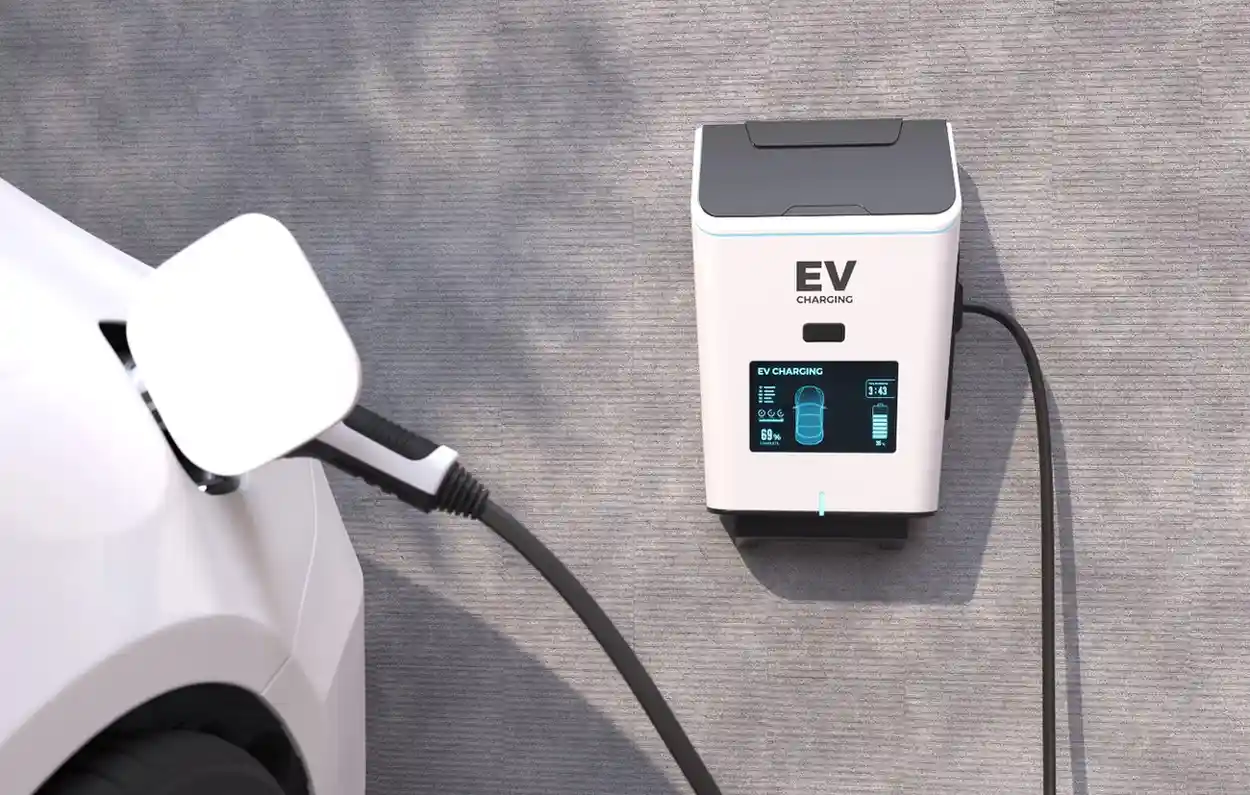
Modern smart chargers help solve this issue by prioritizing solar energy when it is available. These chargers adjust charging speeds based on solar output, allowing vehicles to absorb clean energy efficiently. This makes a solar panel EV charger far more effective than a standard charger alone.
Battery storage can further improve performance by saving excess solar power for nighttime or emergency use. While not required, batteries add flexibility and resilience to an EV solar setup, especially during power outages.
Important Tip for Long Island Property Owners
Installing solar panels without considering EV charging needs can limit savings. Planning solar panels and a solar EV charger together helps ensure the system works efficiently as one complete energy solution.
Solar plus EV charging is helping Long Island move toward a cleaner and more affordable electric future. By producing your own energy and using it to power transportation, you gain more control over costs while supporting a stronger local energy system.
If you are considering solar or EV charging, the best first step is understanding how both can work together on your property.
Get a Free Quote from SolarOpower and see how solar powered EV charging can fit your home or business.
FAQ
What is solar powered EV charging?
It is a setup where electric vehicles are charged using electricity produced by solar panels instead of relying only on grid power.
How much does solar powered EV charging cost?
The cost of solar powered EV charging depends on system size, charger type, and whether battery storage is included. On average, a solar panel EV charger setup can range from $8,000 to $20,000 before incentives, including solar panels and a Level 2 EV charger.
How many solar panels are needed to charge an EV?
Most electric vehicles need 6 to 10 solar panels to cover annual charging needs, depending on driving habits, panel efficiency, and local sunlight levels. A solar installer can calculate the exact number.