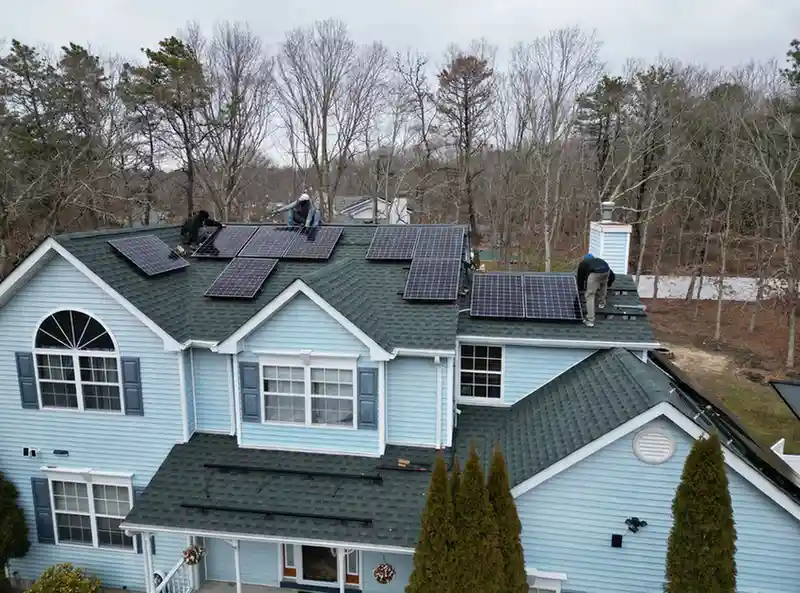
Are you tired of opening your PSEG Long Island bill and wondering why it keeps going up?
You’re not alone. Long Island homeowners pay some of the highest electricity rates in the country. That’s why more families, investors, and sellers are asking the same question:
Why Electricity Costs So Much on Long Island
Most residents are served by PSEG Long Island. According to the U.S. Energy Information Administration (EIA, 2024), the average residential electricity rate in New York is about 23–25 cents per kWh, compared to the national average of around 16 cents per kWh.
That difference adds up quickly.
If your home uses 1,000 kWh per month, you could be paying $230–$250 monthly just for electricity.
Because rates are higher here, installing a home solar system often delivers stronger savings than in lower-cost states.
How a Solar Power System Cuts Your Bill
A solar power system works in a simple way:
- Solar panels on your roof collect sunlight.
- They turn sunlight into usable electricity.
- That electricity powers your home.
- Extra power goes back to the grid through net metering.
What Is Net Metering?
New York allows homeowners to receive bill credits for excess electricity sent back to the grid. This program is supported by NYSERDA (New York State Energy Research and Development Authority).
This means your solar panels for home can help offset nighttime or winter electricity use.
What Real Savings Look Like
Here’s a simple example based on typical Long Island usage:
| Item | Average Long Island Home |
| Monthly electric bill | $200–$300 |
| Annual electric cost | $2,400–$3,600 |
| Estimated annual solar savings | $1,800–$3,000 |
| 25-year potential savings | $45,000–$75,000 |
Your actual savings depend on:
- Roof size and angle
- Shade from trees
- Energy usage
- Panel efficiency
- System size
Choosing the best solar panels with higher efficiency can produce more electricity in less space.
Federal and New York Solar Incentives (2026 Update)
Solar savings increase because of available incentives.
1. Federal Solar Tax Credit (30%)
The Inflation Reduction Act (2022) extended the federal solar tax credit at 30% of system cost through 2032.
Source: U.S. Department of Energy, 2024
If your solar installation costs $25,000, you could receive $7,500 in federal tax credits.
2. New York State Incentives
New York offers:
- NY-Sun rebates
- Sales tax exemption on solar equipment
- Property tax exemption for added home value
These programs lower upfront cost and improve return on investment.
How Long Does It Take to Break Even?
Most Long Island homeowners reach payback in 6 to 9 years.
Since most solar panels come with 25-year performance warranties, that means 15+ years of low-cost electricity after break-even.
And remember — utility rates often rise over time. That increases long-term savings.
A Smart Move for Real Estate Investors & Sellers
If you’re buying or selling property on Long Island, a home solar system can increase home value.
According to a 2019 study by Lawrence Berkeley National Laboratory, homes with solar panels sold for about 4% more on average compared to similar homes without solar.
For a $600,000 home, that could mean about $24,000 in added value.
Buyers also like:
- Lower monthly expenses
- Energy independence
- Reduced carbon footprint
What Size Home Solar System Do You Need?
Most Long Island homes need:
- 6 kW to 10 kW solar power system
- Around 15–25 solar panels
However, the right size depends on:
- Your yearly kWh usage
- Roof direction (south-facing is ideal)
- Shade
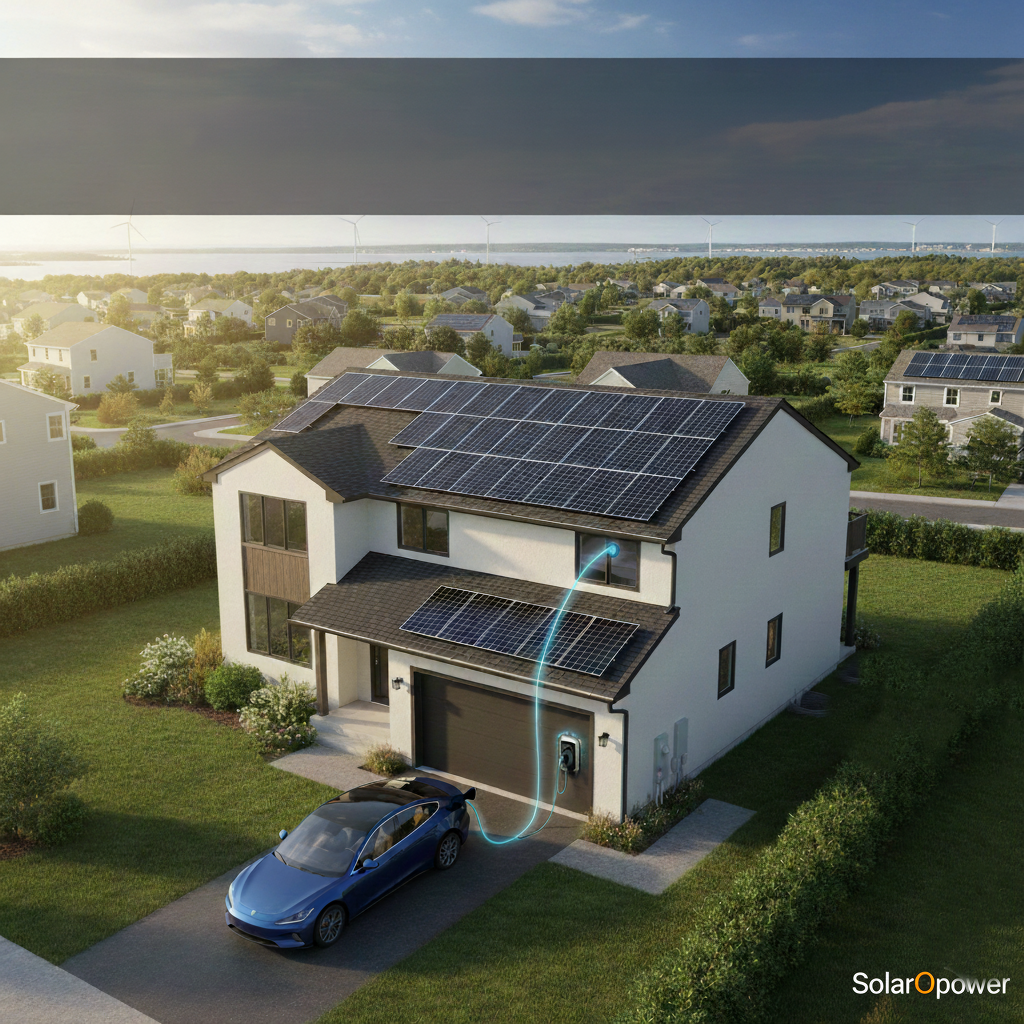
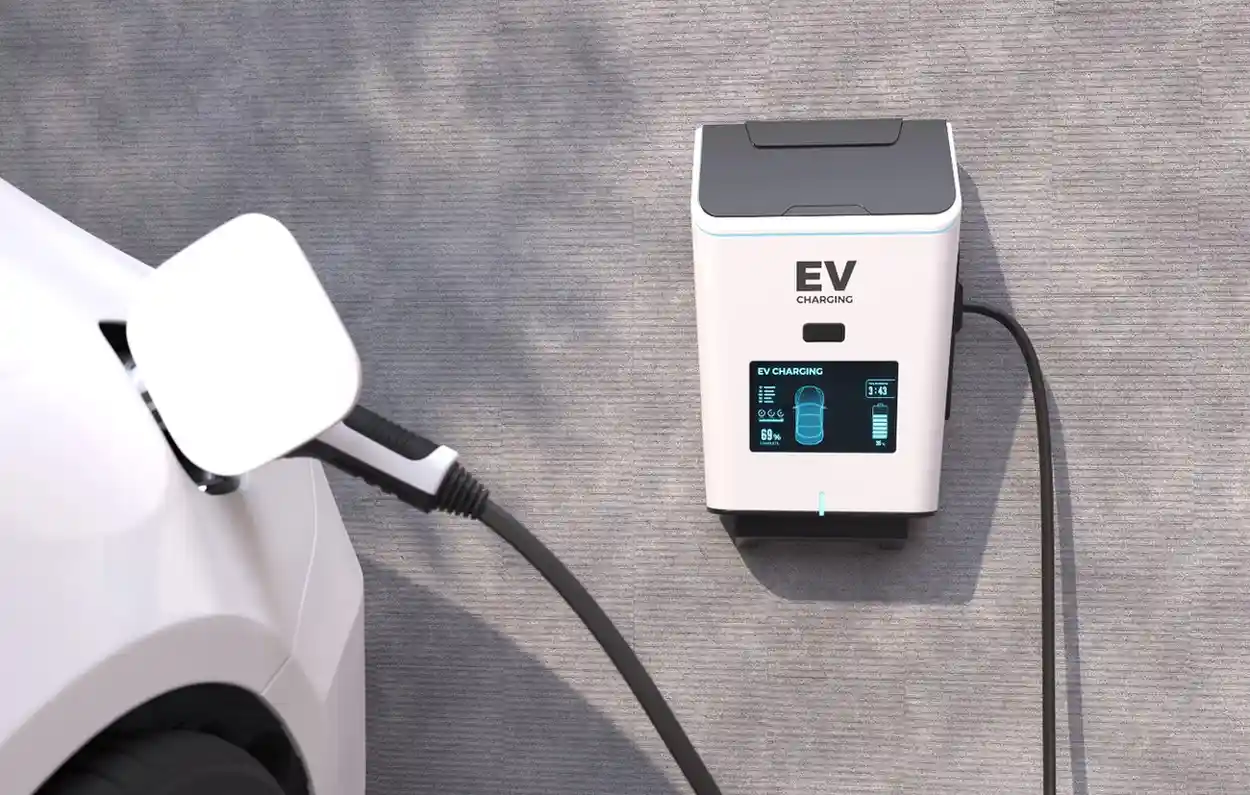
- Future energy plans (EV charging, electric heating)
Important Tip Before Solar Installation
Don’t size your system only for today’s electricity use.
If you plan to buy an electric car or upgrade appliances, your usage may increase. It’s better to plan your solar installation for future needs.
Is Solar Worth It for Budget-Focused Households?
Yes — especially on Long Island.
Instead of paying rising utility bills for 25 years, you invest in your own energy production.
Many homeowners finance their solar panels for home so their monthly payment is close to or lower than their old electric bill.
That means:
- More predictable costs
- Protection from rate hikes
- Long-term savings
Is Solar Good for Eco-Conscious Residents?
According to the U.S. Environmental Protection Agency (EPA, 2024), electricity generated from fossil fuels contributes to greenhouse gas emissions. Solar electricity produces power without direct emissions.
A typical residential solar power system can offset several tons of carbon emissions over its lifetime.
For many Long Island families, that environmental benefit matters just as much as savings.
Final Thoughts: Is Solar Electricity Worth It on Long Island?
With high electricity rates, strong state incentives, and federal tax credits, solar electricity makes strong financial sense for many Long Island homeowners.
FAQS
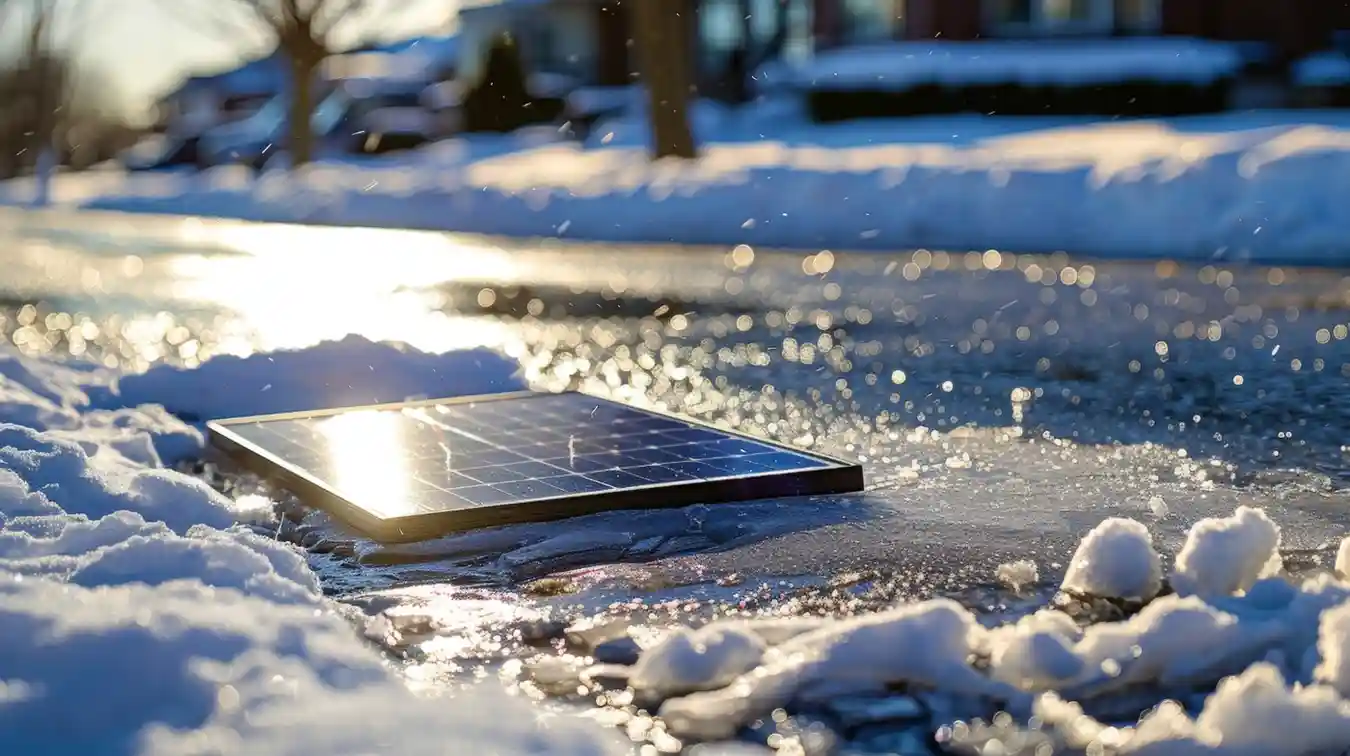
Do solar panels work during winter in New York?
Yes. Solar panels work in cold temperatures. Snow may temporarily reduce output, but winter sun still produces electricity.
Does a home solar system require maintenance?
Very little. Occasional cleaning and system monitoring are usually enough.
Can solar eliminate my electric bill completely?
It can reduce it by 50–90%. Most homeowners still pay a small connection fee to PSEG Long Island.