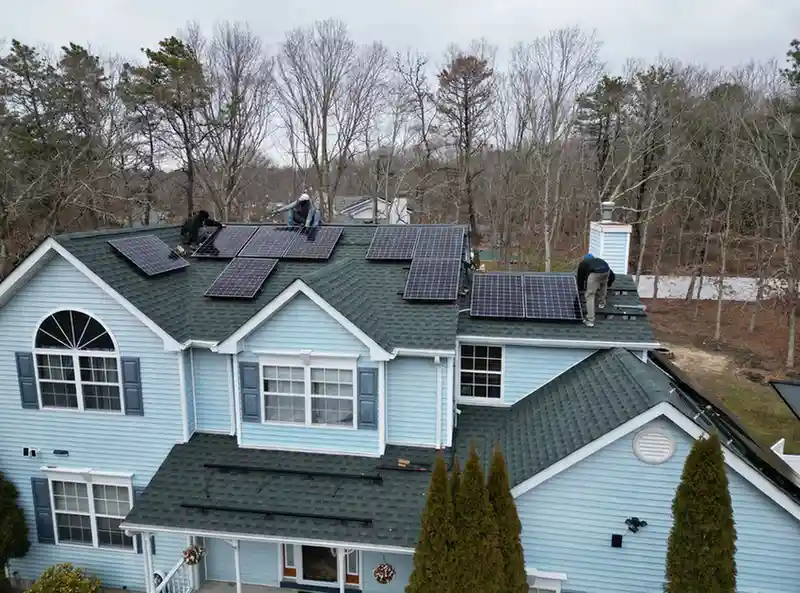
How many years can you really count on solar panels?
So, how long do solar panels last? Most panels run strong for 25 to 30 years, and many keep producing power well past that. They don’t stop working suddenly – instead, they lose a small amount of output each year, so a panel installed today will still generate strong power decades from now, especially with proper care.
Why Solar Panel Lifespan Matters Before You Install
A solar system is a long-term investment, so knowing how long it actually lasts helps you plan your savings, your warranty expectations, and your budget.
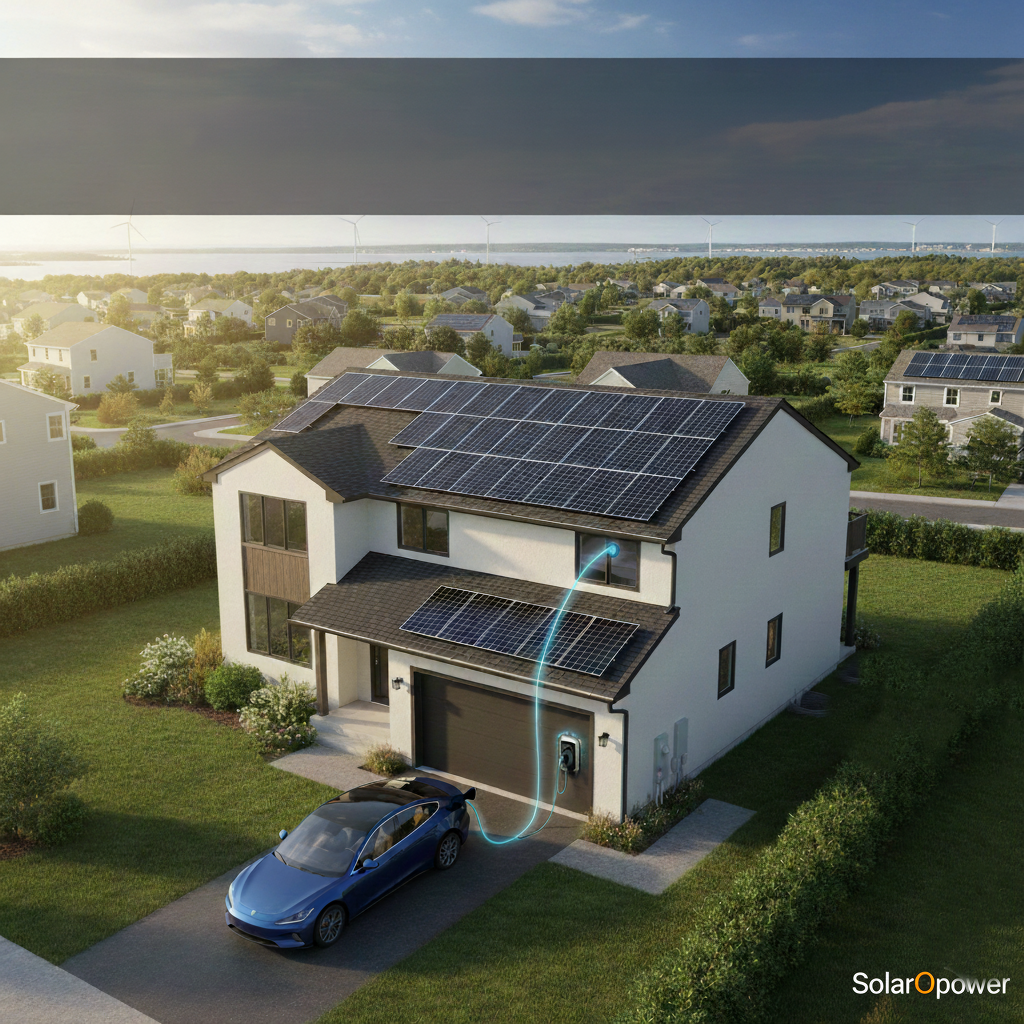
At SolarOpower, we’ve installed solar systems for Long Island homes and businesses for more than five years, and lifespan is one of the first questions almost every homeowner asks us. This guide breaks down real numbers, what affects panel life, and what Long Island weather specifically does to your system.
How Long Do Solar Panels Actually Last?
The 25 to 30 Year Standard
Most manufacturers back solar panels with a 25-year performance warranty, and many panels keep producing usable power for 30 to 40 years with regular upkeep.
This number comes from something called the degradation rate, the small yearly drop in how much power a panel produces.
What Is Solar Panel Degradation?
Every solar panel loses a tiny bit of efficiency each year. This is normal and expected, not a sign of a faulty system.
According to a 2024 study by the National Renewable Energy Laboratory (NREL), covering thousands of solar systems across the U.S., panels show a median degradation rate of about 0.75% per year That means:
- Year 1: Panels perform at close to 100% of rated output
- Year 10: Panels still perform around 92 to 95%
- Year 25: Panels typically perform around 81 to 88%
Premium panels from top manufacturers degrade even slower, sometimes as low as 0.3 to 0.5% per year.
What Affects How Long Your Solar Panels Last
1. Panel Quality and Manufacturer
Tier-1 panels from established manufacturers degrade slower and come with stronger warranties than budget, unbranded panels.
2. Installation Quality
A poorly mounted or wired system wears down faster and performs less efficiently from day one. This is one of the biggest mistakes Long Island homeowners make when choosing a solar installer.
3. Local Weather and Climate
Long Island sees hot, humid summers, cold winters, coastal winds, and salt air near the shoreline. All of these affect panel wear over time.
- Heat: Panels lose small amounts of efficiency in extreme heat, though modern panels handle this well.
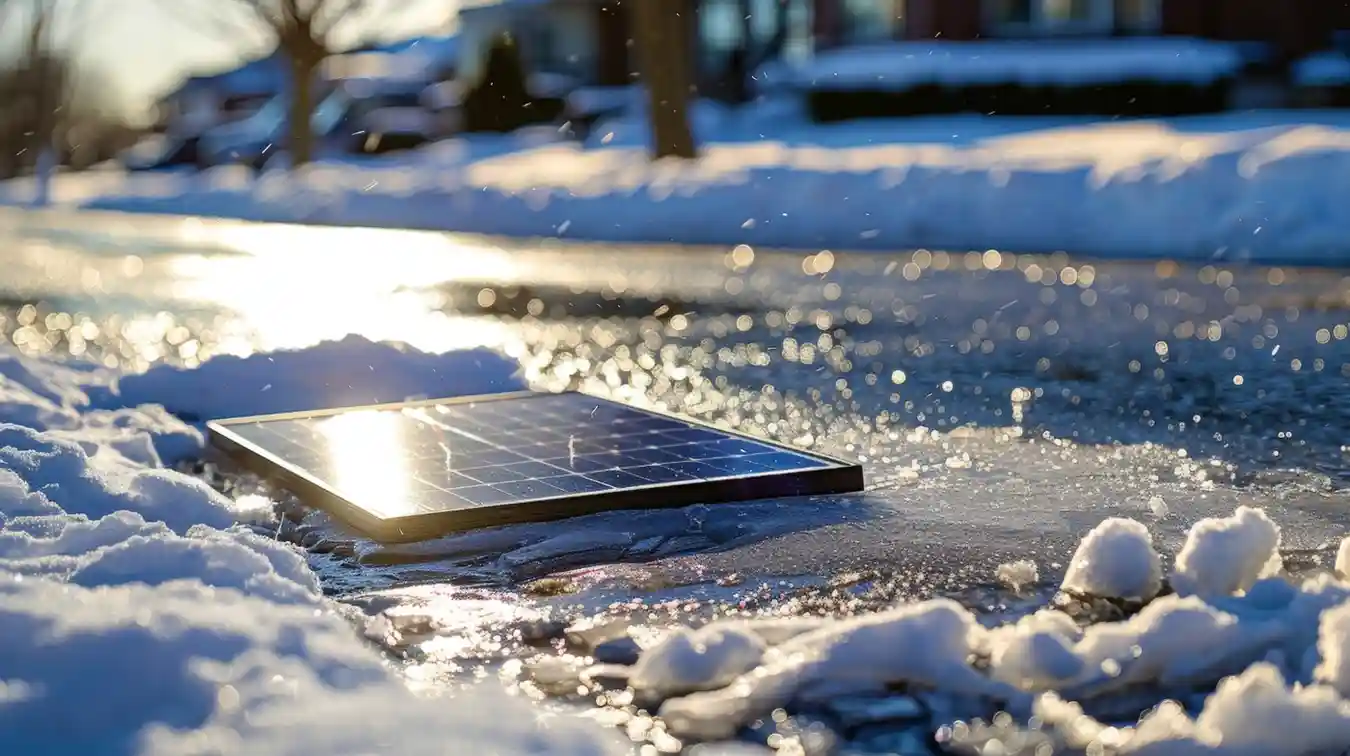
- Snow and rain: Panels are built to shed snow and handle rain safely. In fact, rain even helps clean dust off your panels.
- Salt air: Coastal properties benefit from corrosion-resistant mounting hardware, which SolarOpower uses on Long Island installations.
4. Maintenance and Cleaning
Regular maintenance plays a real role in how long do solar panels last.
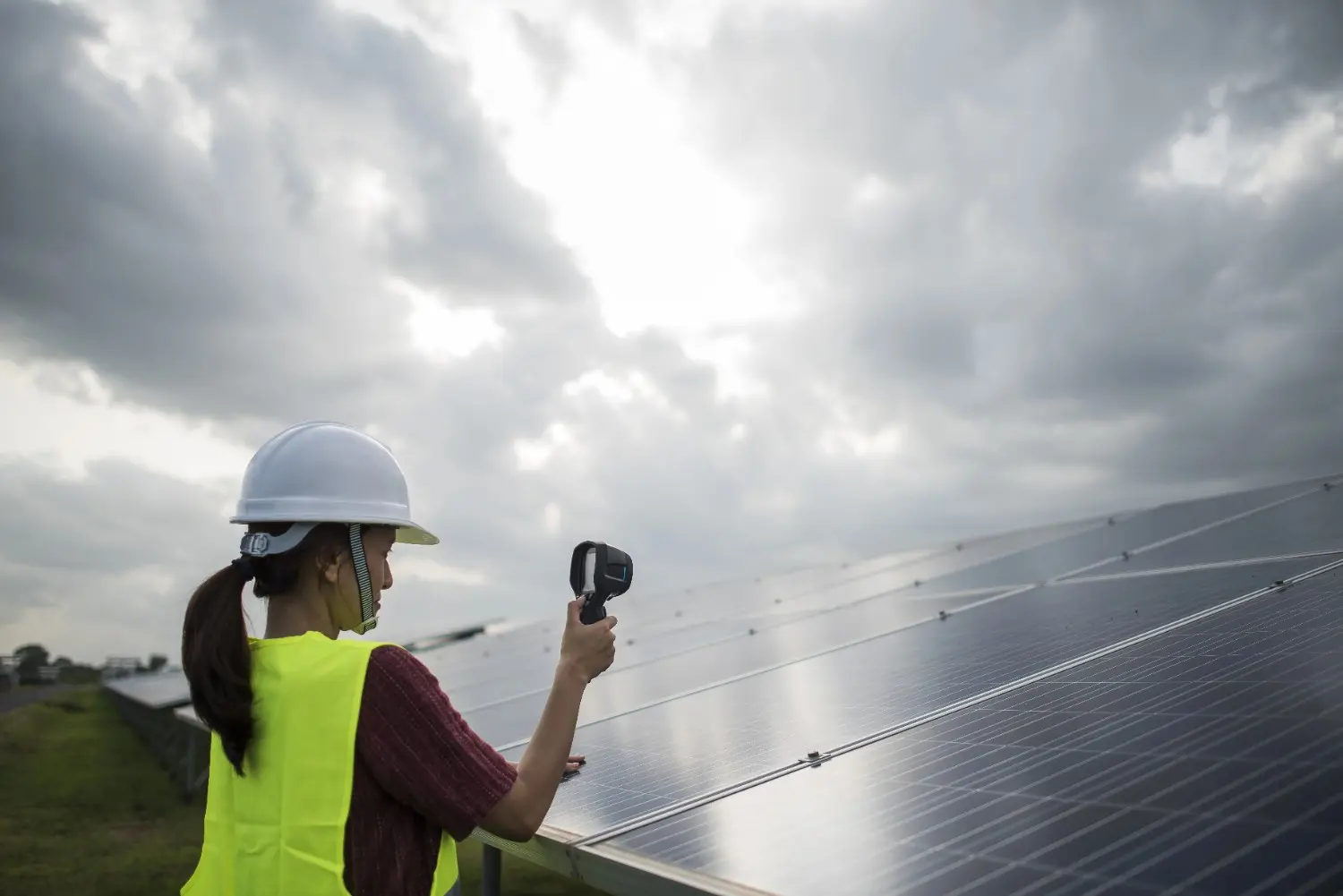
Dust, pollen, and debris buildup can lower output. A simple annual check keeps panels performing at their best.
5. Roof and Mounting Conditions
A well-installed mounting system also affects how long do solar panels last.
A well-installed mounting system protects panels from wind stress and water damage, both common concerns for Long Island roofs.
Common Mistake to Avoid: Skipping regular system checkups. Many homeowners assume solar panels are “set it and forget it.” A quick annual inspection catches small issues, like a loose connection or shaded panel, before they affect your energy output.
Solar Panel Lifespan vs. Other System Parts
Panels aren’t the only factor in how long do solar panels last – other components wear out sooner.
Panels aren’t the only part of your solar system. Other components wear out sooner and need replacement before the panels do.
Here’s how long do solar panels last compared to other system parts:
Component | Typical Lifespan | Notes |
Solar Panels | 25–30+ years | Slow, steady degradation |
String Inverter | 10–15 years | Usually needs one replacement |
Microinverters | 20–25 years | Longer lasting, higher upfront cost |
Battery Storage | 10–15 years | Depends on usage and cycles |
Mounting Hardware | 25–30+ years | Longer with corrosion-resistant materials |
If you’re weighing battery storage alongside your panels, keep this lifespan gap in mind when planning long-term costs.
How to Make Your Solar Panels Last Longer
- Choose certified installers. Proper wiring and mounting reduce long-term wear.
- Schedule annual inspections. Catch small issues early.
- Keep panels clean. Rinse off dust, pollen, and debris a few times a year.
- Trim nearby trees. Reduce shading and falling debris.
- Monitor performance. Use system monitoring to spot output drops early.
- Choose quality equipment from the start. Tier-1 panels and a 25-year warranty protect your investment.
SolarOpower installations include a 25-year panel warranty and ongoing performance monitoring, so Long Island homeowners get support well beyond installation day.
1. Do solar panels stop working after 25 years?
How long do solar panels last in Long Island weather specifically?
Does solar panel lifespan affect my savings?
What shortens a solar panel's lifespan the most?
Do inverters last as long as solar panels?
Is it worth replacing panels before 25 years?
How do I know if my solar panels are still performing well?
Final Thoughts
A well-installed solar system is built to last decades, not years. Panel quality, installation standards, and regular care all decide how close you get to that full 25 to 30 year lifespan, or beyond it.
If you’re in Long Island and thinking about going solar, or want a second opinion on your current system’s performance, SolarOpower’s team can walk you through what to expect for your specific home and roof.
Get a Free Quote and find out how long a solar system built for your home could last, and how much it could save you.