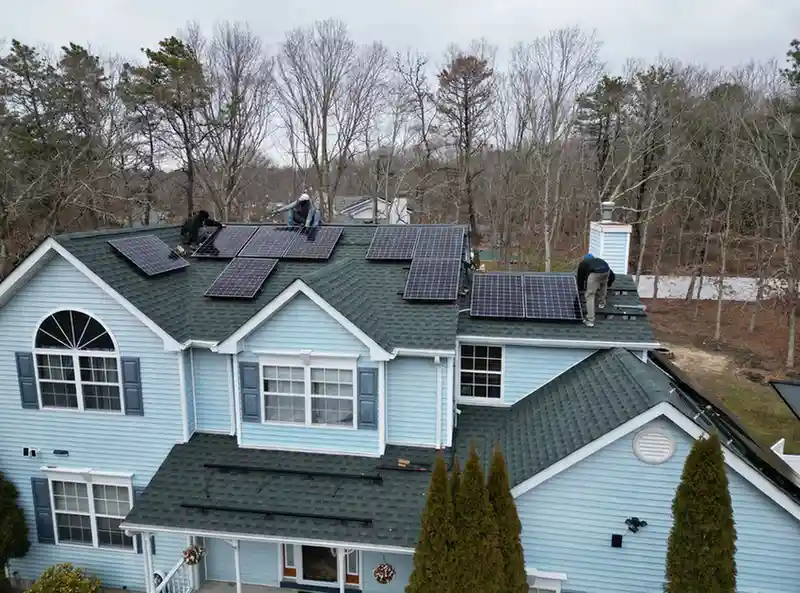
Salt air solar panels Southampton homeowners install need to handle more than typical weather. Living near the water is part of what makes Southampton special, but it’s also something worth thinking about before you install solar panels.
This isn’t a reason to skip solar. It’s a reason to make sure your system is built for where you actually live. Here’s what salt air does to solar equipment, and what to ask for when you’re getting quotes in Southampton.
WHY SALT AIR IS HARDER ON SOLAR EQUIPMENT
For salt air solar panels Southampton homeowners are considering, salt in the air isn’t just dust
This shows up most at connection points, specifically anywhere a solar panel’s aluminum frame touches steel mounting hardware. When two different metals touch in the presence of salt moisture, it triggers something called galvanic corrosion, where the more vulnerable metal corrodes faster than it normally would. In coastal areas, this kind of corrosion can start showing up on unprotected hardware within just a few years.
Salt Air Solar Panels Southampton: What to Look for in Coastal-Ready Equipment
Not all solar equipment is built the same way, and for a Southampton home, that difference matters more than it would further inland.
Panel frames. Look for anodized aluminum or marine-grade aluminum alloy frames, which resist salt-driven corrosion far better than standard untreated aluminum.
Mounting hardware. Marine-grade stainless steel, often referred to as Type 316 stainless, is the standard for coastal installations. It holds up against salt exposure much longer than standard galvanized hardware.
Junction boxes and connectors. These should carry a high IP rating, IP65 or above, meaning they’re sealed against water and dust intrusion. Salt moisture that gets into a junction box can cause corrosion on electrical contacts, not just the outside frame.
Protective coatings. Some manufacturers apply marine-grade coatings to exposed metal parts as an added layer of protection beyond the base material itself.
None of this makes a system dramatically more expensive, but it does mean your installer should be specifying the right materials from the start, not adding them as an afterthought.
HOW PLACEMENT AND MAINTENANCE HELP TOO
Equipment quality matters, but so does how your system is installed and cared for.
Panel angle. Installing panels with enough tilt lets rain naturally rinse off salt buildup, instead of letting it pool and sit on the surface.
Wind exposure. Where possible, positioning panels away from the most direct, constant ocean breeze reduces how much salt spray actually reaches the equipment.
Routine rinsing. Panels near the coast benefit from an occasional rinse with fresh water, especially after dry stretches where salt residue has had time to build up without rain washing it away.
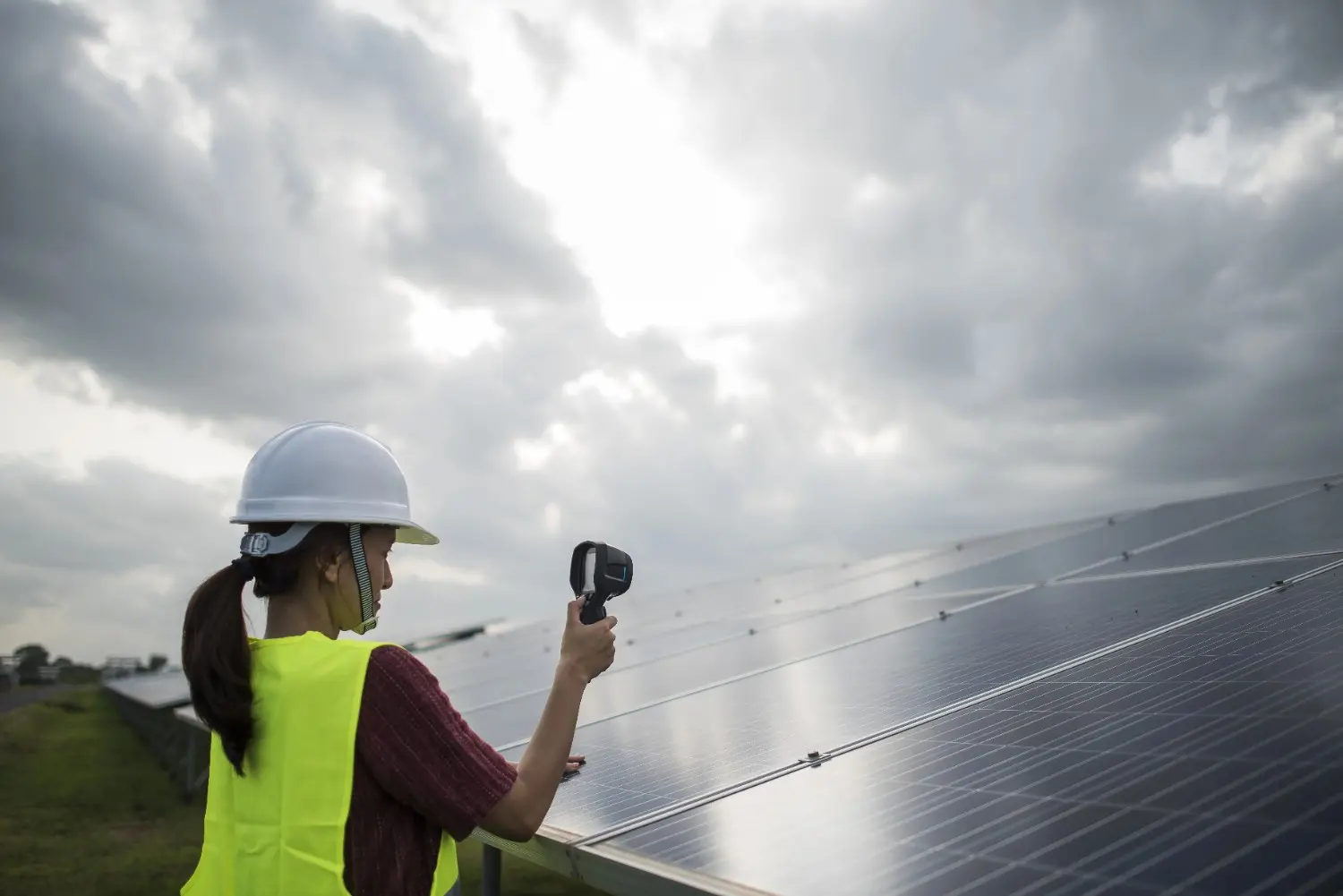
Regular inspection. Because corrosion often starts small, at a bracket or connector, catching it early during a routine check is far easier and cheaper than dealing with a failed connection years later.
DOES THIS MEAN SOLAR ISN’T RIGHT FOR SOUTHAMPTON
No. Salt air solar panels Southampton and coastal areas everywhere are common and successful including plenty of homes right here on Long Island. The key is making sure your system is designed for where it’s going, not treated the same as a system going up 50 miles inland.
A properly specified coastal system, with the right frame material, mounting hardware, and sealed connections, is built to handle salt air for the long run. The mistake to avoid is assuming standard equipment will perform the same way near the water as it does anywhere else.
FREQUENTLY ASKED QUESTIONS
Does salt air actually damage solar panels?
What is galvanic corrosion?
What should I ask my installer about for a Southampton home?
Do I need to clean my panels more often near the ocean?
Is it more expensive to install solar near the coast?
BUILT FOR SOUTHAMPTON, NOT JUST INSTALLED IN IT
Equipment quality matters for salt air solar panels Southampton homeowners choose, but so does how your system is installed and cared for.. Get a free quote and find out exactly what your system would look like, built to actually last where you live.