Wondering about the best time to install solar panels Long Island, or if timing really matters when you make the switch?
Quick Answer:
Late fall through early spring (October to March) is often the best time to install solar panels Long Island. Installers have shorter wait times, permitting moves faster, and your system is ready to capture full sunlight by the time summer arrives.
This guide breaks down how timing affects your installation, and what to consider before scheduling your project.
Why Timing Matters for Solar Installation
Solar panels work in every season, so timing your installation isn’t about performance. It’s about scheduling, permitting speed, and how soon you start seeing savings.
Install too late in spring, and you might miss the peak summer sun months. Install during the off-season, and you often get a faster start with fewer delays.
The Best Months to Install Solar Long Island
Fall (October to November)
Fall is one of the quieter seasons for solar installers, which means shorter wait times for both the site assessment and the actual installation.
Installing in fall also gives your system time to go through permitting and utility approval before winter, so you’re ready to generate power once spring sunlight increases.
Winter (December to February)
Winter might seem like an odd choice, but it’s often the least busy time for solar companies. That can mean faster scheduling and more attention from your installer.
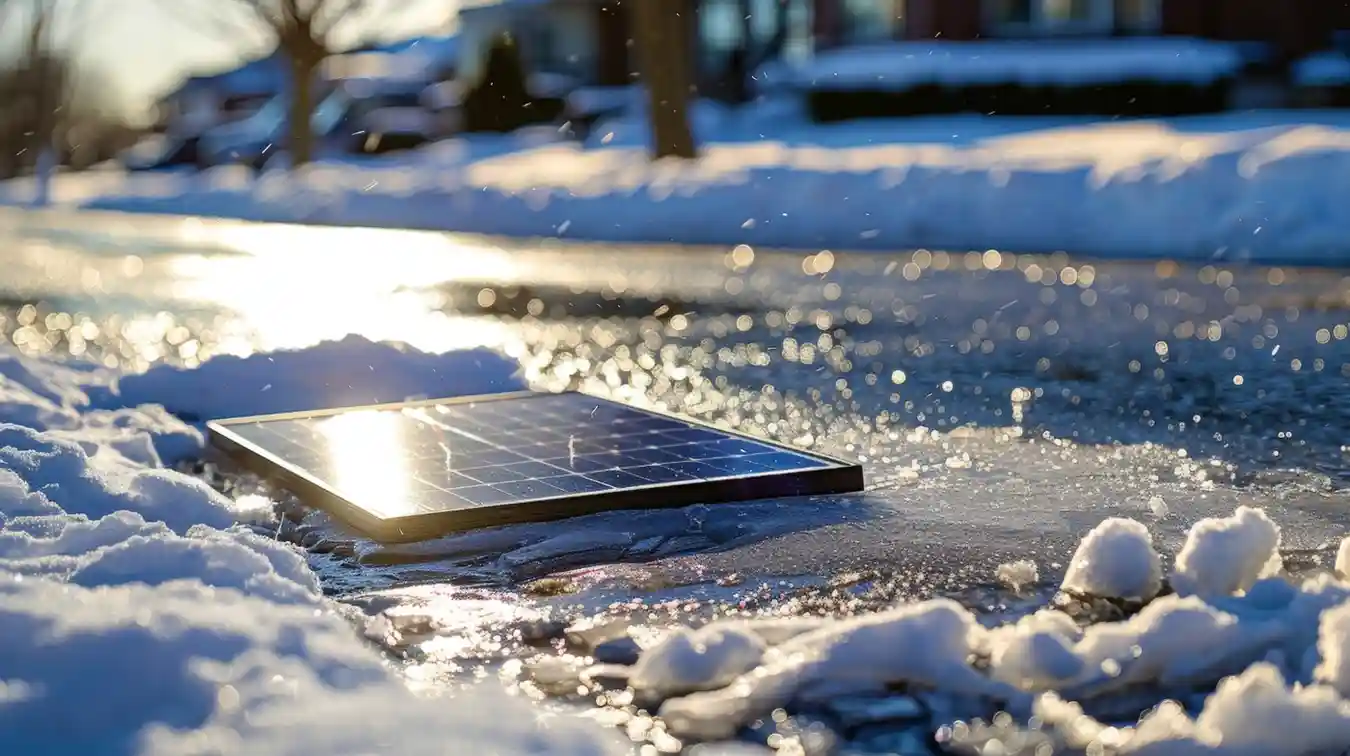
Cold weather doesn’t hurt solar panels. In fact, panels can run slightly more efficiently in cooler temperatures, as long as they’re not covered by heavy snow.
Early Spring (March)
Installing in early spring puts your system in place just before Long Island’s sunniest months. This timing works well if you want your panels ready to capture maximum summer sun.
💡 Tip to avoid a common mistake: Waiting until June or July to start the process often means your system won’t be fully installed and approved until late summer or fall, missing months of peak sun. Starting the process in late winter avoids this delay.
Why Summer Installation Often Means Longer Waits
Summer is the busiest season for solar companies on Long Island. More homeowners request quotes, which means:
- Longer wait times for site assessments
- Delayed installation scheduling
- Slower permitting due to higher volume at local town offices
If you start the process in summer, your actual installation might not happen until fall, pushing your first full season of savings back by nearly a year.
How Long Does the Solar Installation Process Take?
From your first consultation to a fully operational system, the process typically includes:
Understanding your project timeline is essential when planning the best time to install solar panels Long Island. From your first consultation to a fully operational system, the process typically includes.
- Site assessment and proposal (1-2 weeks)
- Permitting and paperwork (2-6 weeks, depending on your town)
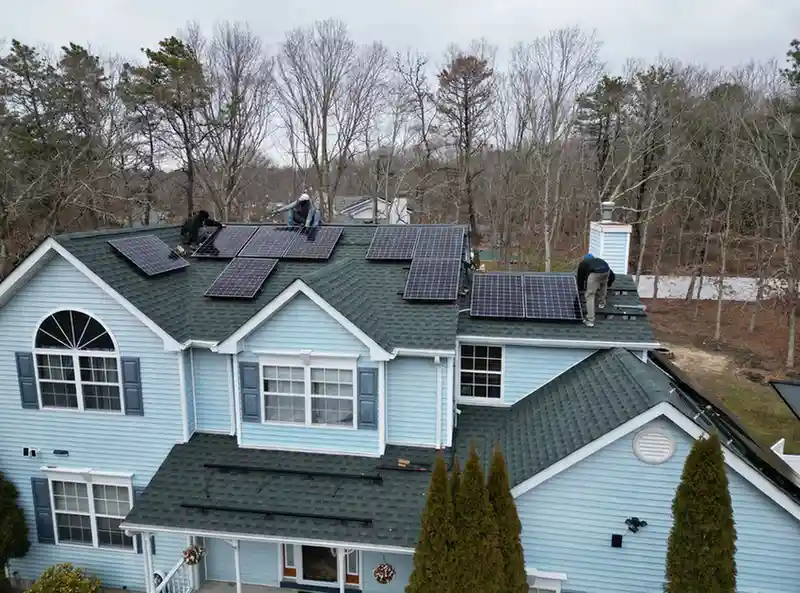
- Installation day (1-2 days for most residential systems)
- Utility inspection and approval (2-4 weeks)
Total time from signing a contract to full system activation is often 8-12 weeks, which is why starting in fall or winter helps you avoid summer bottlenecks.
Does Roof Condition Affect the Best Time to Install?
Yes. If your roof needs repair or replacement, it’s best to handle that before scheduling your solar installation, regardless of season.
Cooler months are often a good time to schedule a roof inspection alongside your solar consultation, since roofing contractors also tend to have more availability outside of peak summer demand.
Frequently Asked Questions
Is it bad to install solar panels in winter?
Will snow stop my solar panels from producing electricity?
Should I wait until spring to install solar panels?
What's the busiest season for solar installers?
How far in advance should I schedule a solar installation?
Does the time of year affect how much I save?
Ready to Start Your Solar Installation?
Ready to find the best time to install solar panels Long Island for your home? Contact SolarOPower today for a personalized assessment.
If you’re considering solar, starting the process in fall or winter can help you avoid summer delays and have your system ready for peak sun season. Contact SolarOPower for a free consultation and find out what timeline works best for your home.