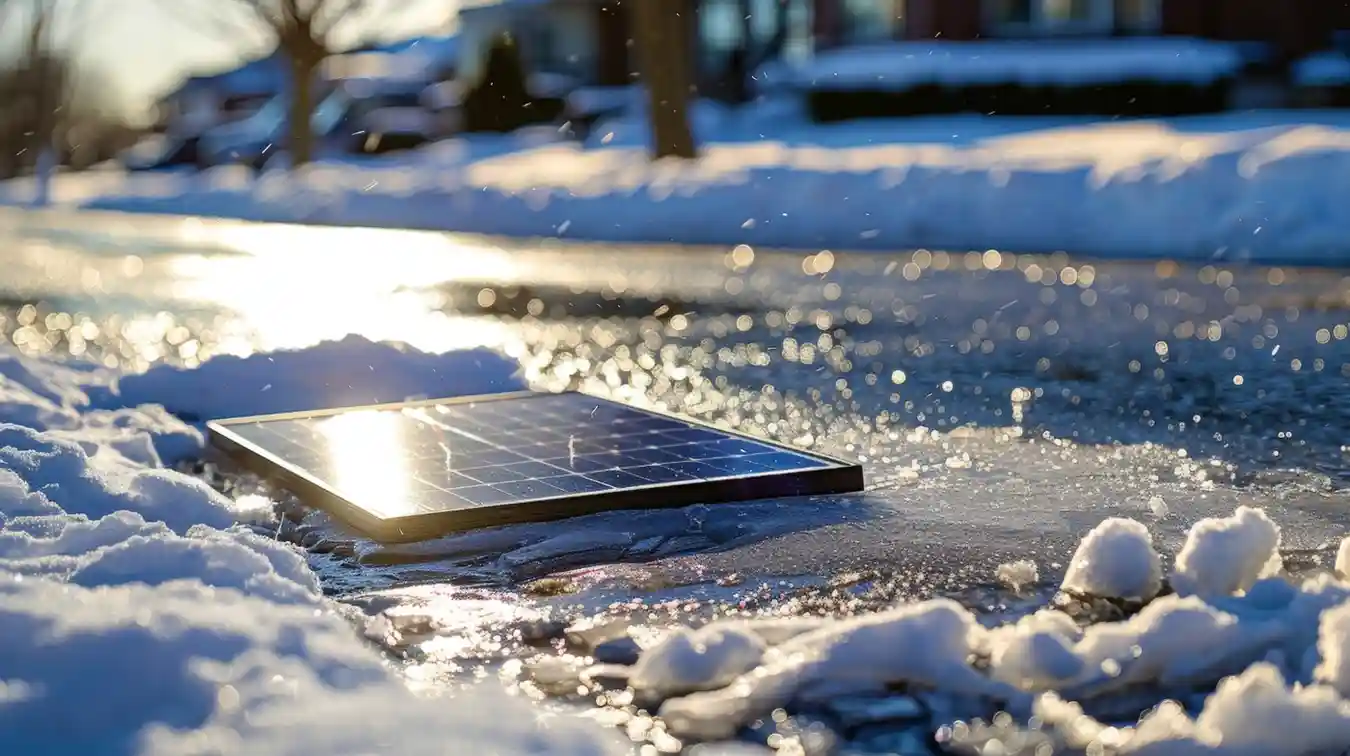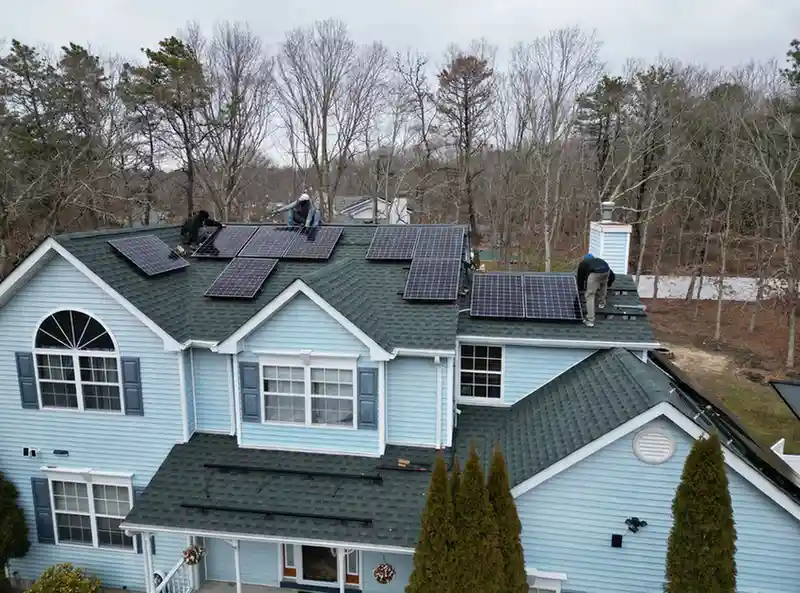
When the power goes out, many homeowners with solar panels assume their homes will continue running on solar energy. However, how solar works during a blackout depends entirely on the type of solar system you have installed.
A standard grid-tied solar system usually shuts down when the utility grid fails. This built-in safety feature prevents electricity from backfeeding into power lines while utility crews work on repairs. If your system includes battery backup, a hybrid inverter, or dedicated islanding equipment, you can continue using solar energy during an outage.
Quick Summary: Blackout Solar Protection
- Standard Grid-Tied Systems: Automatically shut down during an outage due to mandatory anti-islanding safety protocols.
- Solar Panels Under Sunlight: Continue generating DC electricity, but grid-tied inverters cannot route it into your home without an isolated microgrid.
- Solar-Plus-Storage: Disconnects your home from the utility grid using an automatic transfer switch, supplying stored power and recharging batteries during daylight hours.
- Essential vs. Whole-Home Backup: Battery capacity dictates whether you power baseline critical circuits (refrigerator, lights, Wi-Fi) or high-draw appliances (HVAC, pumps).
What Happens to Solar Panels During a Blackout?
Solar panels continue absorbing sunlight and generating direct current (DC) electricity during a power outage. The real issue is where that generated power can safely go.
In a standard grid-connected solar installation, the inverter immediately detects the loss of utility voltage and shuts down. Even under bright, direct sunlight, your home receives no power from the rooftop array.
This mandatory shutdown is known as anti-islanding protection. If your system continued pushing power back into local distribution lines during an outage, it would energize downed wires and present a lethal electrocution risk to utility line workers.
Can Solar Panels Work Without the Grid?
Yes, but not as a standalone grid-tied system.
To use solar power during a blackout, your system requires specialized hardware to safely disconnect your home from the grid and establish an independent, stable microgrid.
Essential components for off-grid and blackout operation include:
- Lithium solar battery storage (e.g., Tesla Powerwall, Enphase IQ Battery)
- Backup-capable hybrid inverters
- Automatic Transfer Switches (ATS) / Microgrid Interconnection Devices (MID)
- Dedicated critical loads subpanels
Once isolated from the utility network, your system can safely route solar generation to your backup circuits or throughout the entire house.
How Solar Works During a Blackout With Battery Backup
Adding energy storage fundamentally alters how your system behaves during a grid failure:
[ OUTAGE DETECTED ] ──► Automatic Transfer Switch isolates home from utility grid
│
┌──────────────────────┴──────────────────────┐
▼ ▼
[ DAYTIME OPERATION ] [ NIGHTTIME OPERATION ]
- Panels generate DC electricity • Panels go idle (no sun)
- Hybrid inverter powers home circuits • Battery discharges stored energy
- Excess generation recharges battery • Powers critical loads until morning
- Daytime Operation: Solar panels power running household appliances first. Any excess electricity produced beyond immediate consumption is routed to recharge the battery bank.
- Nighttime Operation: When the sun sets, the battery seamlessly discharges stored power to keep essential loads running until sunlight returns the following morning.
Do Solar Panels Work at Night During a Blackout?
No. Solar panels require direct or ambient daylight to generate electricity.
However, if your system includes a charged battery bank, your home continues receiving uninterrupted backup power through the night. The battery provides steady power until its programmed reserve limit is reached.
Can You Run Your Whole House on Solar During a Blackout?
Running your entire home depends directly on the continuous power output of your inverter and the kilowatt-hour (kWh) capacity of your battery storage.
- Essential Loads Backup (Standard Setup): Powers baseline necessities including refrigerators, LED lighting, Wi-Fi routers, home security systems, and phone charging outlets.
- Whole-Home Backup (High-Capacity Setup): Requires multiple stacked battery units and high-output hybrid inverters to start and run high-draw 240V appliances like central air conditioning, well pumps, electric water heaters, and EV chargers.
What Happens to a Grid-Tied Solar System During an Outage?
The operational cycle for a grid-tied system without storage follows a strict safety sequence:
- Normal Grid Conditions: Solar electricity powers home loads, with excess kilowatt-hours exported to the utility grid through net metering.
- Grid Disruption: The utility grid loses power; the inverter senses abnormal grid voltage/frequency and shuts down within milliseconds.
- Outage Duration: The system stays completely offline, even under optimal midday sun.
- Grid Restoration: Once utility power stabilizes for a mandatory testing window (usually five minutes), the inverter re-synchronizes and resumes normal generation.
How Does a Hybrid Solar System Work During a Blackout?
A hybrid system integrates the solar array, battery storage, and grid connection through a central hybrid inverter.
During an outage, the hybrid inverter acts as an intelligent traffic controller:
- It disconnects the home from the main electrical service entrance.
- It forms an independent AC electrical frequency for your household circuits.
- It routes incoming solar DC electricity to both current household demand and battery charging simultaneously.
Solar Panels vs. Solar Battery During a Blackout
Component | Main Function During a Blackout | Works Without Grid? |
Solar Panels | Generates raw DC electricity from available daylight | Yes, but requires an active inverter signal |
Grid-Tied Inverter | Converts DC to AC electricity; synchronizes to grid wave | No (shuts down automatically) |
Hybrid Inverter | Manages power conversion, battery charging, and grid isolation | Yes (enters islanded/backup mode) |
Battery Storage | Stores excess daytime solar and discharges power on demand | Yes |
Transfer Switch (MID) | Physically disconnects the property from utility power lines | Yes (switches automatically) |
What Appliances Can You Run on Solar Battery Backup?
Prioritizing your essential electrical loads helps stretch your battery runtime during extended multi-day outages:
- Critical Baseline Appliances:
- Refrigerator / Freezer (keeps food safe)
- Internet router, modems, and computers
- LED lighting circuits
- CPAP machines and essential medical devices
- Security systems and smart locks
- High-Draw Equipment (Requires Large Battery Banks):
- Central AC / Heat pumps
- Electric clothes dryers
- Electric water heaters
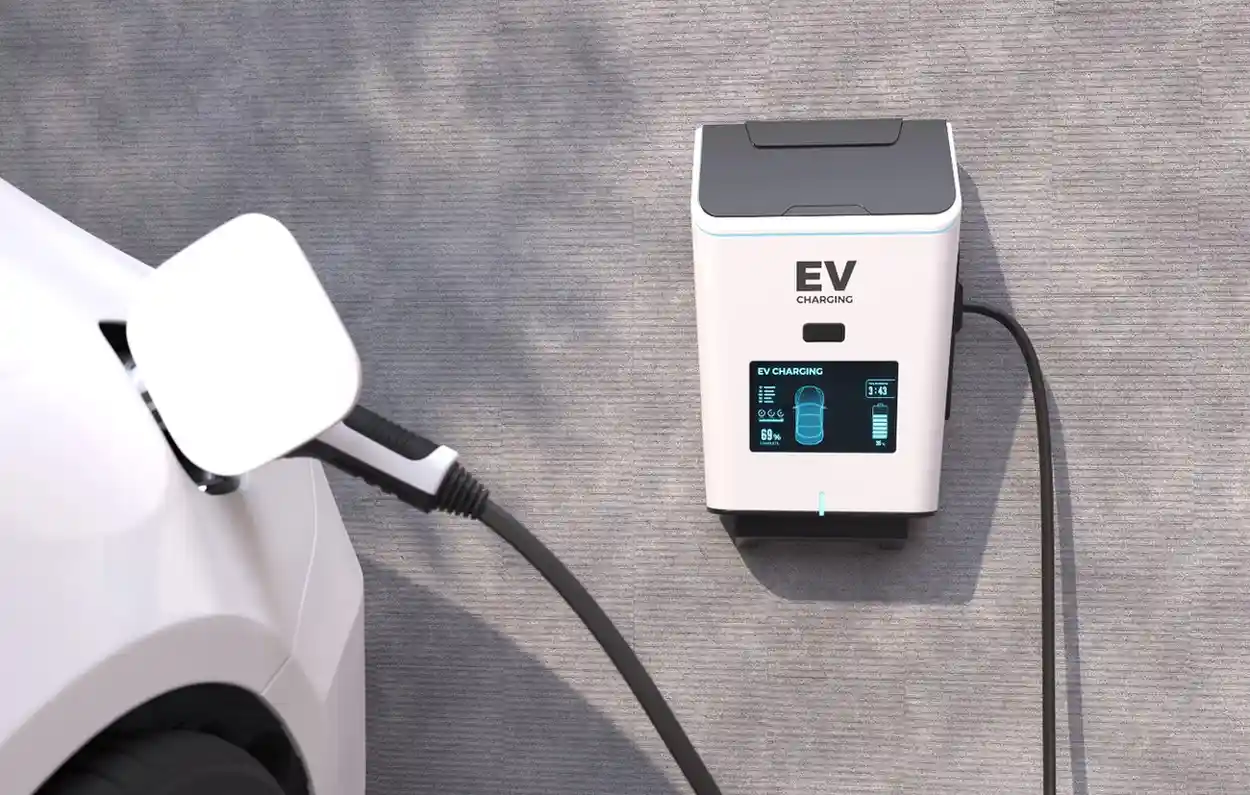
- Level 2 EV charging stations
Can You Add a Battery to an Existing Solar System?
Yes. If you already have solar panels installed without storage, a licensed solar professional can retrofit batteries using two common architectures:
- AC-Coupled Storage: Adds an independent battery with its own internal inverter alongside your existing solar inverter. This works with almost any existing solar brand (including Enphase microinverters and SolarEdge string systems).
- DC-Coupled Storage: Replaces your existing string inverter with a specialized hybrid inverter wired directly to high-voltage DC batteries.
Frequently Asked Questions
Does solar work when the power goes out?
Do solar panels work during a blackout?
Can solar charge a battery during an extended outage?
How long will a solar battery run during a blackout?
Protect Your Home Against Grid Outages
system delivers true blackout independence.
Ready to make your home resilient against power outages? Request a Custom Solar & Battery Backup Assessment with SolarO Power to find the right storage capacity for your energy needs.