Quick Answer: Solar battery storage cost in Long Island runs $10,000–$18,000 installed for most homes in 2026, with the New York state average at about $14,926 for a 13 kWh system before incentives – roughly $1,000-$1,200 per kilowatt-hour installed. A single Tesla Powerwall 3 (13.5 kWh) typically lands at $12,000-$16,500 installed, while smaller Enphase and Franklin systems start near $6,500-$9,500. Your exact price depends on capacity, brand, backup coverage and installation complexity – this guide breaks down every number and every factor.
Battery pricing is the number one question Long Island homeowners ask after solar panels – and the one most installers dodge. This guide gives real 2026 numbers for the solar battery storage cost in Long Island: state cost benchmarks, per-brand pricing for the four systems we install, the factors that move your quote up or down, and the honest math on whether solar battery storage installation in Long Island is worth it for your family. Every figure below reflects published 2026 market data and what we actually see on local quotes.
Solar Battery Storage Cost in Long Island (2026)
The cleanest benchmark comes from the EnergySage 2026 New York storage cost index, which puts the average installed price of a 13 kWh system at about $14,926 before incentives, with similar figures across downstate counties. Long Island quotes typically land in a slightly wider band because home size, backup coverage and electrical conditions vary more than upstate. Use the table below to place any solar battery storage cost in Long Island quote you receive.
Solar battery storage cost in Long Island by system size (2026)
System size | Typical installed band | Best for |
~5 kWh (single Enphase IQ Battery 5P) | $6,500–$9,500 | Essential loads: fridge, lights, WiFi, phones |
System size | Typical installed band | Best for |
~10 kWh (Franklin aPower or 2× IQ 5P) | $10,000–$15,000 | Overnight coverage plus storm-season backup |
13.5 kWh (Tesla Powerwall 3) | $12,000–$16,500 | Whole-home backup for most single-family houses |
~27 kWh (2× Powerwall 3) | $22,000–$30,000 | Multi-day outages, EV charging, large homes |
NY state benchmark (13 kWh) | about $14,926 | The yardstick to judge any quote against |
Typical installed prices before incentives. NY state median per EnergySage marketplace data, 2026. Your final quote depends on backup loads, electrical work and battery placement.
Two notes on reading the table. First, every band is turnkey – the battery, backup gateway or hybrid inverter, electrical labor, town permit and PSEG Long Island interconnection are all inside those numbers. Second, memorize the benchmark row: the average solar battery storage cost in New York lands near $14,926 for a 13 kWh system installed, and any solar battery storage cost in Long Island quote you are holding should be judged against it. Quotes far below that band usually mean smaller usable capacity or skipped electrical work; quotes far above it need a line-item justification.
Solar Battery Storage Cost by Brand (2026)
Brand choice matters less than size – but it still moves the solar battery storage cost in Long Island by a few thousand dollars, mostly through inverter hardware and how modular the system is. These are the brands we install most on Long Island:
Solar battery storage cost by brand on Long Island (2026)
Battery (usable capacity) | Typical installed band | Best for |
Tesla Powerwall 3 (13.5 kWh) | $12,000–$16,500 | Whole-home backup; built-in solar inverter; best value per kWh |
Enphase IQ Battery 5P (5 kWh, modular) | $6,500–$9,500 each | Essential-loads backup; smallest footprint; stack two or three for more |
Franklin aPower (10 kWh, modular) | $10,000–$15,000 with aGate | Whole-home starting power; LFP chemistry; expandable later |
SunPower SunVault | Quoted per project | Brand-matched installs on SunPower systems; priced after the site check |
SunVault is quoted per project because it usually ships as part of a matched SunPower solar
system. If you already have panels and just want backup, Powerwall 3 or an Enphase stack is usually the cleaner path – the final solar battery storage cost in Long Island comes down to size first, brand second, and your walls third.
What Changes Your Solar Battery Storage Cost?
Two homes with the same battery can see very different invoices. Six variables decide almost all of the solar battery storage cost in Long Island:
Usable capacity – the biggest driver. Each extra ~5 kWh of storage adds roughly $3,000–$5,000 installed, which is why the jump from 10 kWh to 27 kWh nearly triples the price.
Whole-home vs essential-loads backup – backing up the whole panel needs heavier switchgear and often two batteries; backing up the fridge, lights, internet and a few outlets needs one small unit.
Electrical work – main panel upgrades, subpanels and long conduit runs add anywhere from $500 to $3,000+.
Placement – a garage wall is the cheap install; outdoor pads, weather enclosures and tight utility closets cost more.
Retrofit vs new build – adding a battery to existing solar uses AC-coupled hardware; bundling battery with a new solar array can share labor and interconnection costs.
Permits and utility –every Nassau and Suffolk town sets its own permit fees, and PSEG Long Island interconnection has its own timeline; we handle both for you.
New York Programs That Can Lower Your Price
Incentive programs in New York change often, and eligibility rules are stricter than most ads suggest – funding windows open and close, and not every brand qualifies. Two places real savings can come from: PSEG Long Island net metering rules, which credit the solar power your battery stores and exports, and New York State storage programs, which open and close by funding round. Where a program does apply, it can take thousands off the solar battery storage cost in Long Island for a qualifying project.
Our team verifies every program currently accepting applications before you commit, so the quote you sign reflects real numbers, not expired credits. Two questions to ask at any consultation: how PSEG Long Island net metering credits a solar-paired battery, and whether any current New York State storage incentive applies to your project at signing. Bring both to our free assessment and we will answer them with current program documents, not sales talk.
Is Solar Battery Storage Worth the Cost on Long Island?
Long Island is one of the most outage-prone parts of New York – nor’easters, tropical storm remnants and an aging grid take whole neighborhoods dark for hours or days. A battery keeps the fridge cold, the sump pump running (the difference between a wet basement and a dry one), the internet up and the heating and cooling controls alive.
Beyond storm nights, a battery paired with panels shifts your home toward solar self-consumption
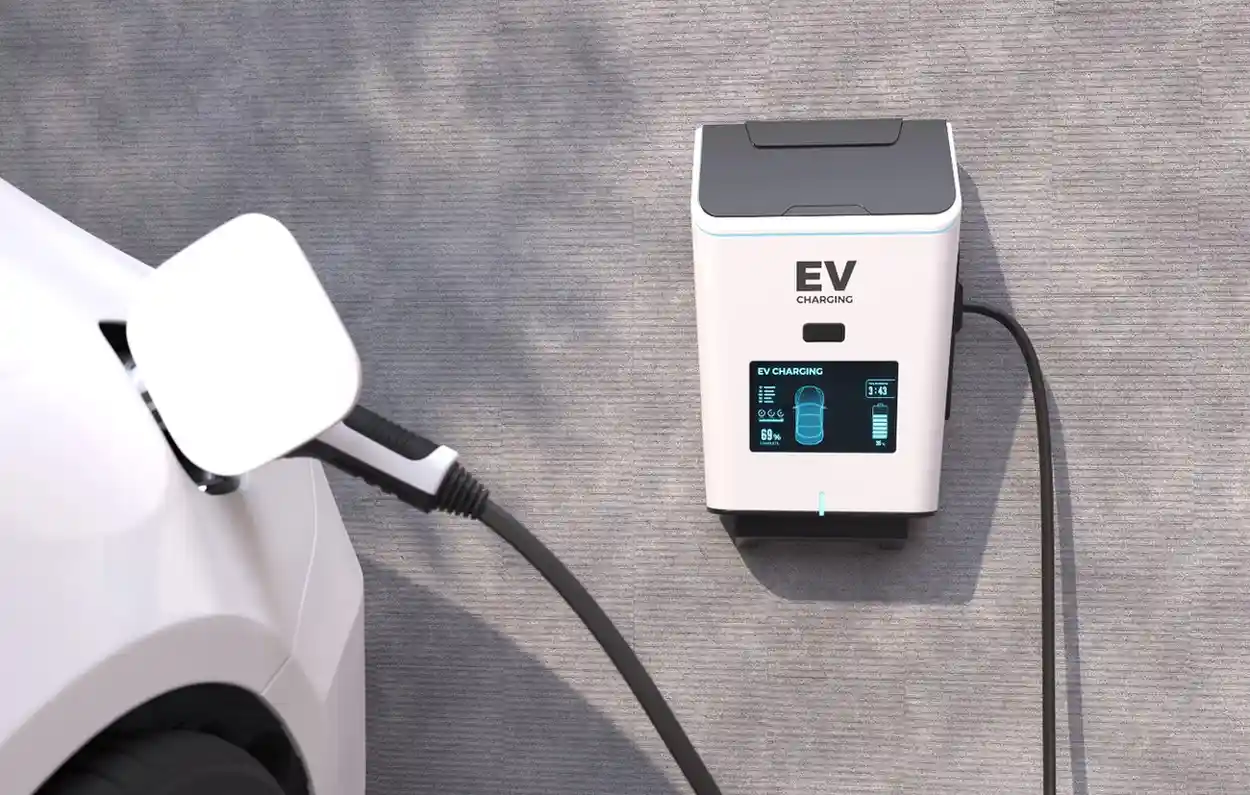
storing midday surplus and using it in the evening – and opens the door to solar-powered EV charging later. If you want the technical side of how panels and batteries behave in an outage, we walk through it in plain English during your free assessment.
The honest framing: if outages rarely bother you and your bill is already low, the solar battery storage cost in Long Island may not pay back fast – and we will tell you so. If outages, sump pumps or EV plans are in your future, the math works far more often than most homeowners expect.
How to Get an Accurate Battery Quote (3 Steps)
Follow these three steps and the solar battery storage cost in Long Island you finally sign will be a number you can defend:
Free site assessment – a real load calculation (what actually needs power), a main panel check and placement options. Thirty minutes on site, no guesswork.
Itemized written quote – equipment, labor, permit and paperwork shown as separate lines. Compare the total solar battery storage cost in Long Island against the $10,000-$18,000 band and the $14,926 state benchmark above.
Watch for lowball numbers – quotes well under band often assume smaller usable capacity or skip needed electrical work. Ask for the usable-kWh math behind any number under $10,000.