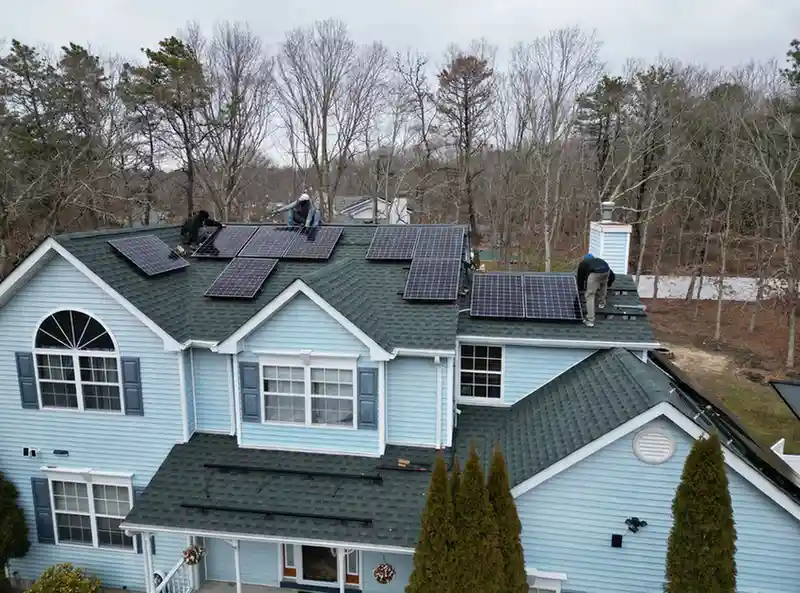
If you already have solar panels installed but don’t have battery storage, you may be wondering how to add battery to existing solar system setups on Long Island. The answer is yes, in most cases
Quick Answer: You can add a battery to an existing solar system on Long Island without replacing your panels. Your installer will evaluate your inverter, electrical panel, and system capacity first, then typically recommend an AC-coupled retrofit, which lets your battery operate alongside your existing solar equipment. Long Island homeowners may also qualify for NYSERDA and PSEG Long Island storage incentives, even on a retrofit.
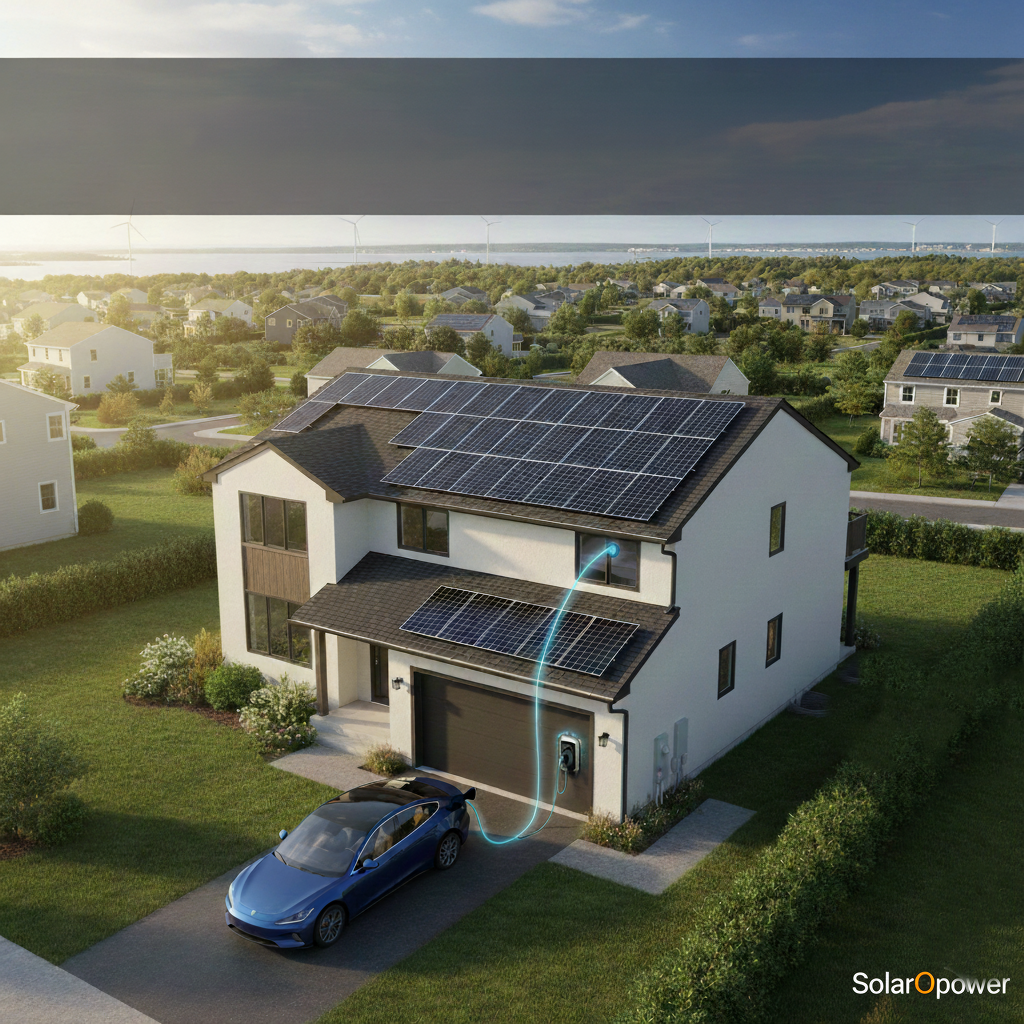
Homeowners can retrofit battery storage onto an existing solar installation to store excess solar energy, provide backup power during outages, and gain more control over when they use the electricity their panels produce. For Long Island homeowners specifically, this can be useful because storage works alongside an existing system and may qualify for local energy-storage incentives, depending on current program requirements.
Can You Add a Battery to an Existing Solar System?
Yes – you can often add a battery without replacing the entire solar installation. However, your existing system needs to be evaluated first. Your installer will typically check your inverter, electrical panel, solar system capacity, battery compatibility, available space, and local permitting requirements.
One common approach is an AC-coupled system. In this configuration, your existing solar system continues operating while a separate battery inverter manages the battery. The exact design depends on the equipment already installed at your home.
Why Add a Battery to an Existing Solar System?
Solar panels generate electricity primarily during daylight hours, but your household may use the most electricity in the evening, when panels produce little or no energy. A battery lets you store daytime solar production and use it later.
1. Use More of Your Solar Energy
Without storage, excess solar production is typically exported to the grid under your utility arrangement. With a battery, that excess electricity can instead be stored for later use, helping you make greater use of the power your own panels generate. NYSERDA notes that pairing solar with energy storage allows homeowners to store electricity produced by their panels for future use.
2. Backup Power During Outages
A standard grid-connected solar system generally doesn’t keep supplying your home during a grid outage unless it has the right backup equipment and configuration. A properly designed solar-plus-storage system can keep selected circuits running when the grid goes down — things like refrigerators, lighting, heating or cooling equipment, internet equipment, and select kitchen appliances. NYSERDA notes that home energy storage can provide backup power during outages, though a battery may not power the entire home.
3. Better Energy Management
A battery gives you another way to manage when electricity is consumed, rather than relying on solar power only while panels are actively producing. This is especially useful for households with higher evening electricity use.
How to Add Battery to Existing Solar System Setups
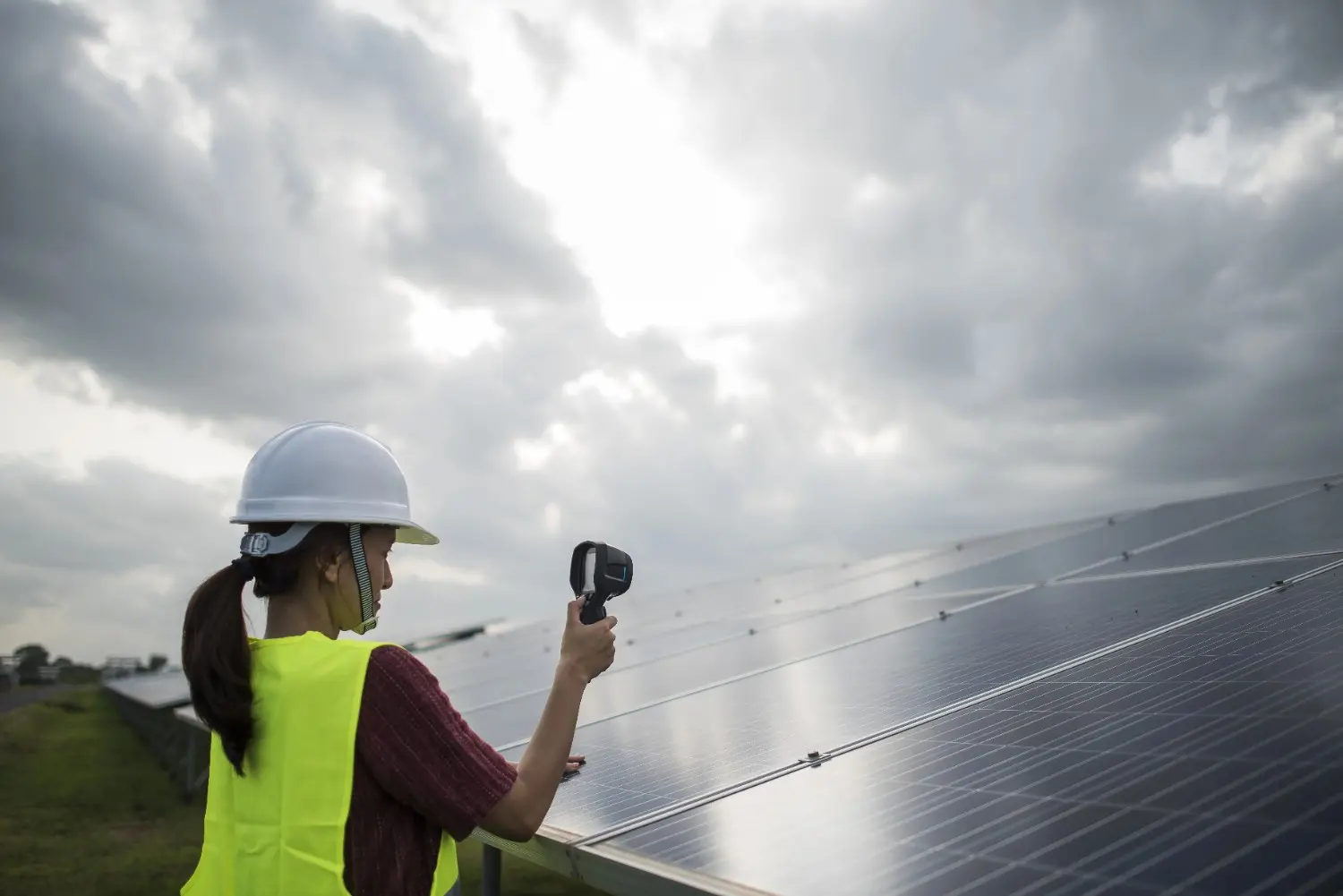
A professional installer typically evaluates:
- Your existing solar panels and inverter
- Electrical panel and current system capacity
- Battery compatibility
- Backup-load requirements
- Available installation space
- Utility and permitting requirements
After this review, the installer determines whether an AC-coupled, DC-coupled, or other compatible configuration fits your home. For most retrofits, AC coupling is the more common approach, since the battery connects on the AC side of the system without requiring the existing solar array to be replaced. NYSERDA research has documented AC-coupling as a standard approach for adding storage to existing photovoltaic systems.
Do You Need to Replace Your Existing Solar Panels?
Usually, no. Adding a battery doesn’t automatically mean replacing your solar panels – they typically continue generating electricity while the new battery stores energy for later use. That said, every installation is different. Older equipment, inverter compatibility, system size, wiring, and battery specifications all need review before installation, which is why a professional solar assessment matters before you decide how to move forward.
How Many Batteries Do You Need?
This depends on your energy use and what you want the system to accomplish. A homeowner who only wants backup power for essential appliances needs a different battery capacity than one who wants to run most of the household during a prolonged outage. Your installer can review your electricity usage and help identify which circuits you want backed up. NYSERDA recommends working with a contractor to determine which circuits should be backed up and to properly size the solar-plus-storage system for your needs.
Can a Battery Be Added to an Older Solar System?
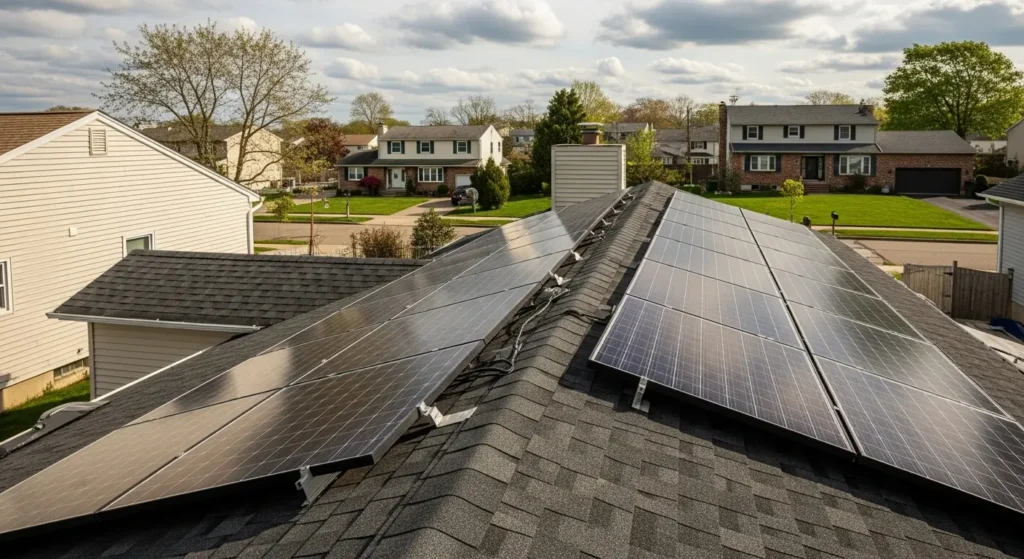
Potentially, yes – but older installations need extra consideration. Before adding a battery, an installer should evaluate the age and condition of your inverter and other electrical equipment. If your existing inverter isn’t compatible with the proposed battery, an equipment upgrade may be necessary. Other factors include your existing system design, inverter type, electrical service, and local or utility code requirements. A professional inspection determines whether your current system is suitable for a battery retrofit.
Long Island Incentives for Battery Storage
NYSERDA: Long Island residents can access an installation incentive for the energy-storage component of a qualifying residential solar-plus-storage project. Importantly, the program allows eligible storage to be added to an existing solar project as a retrofit. NYSERDA states that qualifying residential storage incentives on Long Island are administered through participating contractors, so current requirements should be confirmed before planning an installation.
PSEG Long Island Battery Storage Rewards: According to PSEG Long Island, participating customers can provide power from their battery to their home or the grid during certain events, typically during periods of high demand. Payments are determined by the customer’s aggregator and may depend on battery performance during those events — meaning a battery can potentially do more than provide backup power, if the system and homeowner qualify.
Because incentive amounts, eligibility rules, and program blocks can change, always verify current requirements before making an installation decision.
Existing Solar + Retrofit vs. New Solar + Battery System
| Existing Solar + Battery Retrofit | New Solar + Battery System | |
|---|---|---|
| Solar panels | Keep your current panels | Install new panels |
| Battery | Added separately, evaluated for compatibility | Installed at the same time as solar |
| Inverter | Evaluated; may need upgrade | Designed around the full system from the start |
| Backup circuits | Configured during retrofit | Configured during initial design |
| Permits & incentives | Applied for separately, post-installation | Applied for as part of the original install |
The right approach depends on the age and condition of your existing solar system.
Is Adding a Battery Worth It?
Whether it makes financial sense depends on your situation. Consider:
- How often your area experiences outages
- How much electricity your household uses, and when
- How much excess solar your system produces
- Your desired backup capacity
- Battery installation costs and available incentives
- Your utility program eligibility
- The age of your existing solar equipment
For some homeowners, backup power and energy independence matter most. For others, better energy management or participating in utility programs is the bigger draw.
What to Check Before Adding a Battery
- System compatibility – is your existing inverter compatible with the proposed battery?
- Battery capacity – how much energy do you need during normal operation and outages?
- Backup loads – which appliances and circuits need backup power?
- Electrical capacity – can your existing system accommodate the new equipment?
- Permits – what local permits and approvals are required? (See [Solar Panel Permits and Inspections on Long Island: What to Expect] for the general permit and inspection process this ties into.)
- Utility requirements – are there interconnection or program requirements to file?
- Incentives – do you qualify for current Long Island energy-storage incentives?
NYSERDA recommends using participating contractors for eligible energy-storage incentive projects, since they can inspect the property, determine system size and technology, and handle the required paperwork.
Frequently Asked Questions
Can you add a battery to an existing solar system?
Can I add a battery without replacing my solar panels?
Will my solar panels work during a power outage?
How long can a solar battery power a house?
Can I add a battery to an old solar system?
Are there battery incentives on Long Island?
Add Battery Storage to Your Existing Solar System
Already have solar panels but want backup power and greater control over your energy? The next step is a professional evaluation of your current system.
SolarOPower can assess your existing solar installation and help determine whether you can add a battery to it — whether your goal is backup power, better use of excess solar energy, or participation in available storage programs, the right battery should be sized and designed around your home’s specific energy needs.