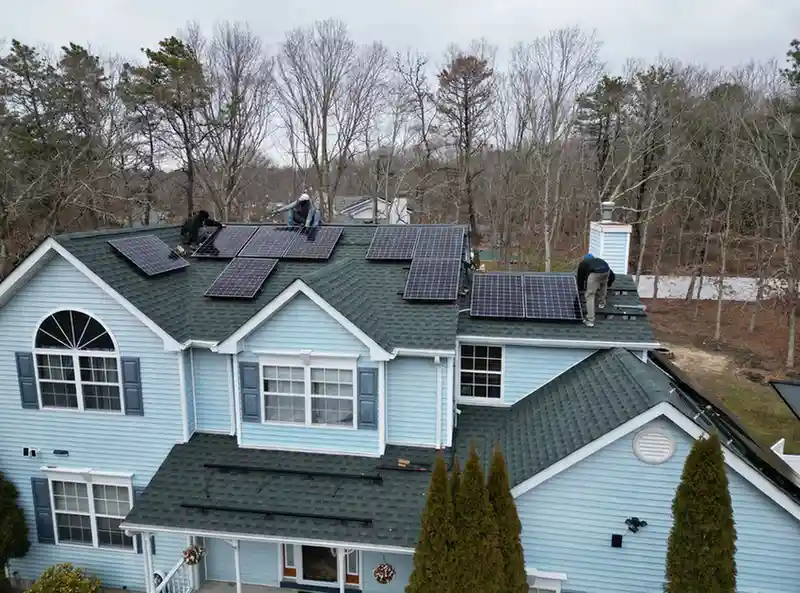
If you’re a Long Island homeowner thinking about switching to solar, one question probably comes to mind: Are solar panels worth it in 2026?
The short answer is yes-for many homeowners, they still make financial sense. While the federal residential solar tax credit ended at the close of 2025, New York continues to offer valuable incentives that help lower installation costs. Combined with Long Island’s high electricity prices, solar remains a practical way to reduce energy bills and gain more control over future utility costs.
For most Long Island households, the math on whether are solar panels worth it in 2026 comes down to your current electric bill and how long you plan to stay in your home.
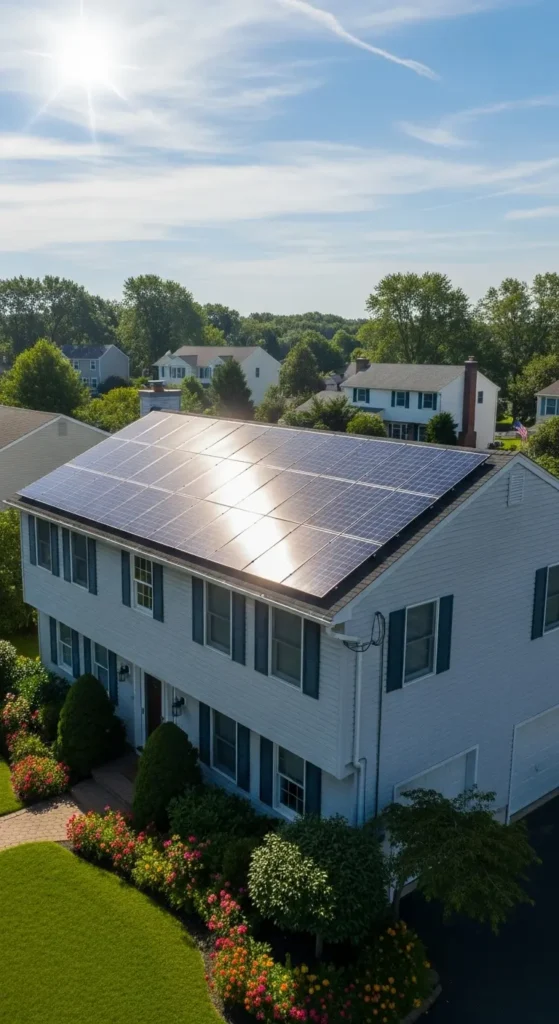
What Changed for Homeowners in 2026?
For several years, homeowners who purchased a solar energy system could claim a 30% federal tax credit. That incentive is no longer available for residential systems installed in 2026.
Although the federal credit has ended, New York homeowners can still benefit from several incentives, including:
- A 25% New York State Solar Energy System Equipment Tax Credit, up to $5,000
- Sales tax exemption on eligible solar equipment
- A 15-year property tax exemption for the added home value from solar
- Net metering or VDER credits for excess electricity sent back to the grid
- NY-Sun rebates, where available and subject to current program eligibility
These programs continue to reduce the overall cost of installing solar panels and improve long-term savings.
Are Solar Panels Worth It Financially?
For many Long Island homeowners, the answer is still yes.
Electricity prices in New York are among the highest in the country. Every kilowatt-hour your solar panels generate is electricity you don’t need to purchase from the utility company. Over time, those savings can add up significantly.
Most homeowners recover their investment in approximately 6 to 9 years. Since modern solar panels commonly carry performance warranties of 25 years or more, the remaining years often provide substantial energy savings.
If you plan to stay in your home for several years, solar can continue lowering your monthly electricity expenses long after the system has paid for itself.
When homeowners ask if are solar panels worth it after the federal credit changes, the answer usually depends on New York’s remaining state-level incentives.
Why Solar Still Makes Sense in 2026
Even without the federal tax credit, several factors continue to make solar an attractive investment.
Lower Monthly Electricity Bills
Generating your own electricity reduces your dependence on the utility company, helping stabilize energy costs as electricity rates continue to rise.
Valuable New York Incentives
State tax credits, tax exemptions, and available incentive programs help offset installation costs and improve overall return on investment.
Increased Home Value
Many buyers view owned solar systems as an attractive feature because they can reduce future energy expenses. This may increase your home’s appeal when it’s time to sell.
Protection During Power Outages
Adding battery storage allows homeowners to keep essential appliances running during outages caused by severe weather, which can be especially valuable on Long Island.
Flexible Financing Options
Whether you purchase your system outright, finance it with a loan, or choose a lease, there are options available for different budgets and financial goals.
How to Decide if Solar Panels Are Worth It for Your Home
Every home is different. Before installing solar, consider these factors:
- Is your roof in good condition?
- Does your roof receive plenty of direct sunlight?
- How much do you spend on electricity each month?
- Does your utility offer net metering or VDER credits?
- Which financing option best fits your budget?
A professional solar assessment can provide a more accurate estimate of your expected savings based on your home’s location, roof, and electricity usage.
Solar Financing Options in 2026
If you’re wondering if solar panels are worth it but don’t want to pay the full cost upfront, there are several financing options to consider. The right choice depends on your budget, long-term goals, and whether you want to own the system.
Financing Option | Tax Credit Eligibility | Monthly Cost | System Ownership |
Cash Purchase | Eligible for New York State tax credit | No monthly payments | You own the system |
Solar Loan | Eligible for New York State tax credit | Fixed monthly loan payment | You own the system |
Solar Lease or PPA | Federal business tax credit claimed by installer | Fixed lease payment or pay for energy used | Installer owns the system |
A cash purchase offers the greatest long-term savings because you own the system from day one. Financing with a solar loan spreads the cost into manageable monthly payments while still allowing you to build home equity.
If minimizing upfront expenses is your priority, a solar lease or Power Purchase Agreement (PPA) may be a better fit. Although the installer owns the equipment, you’ll still benefit from lower electricity costs without making a large initial investment.
Frequently Asked Questions
Are solar panels worth it in 2026?
Is the federal solar tax credit still available?
Does New York still offer solar incentives?
How much can solar reduce my electricity bill?
Will my solar panels work during a power outage?
How long does installation take?
Do solar panels increase home value?
Is buying or leasing solar the better option?
So, are solar panels worth it in 2026?
For many Long Island homeowners, the answer is yes.
Although the federal residential tax credit has ended, New York continues to offer strong incentives that help lower installation costs. Combined with rising electricity prices and decades of potential energy savings, solar remains a smart long-term investment for many households.
Every home is different, so the best way to determine your potential savings is with a personalized assessment. Factors such as roof size, sunlight exposure, electricity usage, and available incentives all influence your return on investment.
If you’re considering solar, SolarOpower can help you explore your options with a free, no-obligation quote. Our team designs customized residential solar systems for Long Island homeowners and provides honest guidance to help you make the right decision for your home.
Final Thoughts: Are Solar Panels Worth It in 2026?
For many homeowners, solar panels are still worth it in 2026.
Although the federal residential tax credit is no longer available, New York’s incentives, rising electricity prices, and long-term energy savings continue to make solar a smart investment for many Long Island properties.
The best way to know whether solar is the right choice for your home is to compare your current electricity costs with a personalized solar estimate. Every property is different, and a customized assessment can show your expected savings, payback period, and available incentives based on your specific situation.
If you’re ready to explore your options, use our solar savings calculator or request a free consultation to receive a personalized quote for your home.