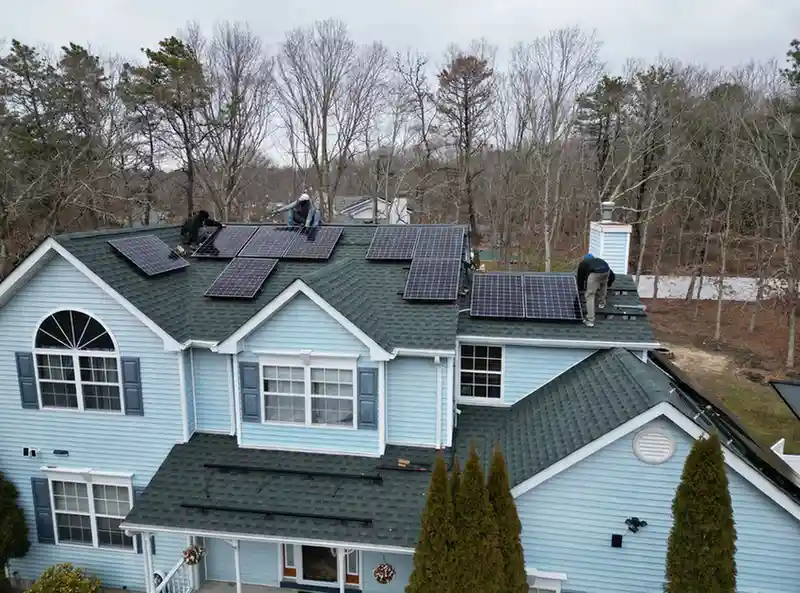
Installing solar panels can significantly reduce your electricity bills, but the amount you save depends on more than simply installing a solar system. Several factors affecting solar savings Long Island homeowners see determine how much energy your panels can produce, how much electricity you can offset, and how much you save overall each year.
While our payback period guide covers how long it takes to recover your investment, this guide focuses specifically on the dollar amount you can expect to save, and the factors that shape that number.
Understanding these factors affecting solar savings Long Island homeowners should know can help you make better decisions about system size, panel selection, financing, and installation.
In this guide, we’ll explore the key factors that influence solar savings and what homeowners should consider before investing in solar energy.
Electricity Usage
Your household’s electricity consumption is one of the biggest factors affecting solar savings Long Island residents experience.
Homes that use more electricity may have greater potential for savings because a properly sized solar system can offset a larger portion of their electricity consumption. Your electricity usage can vary based on factors such as number of people in the household, heating and cooling needs, appliances and electronics, pool pumps and other high-energy equipment, electric vehicles, and home working arrangements.
Before designing a solar system, reviewing your previous electricity bills can help determine how much energy your home typically uses.
A professional solar assessment can then estimate the system size needed to offset a significant portion of your electricity consumption.
Roof Size and Orientation
Your roof plays an important role in determining how much solar energy your home can generate.
A larger roof may provide more usable space for solar panels, while the roof’s orientation can influence how much sunlight the panels receive throughout the day.
Other roof characteristics that can affect solar production include roof pitch, shading from trees or nearby buildings, roof condition, available installation space, and obstructions such as vents and chimneys.
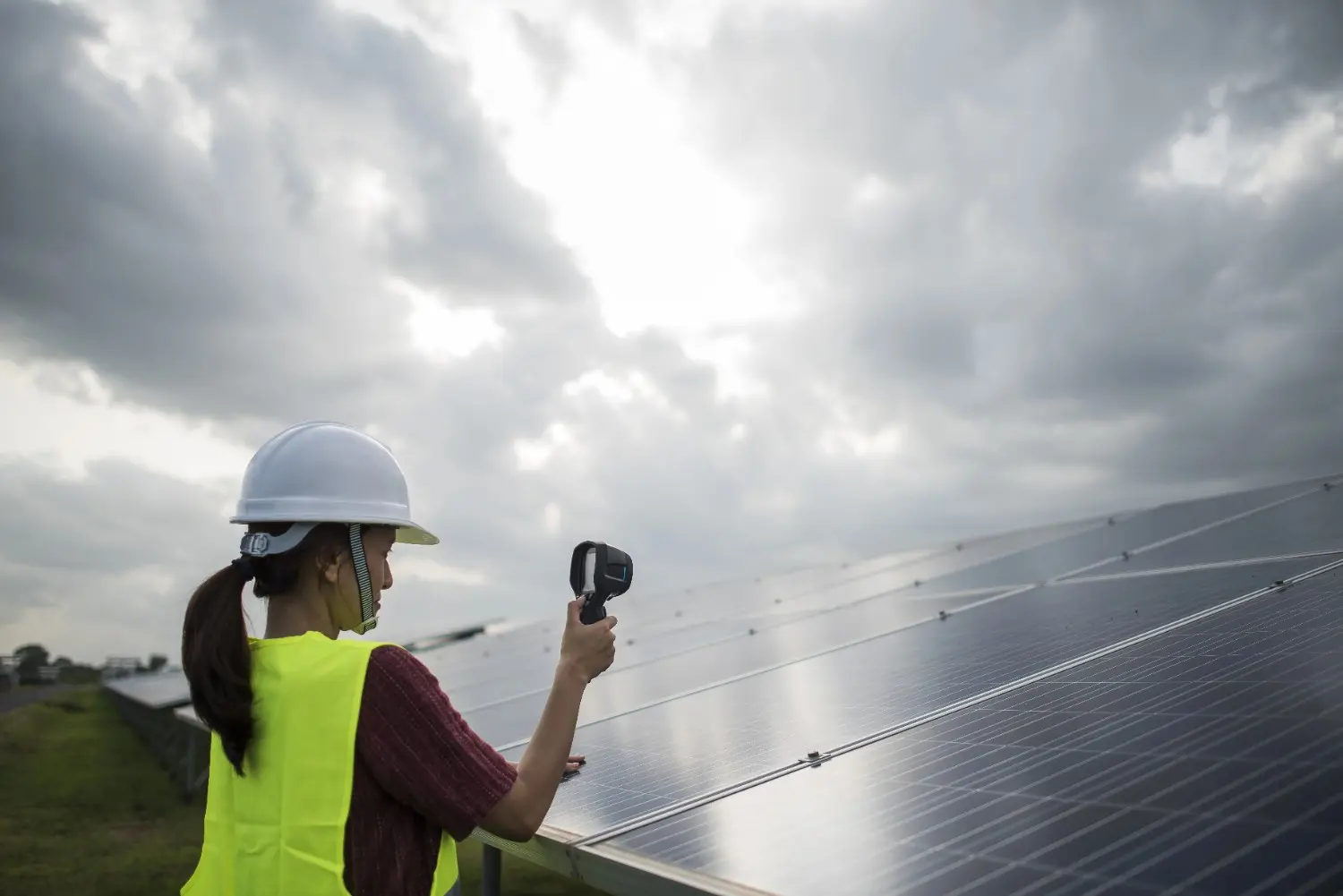
A roof with good sun exposure can help maximize solar production. However, every property is different, so a professional site assessment is important before determining whether your roof is suitable for solar.
Solar System Size
The size of your solar system directly affects how much electricity it can potentially generate.
A system that is too small may not produce enough energy to significantly reduce your electricity purchases. On the other hand, installing a system that is much larger than your household’s needs may not always provide the best financial return.
The ideal system size depends on several factors, including your average electricity consumption, available roof space, local sunlight conditions, utility requirements, future electricity needs, and your budget and savings goals.
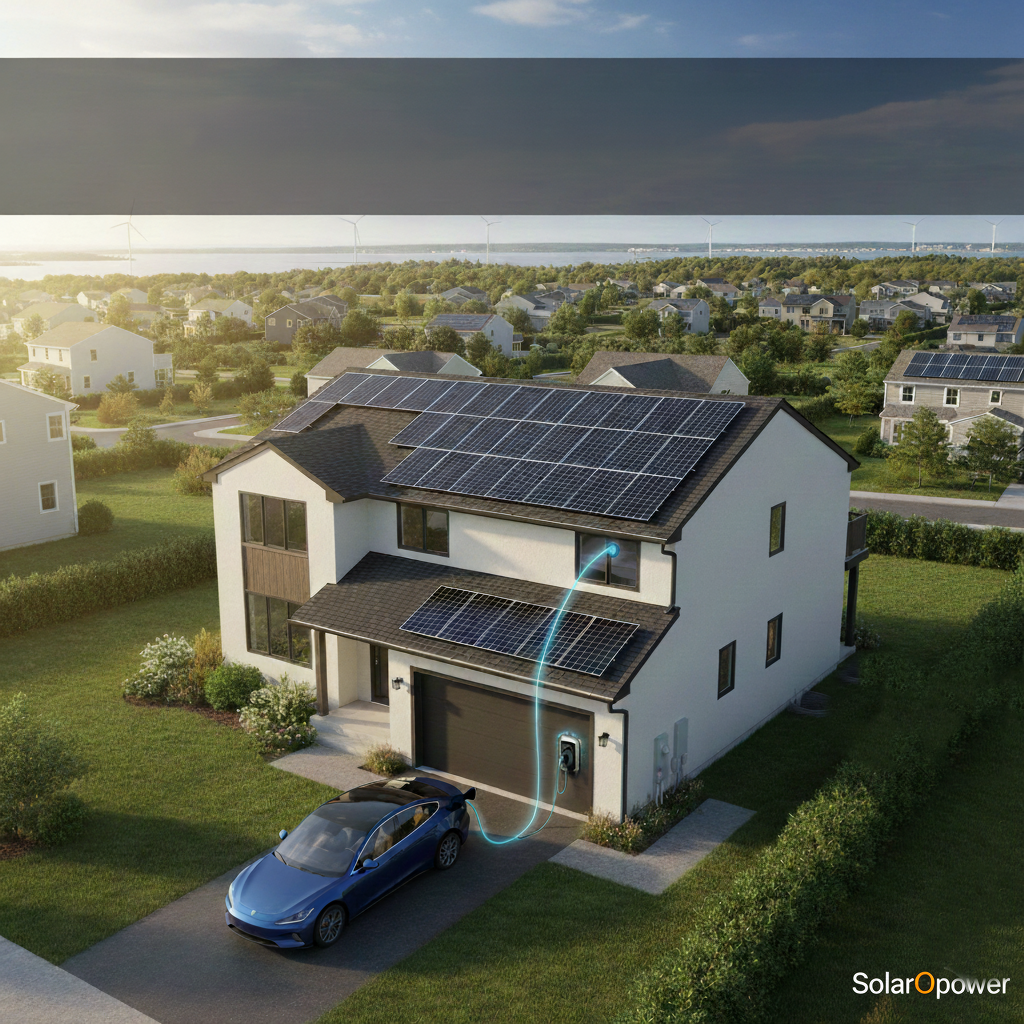
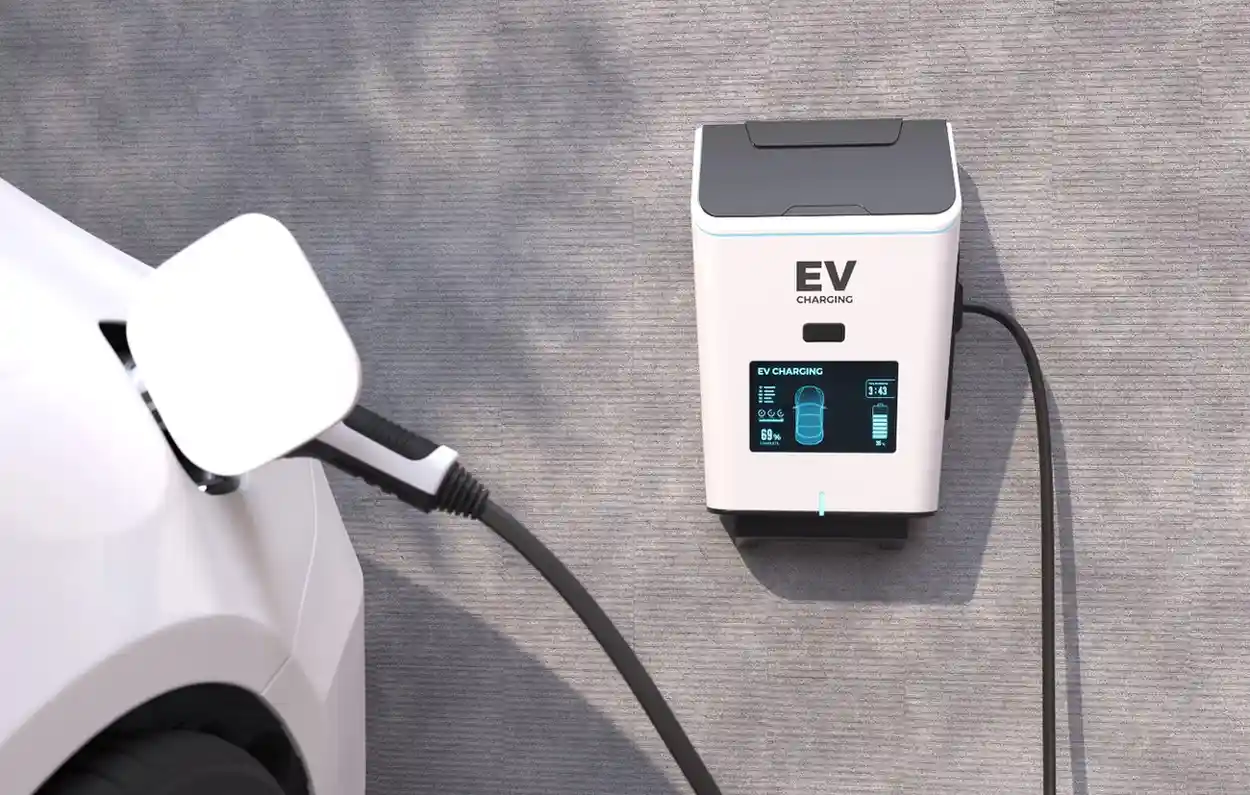
For example, a homeowner planning to purchase an electric vehicle may have higher future electricity consumption and could benefit from taking that expected usage into account when planning a solar system.
Panel Efficiency
Solar panel efficiency refers to how effectively a panel converts sunlight into electricity.
Higher-efficiency panels can produce more electricity from the same amount of roof space. This can be particularly useful for homes with limited usable roof area.
However, panel efficiency isn’t the only factor to consider. Homeowners should also look at panel quality, product warranties, expected degradation, manufacturer reputation, installation quality, and overall system design.
Choosing the most efficient panel available isn’t necessarily the same as choosing the most cost-effective system. The right combination of equipment, system size, roof conditions, and installation quality is what ultimately matters.
Financing Options
The way you pay for your solar system can significantly affect your overall financial savings.
Homeowners may have different options available, including purchasing a system outright or using solar financing. Each approach can have different upfront costs, monthly payments, interest charges, and long-term financial outcomes.
When comparing financing options, consider the initial investment, monthly payment, interest rate, loan term, total amount paid over the financing period, available incentives or tax benefits, and expected electricity savings.
It’s important to compare the total financial picture rather than focusing only on the monthly payment.
Other Factors Affecting Solar Savings in Long Island
While electricity usage, roof characteristics, system size, panel efficiency, and financing are major considerations, several other factors affecting solar savings Long Island homeowners face can influence your actual results.
Local Electricity Rates
Higher electricity rates can increase the potential value of the electricity generated by your solar system. Changes in utility rates over time can also affect your long-term savings.
Sunlight and Weather
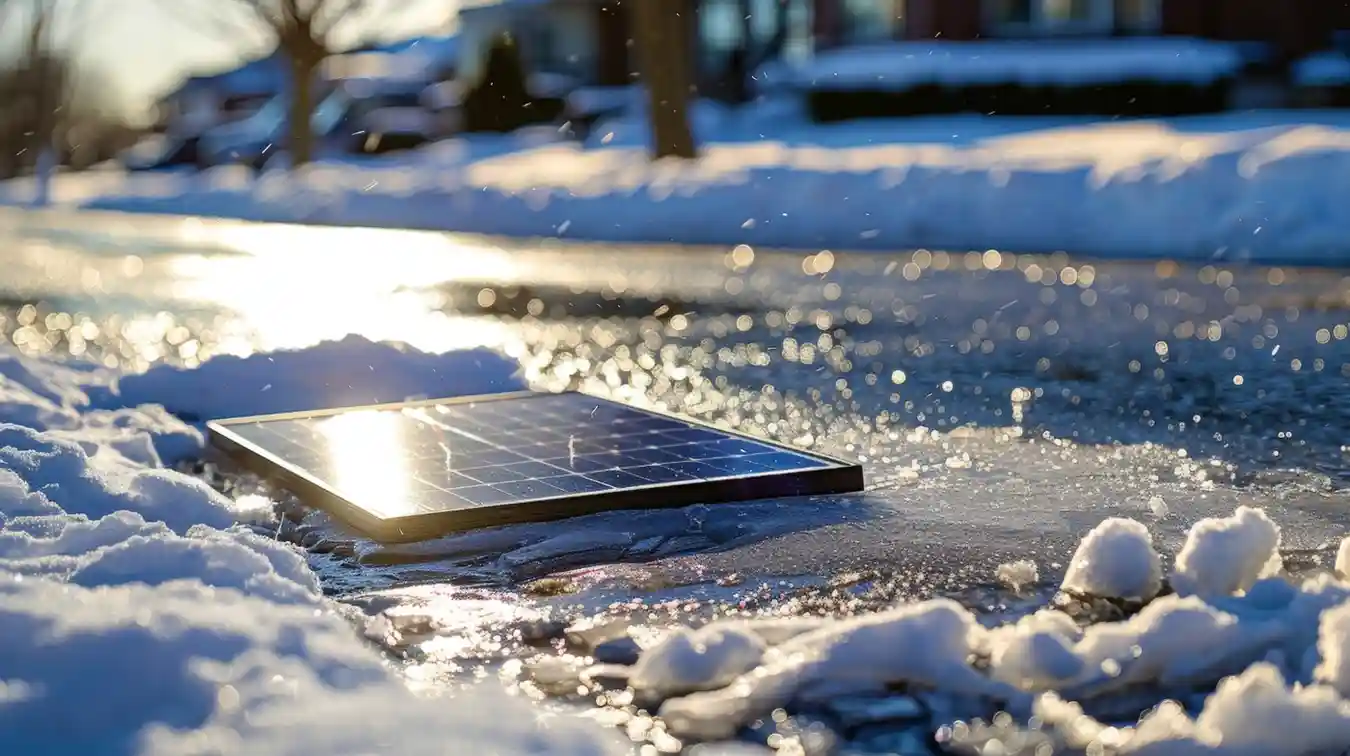
Solar panels generate electricity from sunlight. Local weather conditions, seasonal changes, and shading can therefore affect how much energy your system produces.
Solar Incentives
Federal, state, and local incentives may reduce the overall cost of going solar. The availability and value of incentives can change, so homeowners should check the current programs available to them.
Staying updated on current programs is essential, since incentives are among the fastest-changing factors affecting solar savings Long Island residents should track each year.
Maintenance and System Performance
Solar systems generally require relatively little maintenance, but keeping panels and other components in good condition can help maintain system performance over time.
Neglecting routine upkeep is one of the most avoidable factors affecting solar savings Long Island homeowners can control directly.
Energy Consumption Changes
Your electricity usage may change after installing solar. Adding an electric vehicle, expanding your home, installing a pool, or changing your heating and cooling system can increase electricity demand.
Planning for future energy needs can help ensure your solar system remains appropriate for your household.
Understanding these local electricity rate trends is one of the most overlooked factors affecting solar savings Long Island homeowners often miss when estimating their return.
How Can Long Island Homeowners Maximize Solar Savings?
If your goal is to get the most financial value from solar, start by understanding your home’s actual energy consumption.
Here are several steps to consider: review your electricity bills to understand your current usage, evaluate your roof for size, orientation, shading, and condition, determine an appropriate system size based on current and future energy needs, compare panel options based on efficiency, quality, warranties, and cost, explore available incentives that may reduce your solar investment, compare financing options and calculate the total cost, and work with an experienced local solar installer to develop a system suited to your property.
Final Thoughts
There isn’t one fixed amount that every homeowner will save by installing solar. The factors affecting solar savings Long Island properties see vary from one home to another, which is why a system designed specifically for your home can provide a more accurate picture of potential energy production and savings.
Electricity usage, roof size and orientation, system size, panel efficiency, financing, electricity rates, incentives, and future energy needs can all influence your results.
If you’re considering solar, a professional evaluation can help you understand your property’s solar potential and determine which system may best fit your energy needs and financial goals.
Frequently Asked Questions
What is the biggest factor affecting solar savings in Long Island?
Does roof orientation affect solar savings?
Do more efficient solar panels provide greater savings?
Should I install a larger solar system to save more money?
Does solar financing affect my total savings?
Can changes in electricity rates affect solar savings?
How can I estimate how much I could save with solar?
Curious how much you could actually save? Contact SolarOPower today for a free, property-specific solar savings estimate based on your home and electricity usage.