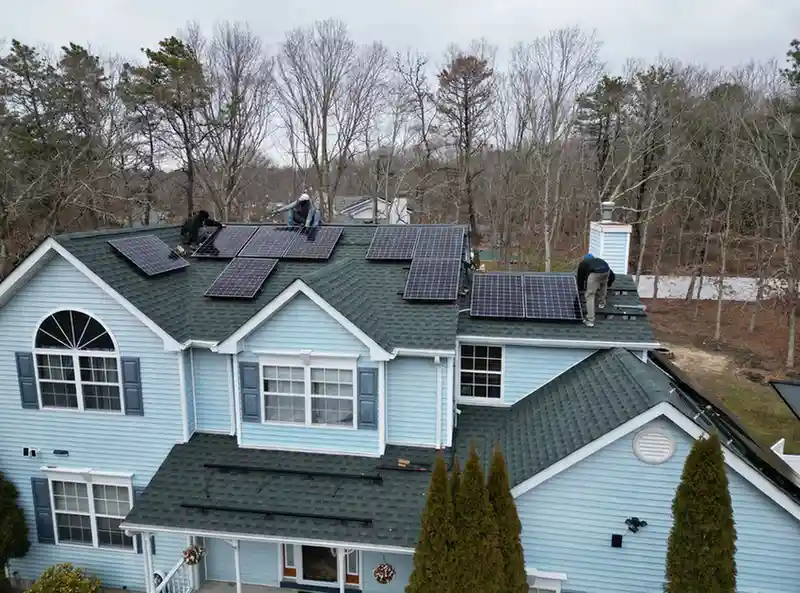
Before investing in a solar system, it helps to know whether your property is actually a good fit. Answering the question, is my home ready for solar Long Island homeowners often ask, involves more than just wanting lower energy bills. Your roof condition, sun exposure, electrical setup, and even your local HOA rules all play a role in how well solar will work for your home.
This checklist walks through the key factors that determine whether your home is ready for solar, so you can go into the process with realistic expectations.
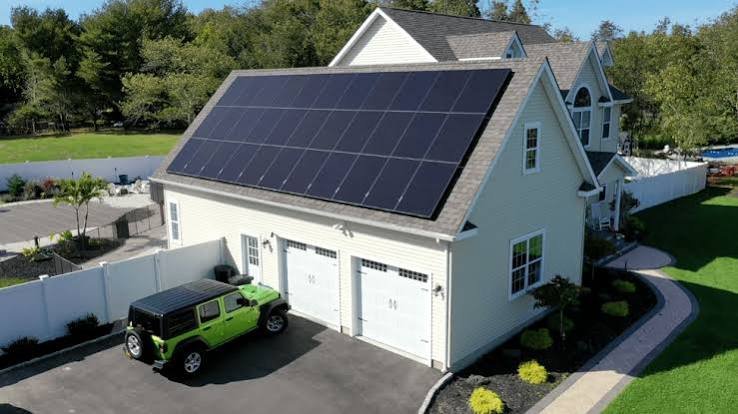
1. How Old and Sturdy Is Your Roof?
One of the first things to consider when asking is my home ready for solar Long Island homeowners should evaluate is the condition of the roof itself.
Solar panels are typically expected to last 25 years or more. If your roof is nearing the end of its lifespan or already showing signs of damage, it may make more sense to replace the roof before installing panels, rather than removing and reinstalling a solar system a few years down the road.
A roofing professional can assess whether your current roof can support a solar installation for its full expected lifespan.
2. Does Your Roof Get Enough Sun Exposure?
Solar panels perform best with consistent, unobstructed sunlight throughout the day.
South-facing roofs typically receive the most sun exposure on Long Island, though east- and west-facing roofs can still work well depending on the layout of your home. Homes with significant shading from trees, chimneys, or neighboring structures may see reduced solar output.
A solar installer can perform a shading analysis to determine how much usable sunlight your roof receives across the day and throughout the year.
3. What Type of Roofing Material Do You Have?
Most common roofing materials, including asphalt shingles, are compatible with standard solar panel mounting systems. However, certain materials, such as slate or wood shake, may require additional mounting considerations or specialized installation techniques.
If you’re unsure whether your roofing material is solar-compatible, it’s worth discussing with both a roofing contractor and a solar installer before moving forward.
4. Can Your Electrical Panel Handle a Solar System?
Your home’s electrical panel needs sufficient capacity to safely handle the additional load a solar system introduces.
Older homes, in particular, may have electrical panels that need to be upgraded before a solar system can be safely connected. A licensed electrician or solar installer can evaluate your panel and let you know whether an upgrade is necessary as part of your installation.
5. What Is Your Current and Future Energy Usage?
Understanding your household’s electricity consumption helps determine what size solar system makes sense for your home.
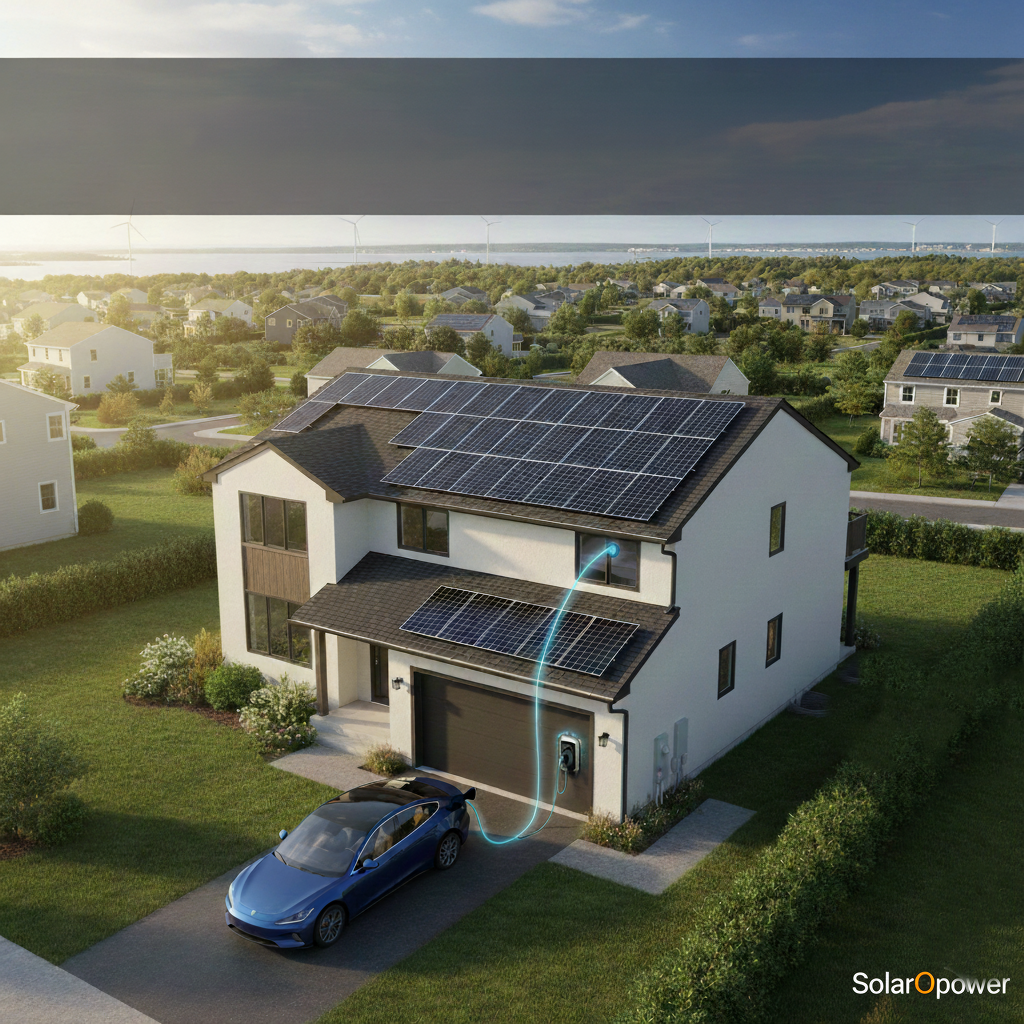
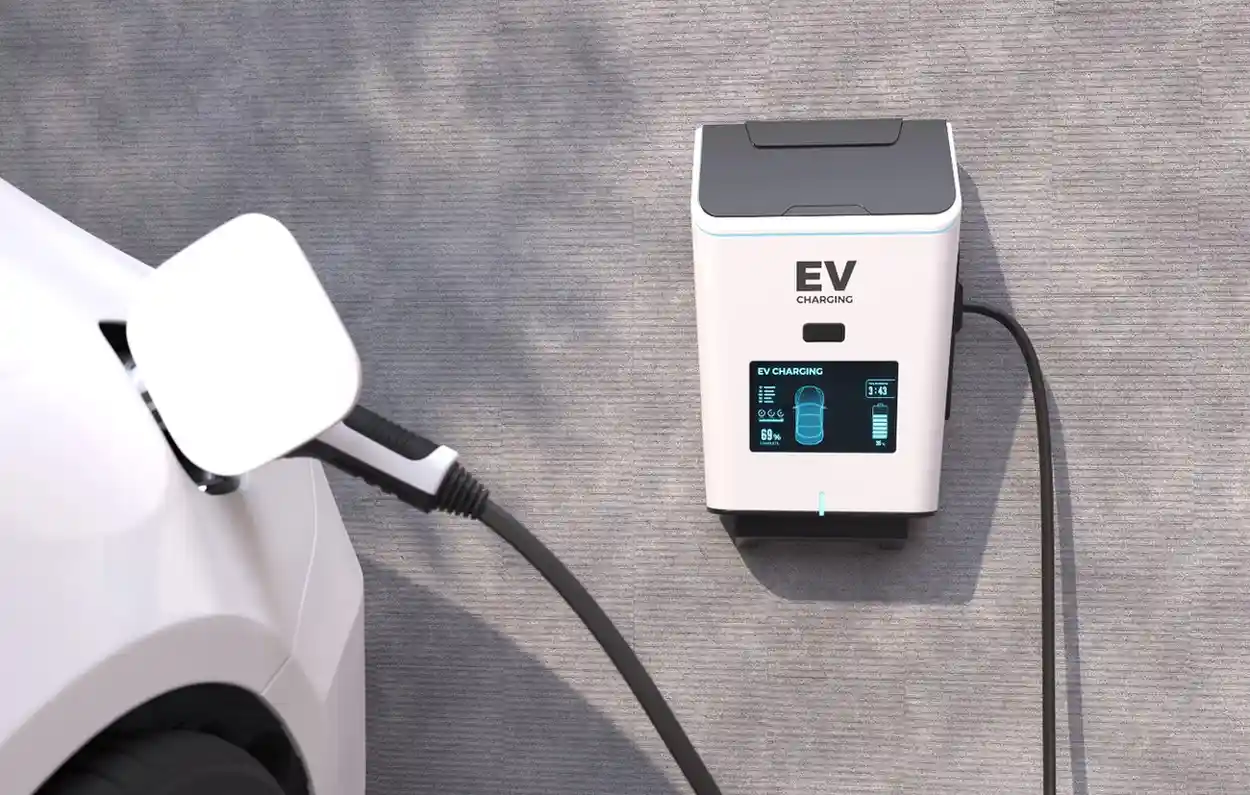
Review your past 12 months of utility bills to get a sense of your average usage. Also consider any upcoming changes that could affect your energy needs, such as adding an electric vehicle, expanding your home, or installing a pool.
6. Does Your HOA or Municipality Have Solar Restrictions?
If you live in a community with a homeowners association, it’s important to check whether there are specific rules regarding solar panel placement, visibility, or installation before signing a contract.
Some townships and villages may also have specific permitting requirements. Confirming these details early can prevent delays once your installation is scheduled.
7. Is Your Property Free of Major Upcoming Renovations?
If you’re planning significant renovations, such as a roof replacement, home addition, or major landscaping that could introduce new shading, it’s often more cost-effective to complete those projects before installing solar panels.
Removing and reinstalling a solar system to accommodate renovations can add unnecessary cost and complexity.
8. Have You Reviewed Available Incentives and Financing Options?
Part of determining is my home ready for solar Long Island homeowners should consider is understanding the financial side of the decision.
Federal tax credits, New York State incentives, and various financing options, including loans, leases, and cash purchases, can all affect the overall cost and payback period of your system. Reviewing these options ahead of time can help you make a more informed decision about timing and budget.
How to Get a Professional Assessment
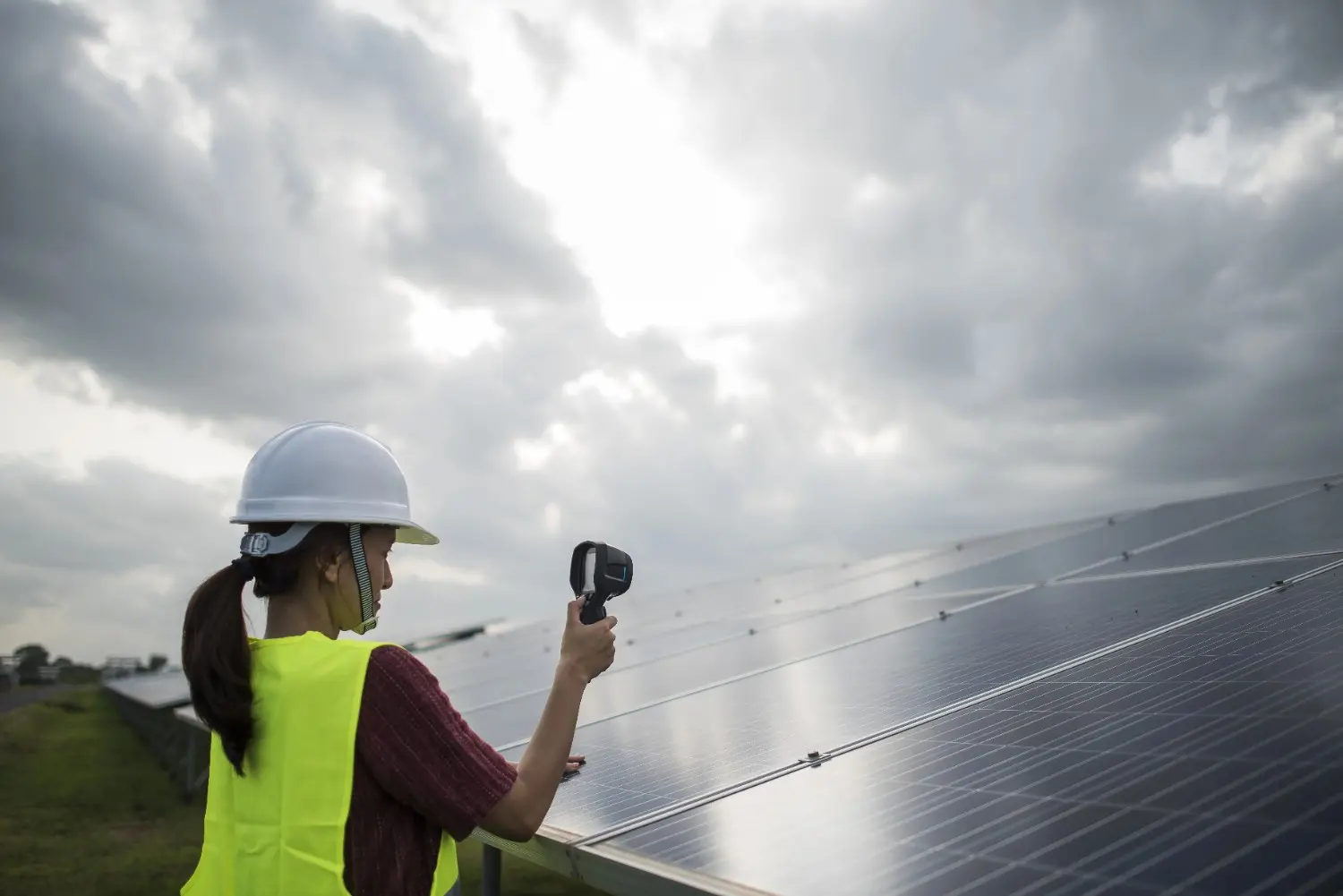
While this checklist can help you evaluate your home on your own, a professional solar assessment provides a more detailed picture. A qualified installer can evaluate your roof condition, measure sun exposure, review your electrical panel, and provide a system size recommendation based on your actual energy usage.
Most reputable solar companies offer this evaluation as a free or low-cost first step before any commitment is made.
Frequently Asked Questions About Solar Readiness
How do I know if my roof can support solar panels?
Do I need a new roof before installing solar panels?
What if my roof doesn't get much direct sunlight?
Does my electrical panel need to be upgraded for solar?
Can my HOA prevent me from installing solar panels?
How long does a solar readiness assessment take?
Final Thoughts: Preparing for a Successful Solar Installation
Answering the question, is my home ready for solar Long Island homeowners face before installation, comes down to a combination of roof condition, sun exposure, electrical capacity, and local regulations. Taking the time to evaluate these factors upfront can help you avoid unexpected costs or delays once installation begins.
If you’re unsure where your home stands, a professional solar assessment is the most reliable way to get clear, personalized answers before making a final decision.