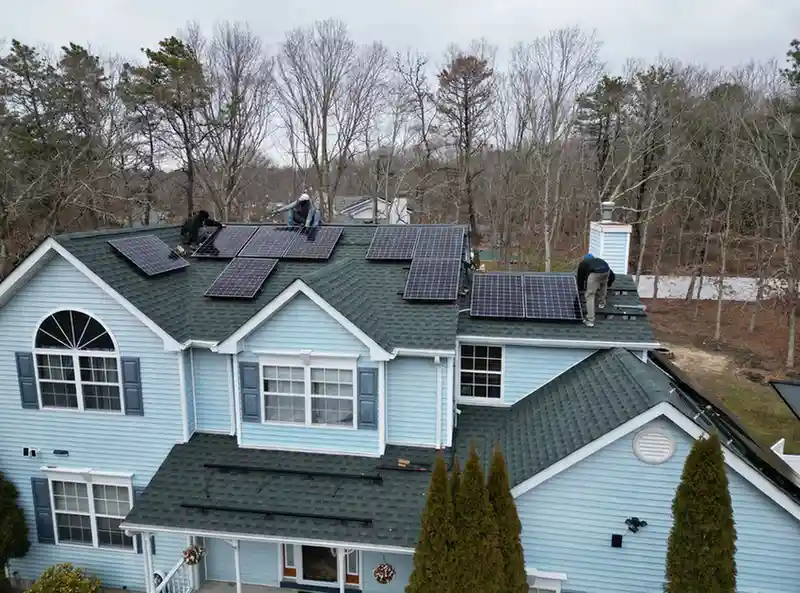
How Do Solar Panels Work? A Simple Guide for
Beginners
Replace your current intro paragraph with this:
A solar energy system is one of the smartest ways to cut electricity costs while protecting the environment. As energy prices continue to rise, more homeowners and businesses are turning to a solar energy system to produce their own clean, affordable power. But before installing one, many people ask the same question: how do solar panels actually work?
The good news is that the process behind a solar energy system is quite simple. Solar panels convert sunlight into usable electricity, helping you reduce energy bills while contributing to a cleaner environment. In this guide, SolarOPower explains how a solar energy system works and why it’s a smart investment for your home or business.
What Are Solar Panels?
Solar panels are made up of small units known as photovoltaic (PV) cells. These cells
absorb sunlight and convert it into electricity using a process known as the photovoltaic effect. Unlike traditional electricity sources, solar panels generate clean, renewable energy without producing harmful emissions.
Once installed on your roof or property, they begin producing electricity whenever
sunlight is available.
How Do Solar Panels Work?
Understanding how solar panels work is easy when you break the process into four
simple steps
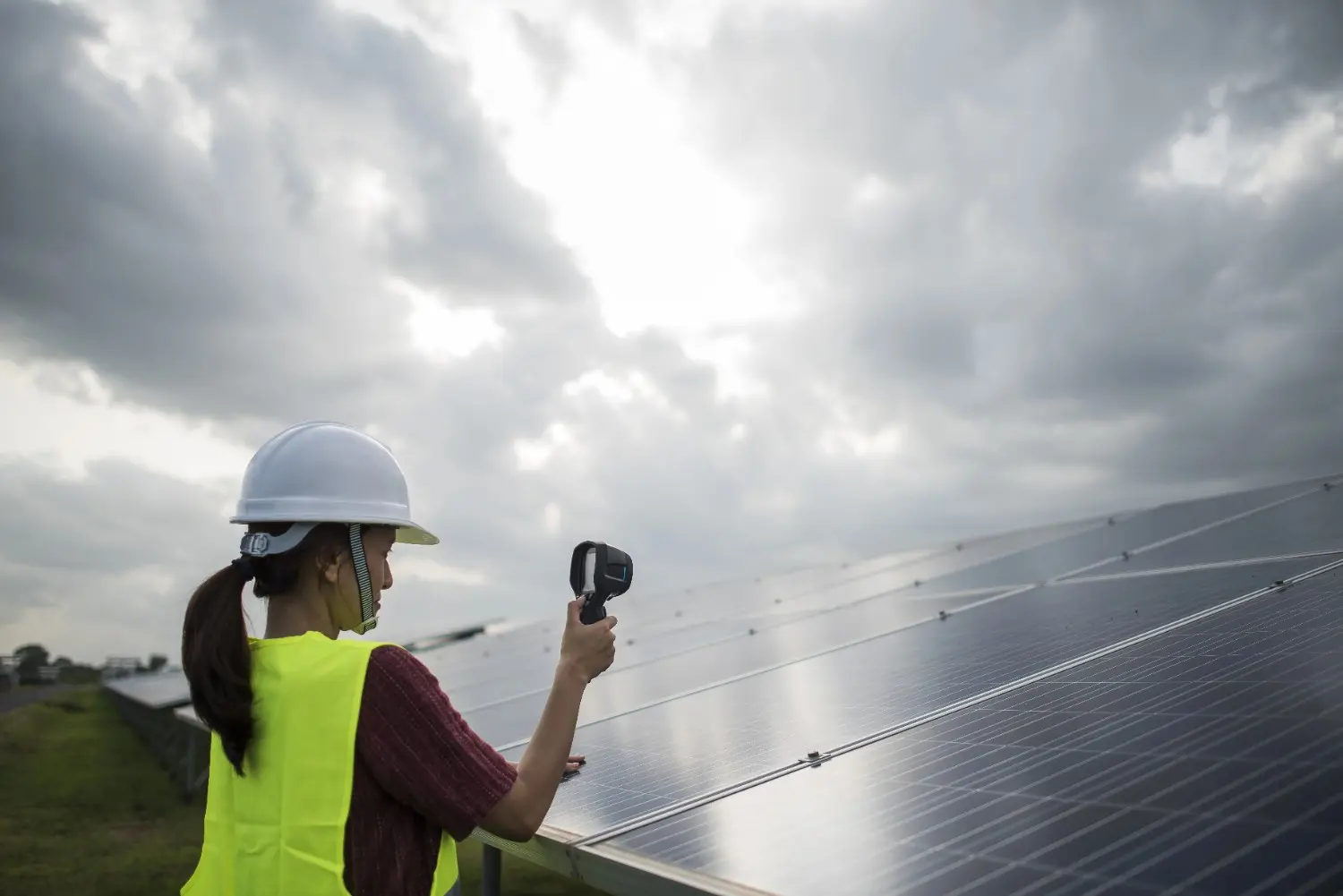
1.Solar panels are installed where there is strong sunlight to generate more power. During the day.
the photovoltaic cells absorb sunlight and generate direct current (DC) electricity. The amount of electricity produced depends on factors like sunlight intensitypanel efficiency, and weather conditions
- The Solar Inverter Converts the Power
The electricity produced by solar panels is direct current (DC), but homes and
businesses use alternating current (AC) electricity. A solar inverter converts the DC electricity into AC electricity, making it safe and
ready to power your lights, appliances, and electronic devices.
- Your Home Uses the Electricity
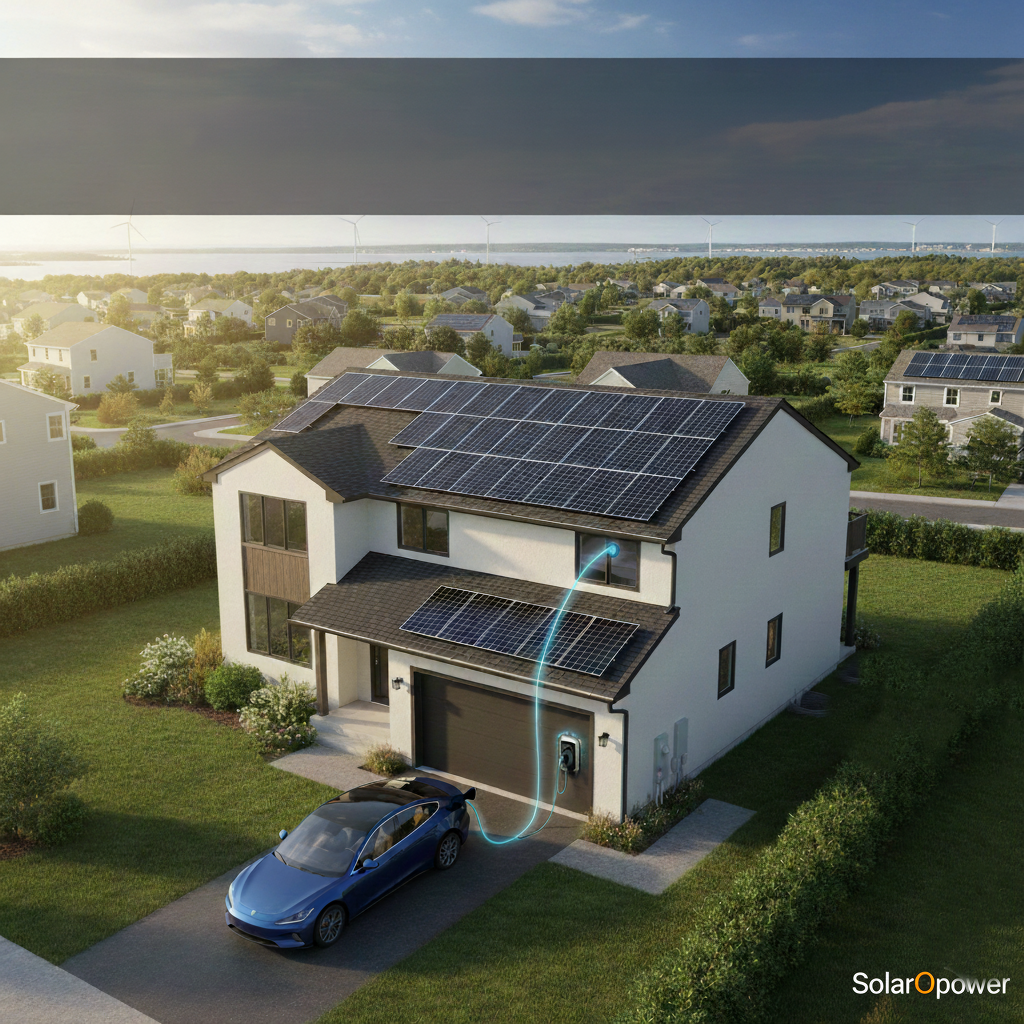
After conversion, the electricity flows through your property’s electrical panel and
powers everyday appliances such as refrigerators, air conditioners, televisions, lights, and computers.
This reduces your dependence on electricity supplied by the utility grid, helping lower your monthly energy bills.
- Extra Electricity Can Be Stored or Sent to the Grid
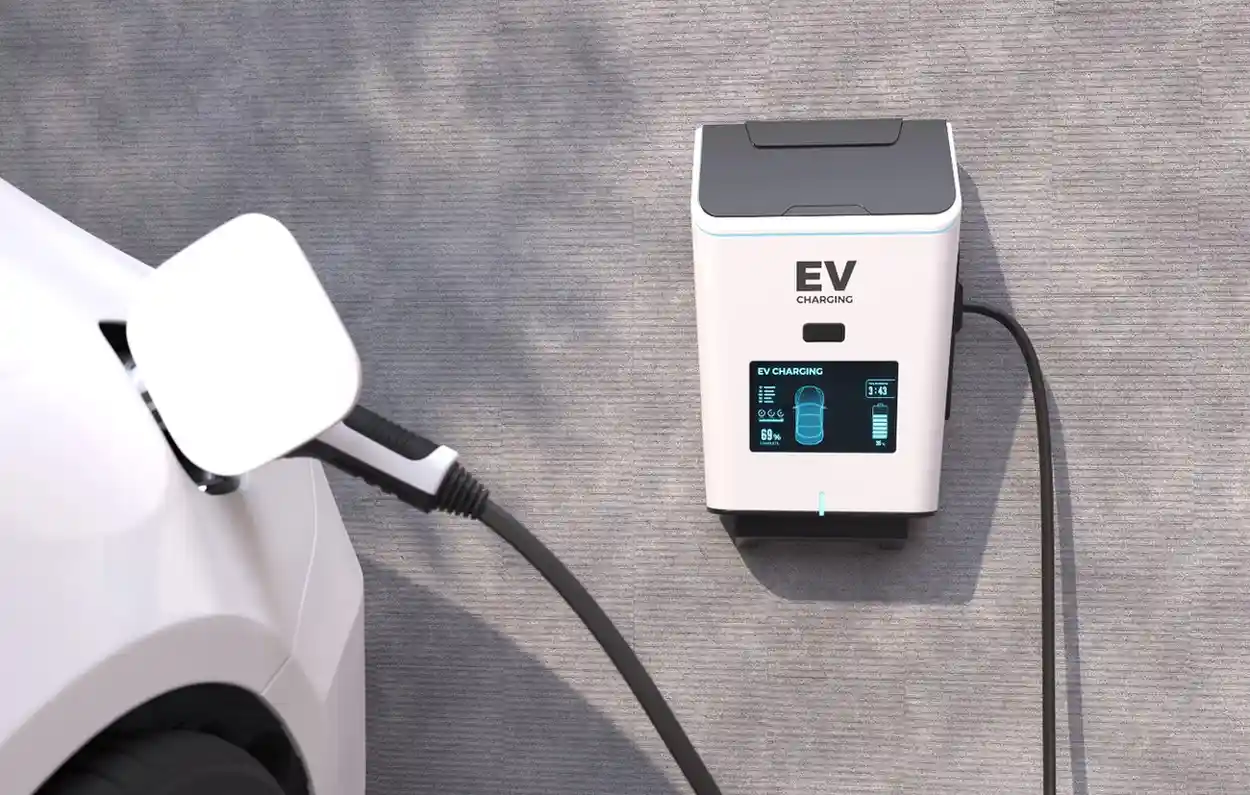
If your solar system produces more electricity than you use, the extra energy can be stored in a battery for later use or sent back to the power grid through a net metering system, depending on local rules.
This ensures that the energy your system produces is used efficiently.
Benefits of Solar Panels
Now that you understand how solar panels work, let’s look at why so many homeowners are making the switch.
- Lower monthly electricity bills
- Clean and renewable energy
- Reduced carbon footprint
- Increased property value
- Low maintenance requirements
- Long lifespan of 25–30 years
- Greater energy independence
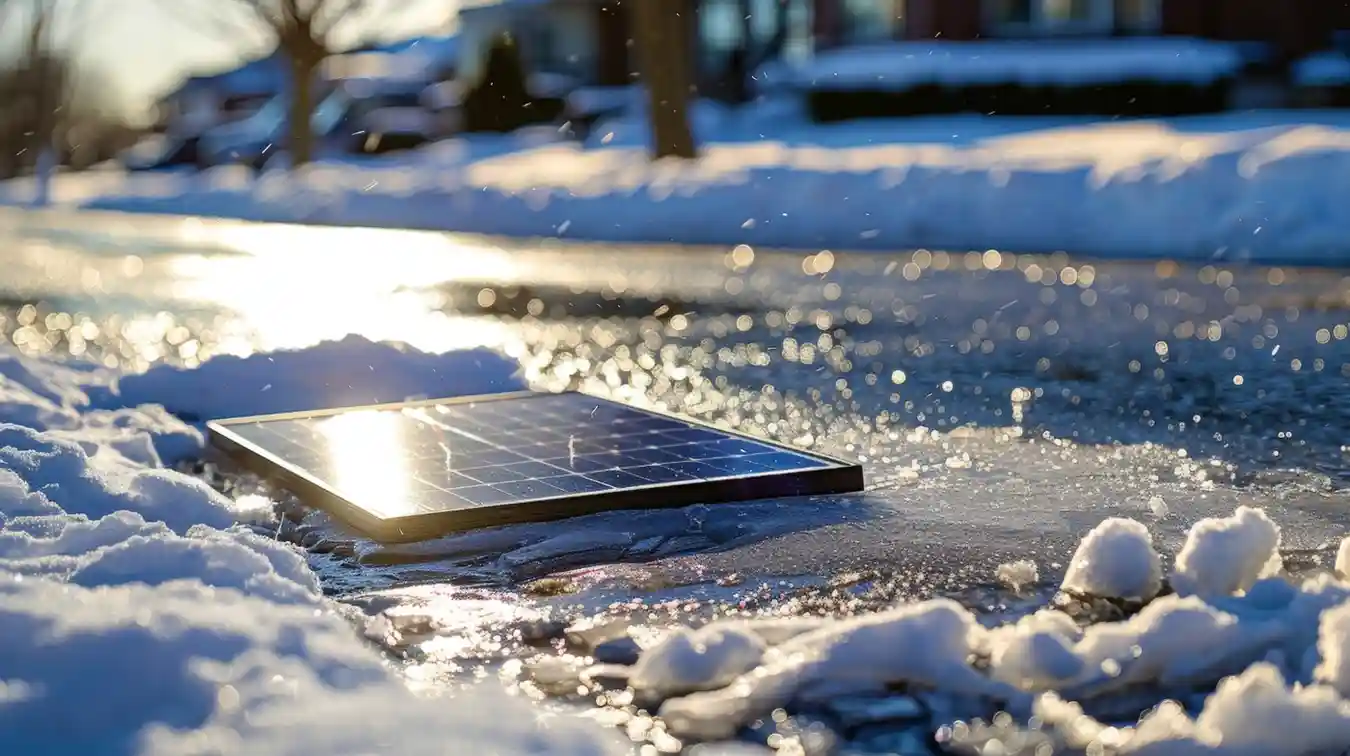
Solar panels are designed to withstand various weather conditions and require only occasional cleaning to maintain optimal performance.
Is Your Home Suitable for Solar Panels?
Most homes are suitable for solar installation, but several factors influence system
performance, including:
- Roof condition
- Roof orientation
- Amount of daily sunlight
- Shade from nearby trees or buildings can reduce the efficiency of solar panels.
- Household energy consumption
A professional site assessment helps determine the best solar solution for your Property.
Why Choose Solaropower?
At Solaropower, we provide complete solar energy solutions designed to meet your
energy needs. A system that provides long-lasting and dependable performance.
Whether you want to cut electricity costs or invest in clean energy, solar power is a smart choice.Solaropower is here to help you make the transition with confidence.
Conclusion
If you’ve ever wondered how solar panels work, the answer is simple: they capture
sunlight, convert it into electricity, and power your home with clean, renewable
energy. With lower energy bills, minimal maintenance, and long-term savings, solar
power is one of the smartest investments you can make.
Get ready to use the power of the sun? Contact Solaropower today to learn more
about our solar solutions and start your journey toward a more sustainable future.
Frequently Asked Questions (FAQs)
- How do solar panels work to generate electricity?
Solar panels generate electricity using photovoltaic (PV) cells that absorb sunlight and convert it into direct current (DC). This DC electricity is then passed through an inverter, which transforms it into alternating current (AC) so it can be used to power homes and businesses.
- A system that works reliably for many years.
Yes. Solar panels continue to generate electricity on cloudy days, although their efficiency may be lower than on bright sunny days.
- How long do solar panels last?
Most high-quality solar panels have a lifespan of 25 to 30 years. With proper maintenance, they can continue producing electricity even beyond that period.
- Will solar panels reduce my electricity bill?
Yes. By generating your own electricity, solar panels reduce your dependence on the utility grid, helping lower your monthly electricity costs.
- Do solar panels need a lot of maintenance?
No. Solar panels require very little maintenance. Regular cleaning and periodic Regular inspections are usually enough to keep them working efficiently.
- Is my home suitable for solar panel installation?
Most homes with adequate sunlight and a structurally sound roof are suitable for solar panels. A professional assessment from Solaropower can determine the best system for your property.