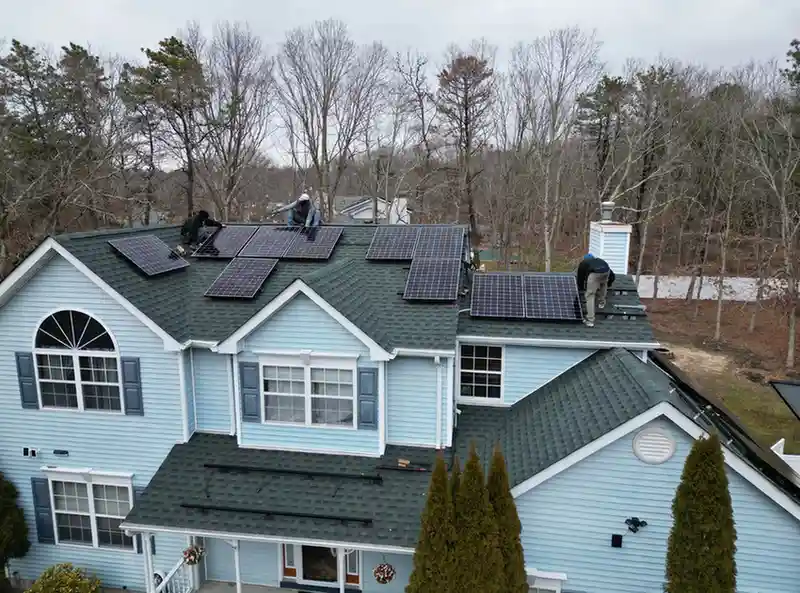
Quick Answer: Apartment buildings and condominiums on Long Island may be suitable for solar panel installations depending on roof condition, available space, structural capacity, electricity usage and electrical infrastructure. Before choosing a system, property owners and condo associations should evaluate shared electricity consumption, individual apartment meters, roof ownership, installation approvals and battery storage requirements.
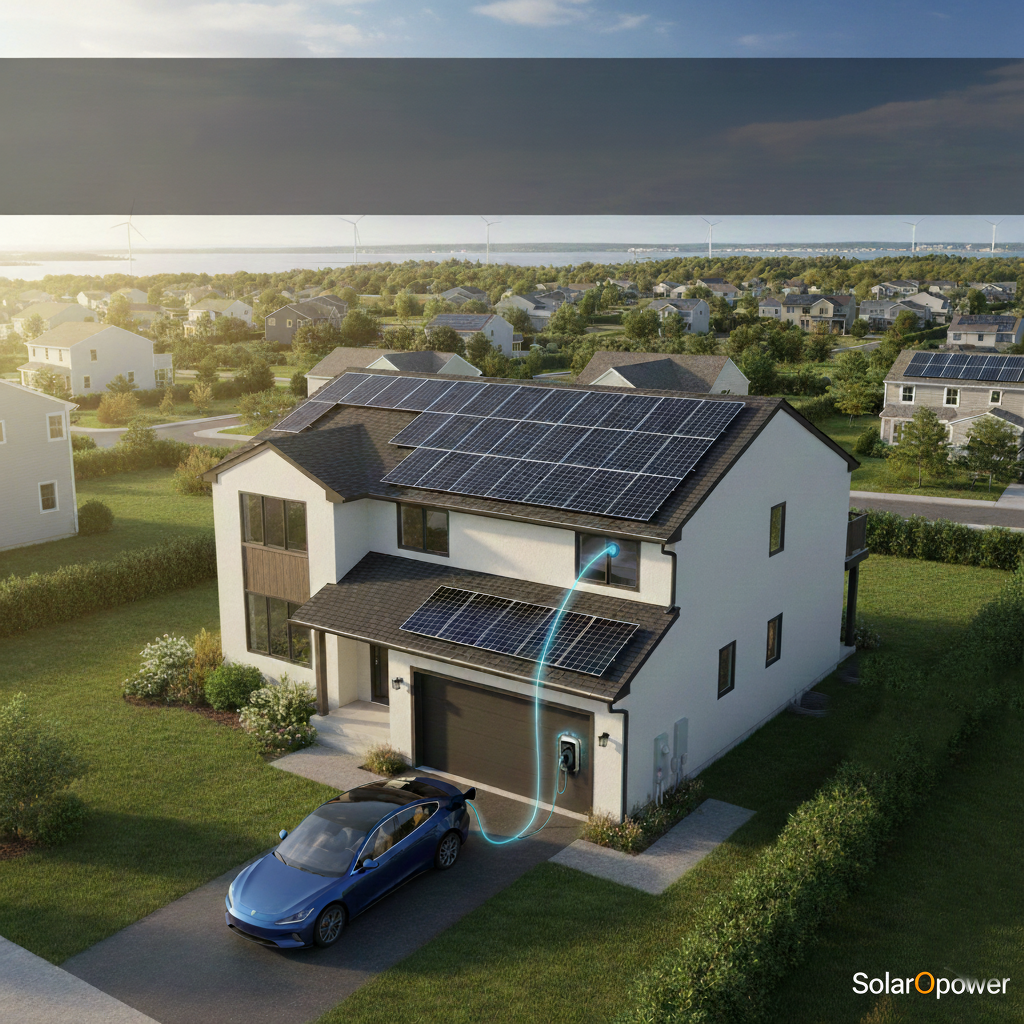
Solar for apartment buildings Long Island is becoming an important consideration for property owners, condominium associations, and multifamily property managers looking to explore renewable energy options. With suitable rooftop space and proper project planning, apartment buildings across Nassau and Suffolk County may be able to use solar panels to support common-area electricity needs, reduce dependence on grid electricity, and explore long-term energy savings.
However, installing solar panels on a multifamily property involves different considerations than installing a system on a single-family home. Building ownership, shared electricity usage, roof access, electrical infrastructure and the needs of individual residents can all affect the project.
For property owners, condominium associations and building managers across Nassau and Suffolk Counties, understanding these factors is an important first step toward evaluating a solar project.
Can Apartment Buildings Install Solar Panels?
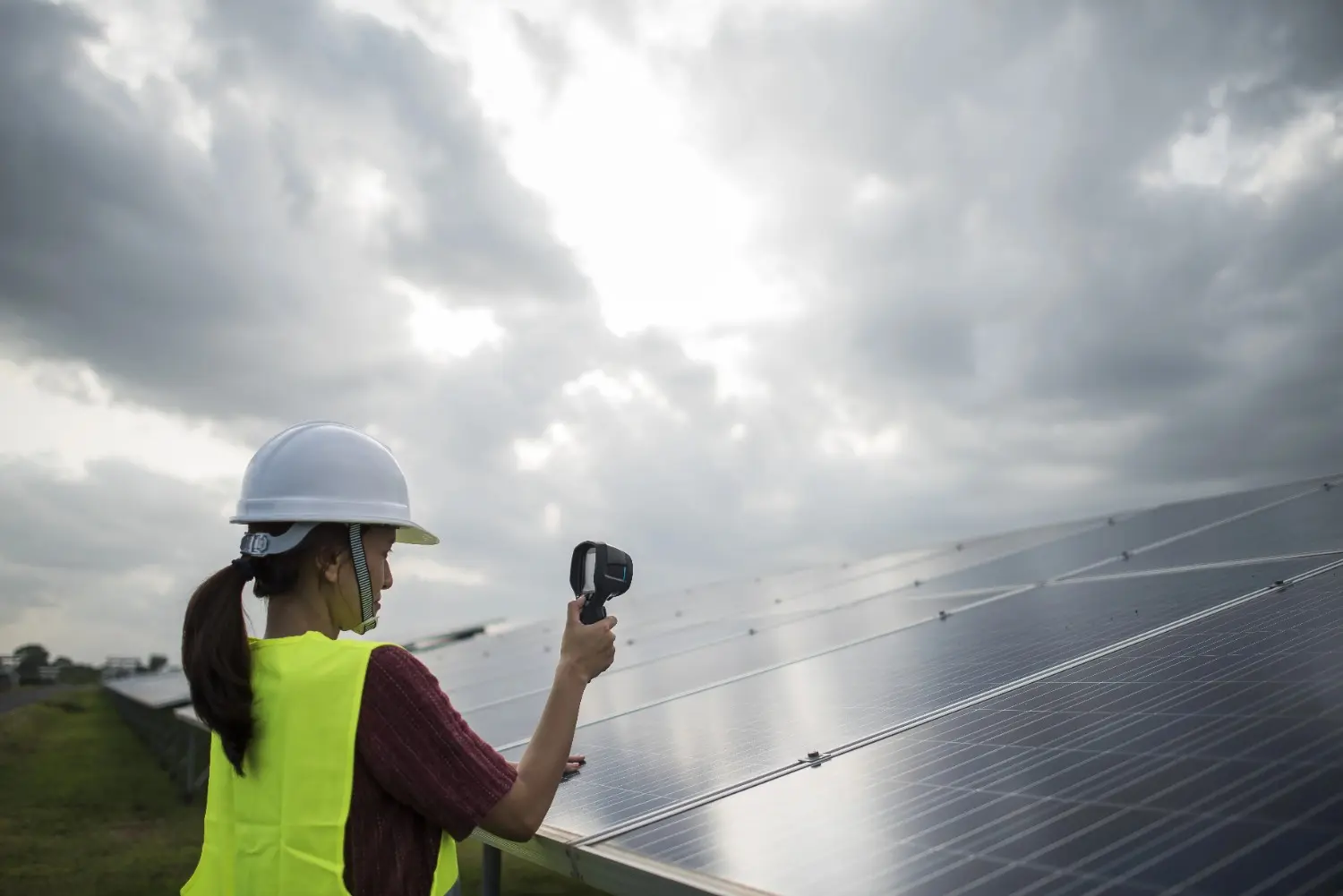
Yes, many apartment buildings and condominium properties may be suitable for rooftop solar, depending on their physical condition, roof design, available space and electrical infrastructure. A professional site assessment is necessary to determine whether a particular property can support a solar installation.
Before planning an installation, a property assessment should consider:
- Available and usable rooftop space
- Roof age, condition and remaining lifespan
- Roof orientation and potential shading
- Structural suitability for solar equipment
- Existing electrical systems
- Building electricity consumption
- Local permitting and utility requirements
Not every building will be suitable for the same solar configuration. A property-specific assessment helps determine whether rooftop solar is a practical option.
How Does Solar Work for Multifamily Buildings?
The way a solar energy system is used depends on the property’s electrical arrangement, utility metering and ownership structure. Apartment buildings may have centralized electrical systems, separate apartment meters or a combination of both.
Solar for Common-Area Electricity
Solar energy may help support electricity used in shared spaces, such as hallways, elevators, lighting, laundry facilities and other common-area equipment, depending on the electrical configuration.
Solar for Building-Operated Systems
Properties with centralized electrical equipment may evaluate whether solar can support eligible building loads. The system design should reflect actual electricity consumption and the property’s electrical infrastructure.
Solar for Apartments with Individual Meters
When apartments have separate utility meters, allocating solar generation to individual residents may involve additional arrangements and utility-program requirements. One rooftop system does not automatically reduce every resident’s electricity bill.
Understanding the building’s metering arrangement is essential before choosing a system.
What Should Condo Associations Consider Before Installing Solar?
Condominium associations often need to evaluate a solar project collectively because the roof and other building systems may be shared property.
Important considerations include:
- Reviewing condominium governing documents
- Understanding who has authority to approve roof modifications
- Obtaining the required association or board approvals
- Evaluating installation and maintenance responsibilities
- Reviewing insurance and warranty considerations
- Understanding how electricity benefits and project costs would be allocated
Clear communication between property managers, board members and residents can help prevent misunderstandings during project planning.
Is the Roof Suitable for a Multifamily Solar Installation?
The roof is one of the most important factors in determining whether a building can support a solar energy system.
A roof assessment should review its current condition, remaining useful life, available installation area and potential shading from nearby buildings or trees.
If a roof needs significant repairs or replacement, property owners may want to coordinate roofing work with solar planning. This can help avoid unnecessary panel removal and reinstallation later.
The installation method will also depend on the roof type, structural characteristics and applicable requirements.
Can Battery Storage Be Added to an Apartment Building?
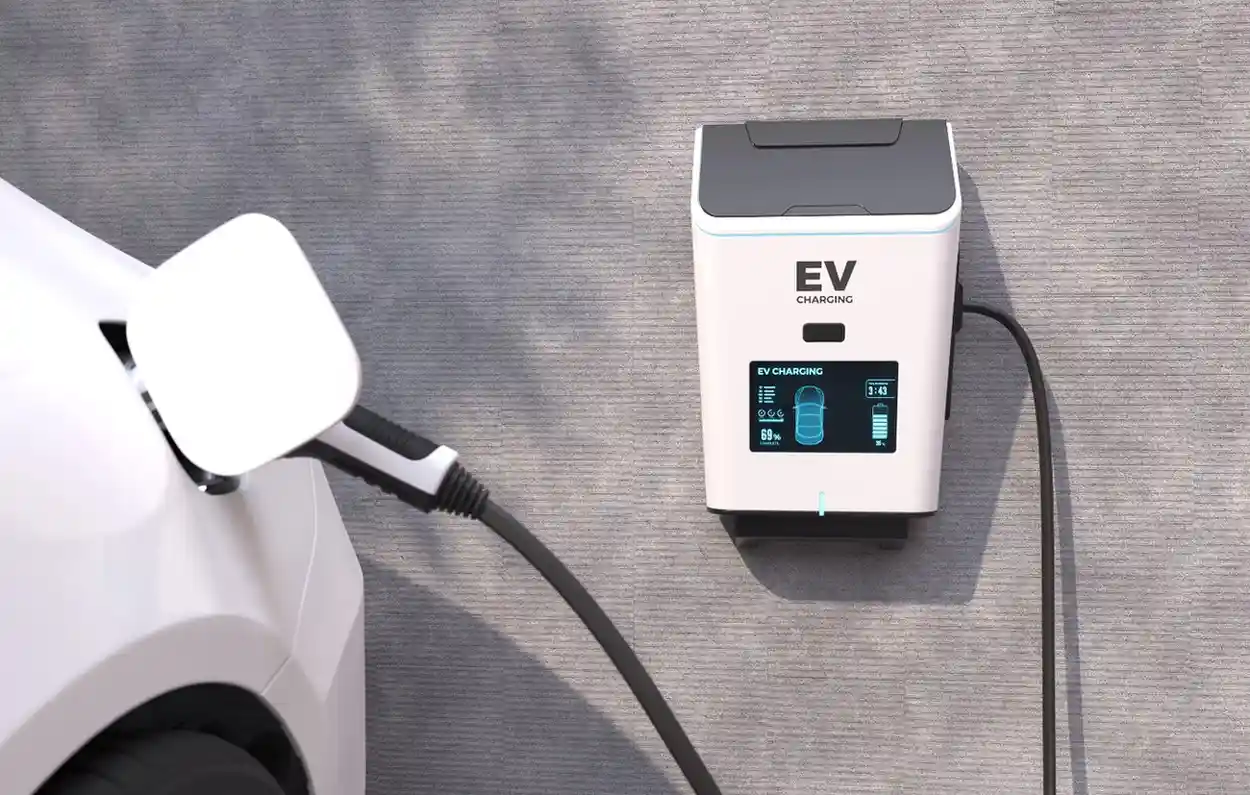
Yes, battery storage may be worth evaluating alongside a multifamily solar project. Depending on the building’s electrical design and backup requirements, a battery system may be considered for selected loads such as common-area lighting, communication equipment or other designated electrical circuits.
However, battery storage does not automatically provide backup power to every apartment. The system must be designed around the building’s electrical configuration, load requirements and backup priorities.
Property managers should discuss these requirements during the initial project assessment.
What Factors Affect the Cost of Solar for Apartment Buildings?
There is no single installation price for every apartment building. Project costs depend on several property-specific factors, including:
- System size and expected electricity production
- Roof condition and installation complexity
- Electrical upgrades, if required
- Equipment and inverter selection
- Battery storage requirements
- Engineering, permitting and interconnection work
Building owners should request a customized assessment rather than relying on a residential solar estimate or a general price per panel.
Any available incentives, financing arrangements or utility programs should also be checked for current eligibility before being included in financial projections.
Why Consider Solar for a Multifamily Property on Long Island?
A properly evaluated solar project may offer several potential advantages for multifamily property owners:
- An opportunity to offset eligible building electricity consumption
- Better understanding of long-term energy expenses
- Potential integration with battery storage
- More options for planning future energy upgrades
- A property-specific approach to energy management
Actual benefits depend on the building’s electricity usage, system design, utility arrangements, project costs and applicable program requirements.
How Do You Start a Multifamily Solar Project on Long Island?
Property owners and condominium associations in Nassau and Suffolk Counties can begin with a structured evaluation:
- Review recent electricity bills and identify common-area energy usage.
- Confirm roof ownership, access and approval requirements.
- Arrange a roof and structural suitability assessment.
- Review the property’s electrical infrastructure and metering arrangement.
- Evaluate suitable solar system configurations.
- Compare project costs, expected production and available options.
- Review permitting, utility interconnection and installation requirements.
A professional assessment can help determine whether the project is technically and financially appropriate for the property.
Frequently Asked Questions About Solar for Apartment Buildings
Can an apartment building have solar panels on its roof?
Yes. An apartment building may be suitable for rooftop solar if it has adequate usable roof space, suitable structural conditions and compatible electrical infrastructure. A site assessment is needed to determine feasibility.
Can solar panels reduce electricity costs for apartment residents?
Potentially, but it depends on how the building is metered and how solar electricity is allocated. A system serving common-area electricity may benefit building operations, while separately metered apartments may require additional utility arrangements.
Can a condo association install solar panels?
A condo association may be able to pursue a shared solar project, subject to its governing documents, ownership arrangements, required approvals, building suitability and applicable local and utility requirements.
Can apartment buildings use solar batteries?
Yes. Battery storage can be evaluated for selected building loads and backup requirements. The system must be designed around the property’s electrical configuration and should not be assumed to provide backup power to every apartment.
Does an apartment building need a new roof before installing solar?
Not necessarily. However, the existing roof should be inspected to assess its condition and remaining lifespan. If major repairs or replacement are needed, coordinating roofing work with solar installation may help avoid future removal and reinstallation costs.
Does SolarOPower provide solar solutions for multifamily properties on Long Island?
SolarOPower provides residential and commercial solar solutions across Long Island, NY. Property owners and building managers can contact the team to discuss their property’s requirements and explore suitable solar options.
Explore Solar Options for Your Long Island Property
Solar energy planning for apartment buildings and condominiums requires careful consideration of roof conditions, electrical systems, building ownership and energy usage.
SolarOPower provides residential and commercial solar solutions across Long Island, NY. Our team can help property owners and businesses explore solar panel installation, battery storage and other energy solutions based on their property’s requirements.
If you manage an apartment building, own a multifamily property or represent a condominium association in Nassau or Suffolk County, contact SolarOPower to discuss your property’s solar potential and request an assessment.
Contact SolarOPower to explore solar solutions for your Long Island property.