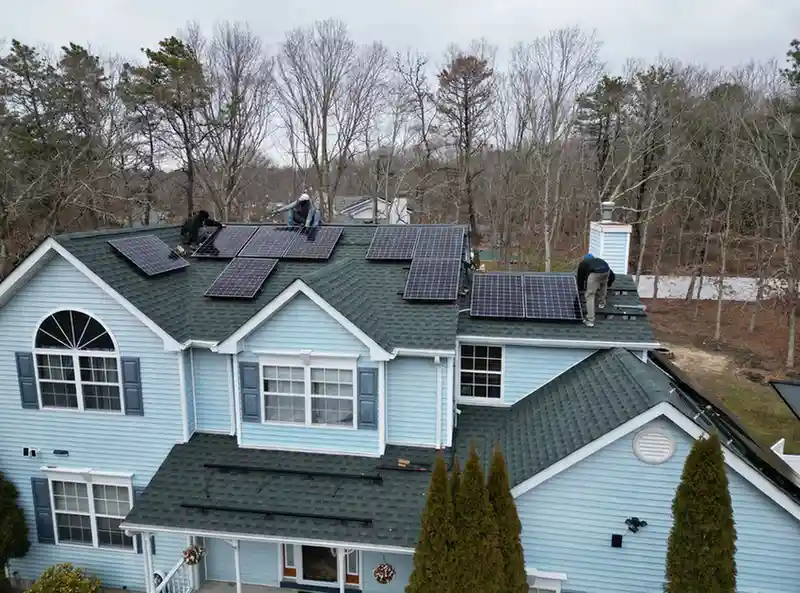
Solar panel permits Long Island can feel confusing – do you actually need one? Yes – every solar project in Nassau and Suffolk County needs a building permit, an electrical permit, and approval from PSEG Long Island before it can go live.Do you need a permit to install solar panels on Long Island? Yes – every solar project in Nassau and Suffolk County needs a building permit, an electrical permit, and approval from PSEG Long Island before it can go live. Most homeowners never deal with this paperwork directly because their installer handles it, but knowing what’s involved helps you spot delays before they happen.
Quick Answer: PSEG Long Island, Nassau County, and Suffolk County each require separate approvals before a residential solar system can go live: a town or village building permit, an electrical permit, and a PSEG-LI interconnection agreement. Processing typically takes two to six weeks, and a final inspection from your local building department is required before the system can be turned on.
Why Solar Panel Permits Long Island Homeowners Need Work Differently
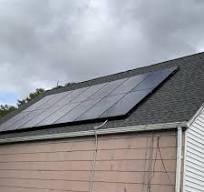
Most of New York uses a single statewide solar permit template. Nassau and Suffolk Counties don’t. Long Island runs on its own system, built through a joint effort between the Nassau County Planning Commission, Suffolk County Planning Commission, and the Long Island Power Authority. The goal was to standardize solar approvals across dozens of towns and villages so homeowners weren’t stuck with a different process every time they crossed a town line.
That said, “standardized” doesn’t mean “identical.” Each town and incorporated village still runs its own building department, and each one reviews applications a little differently.
The Three Approvals You'll Need
1. Building permit
This covers the physical mounting of panels on your roof or property. Your town’s building department checks the racking system, roof structural capacity, and fire access pathways. Long Island sits in a high wind-load zone, especially near the coast, so your installer needs to show the mounting hardware can handle local wind speeds.
2. Electrical permit
This one is separate from the building permit and covers the wiring, inverter, and connection to your home’s electrical panel. It’s reviewed by the same building department but as its own application.
3. PSEG-LI interconnection approval
Before your system can send power to the grid or qualify for net metering credits, PSEG Long Island has to approve the interconnection. This step confirms your system meets utility safety standards and sets up your billing for excess power.
Skipping the PSEG-LI step is the most common reason installations sit finished but unpowered for weeks. Your installer should file this alongside the building permit, not after.
What the Process Looks Like Town by Town
| Item | Nassau County | Suffolk County |
|---|---|---|
| Permit authority | Town or village building department | Town building department |
| Typical review time | 10–15 business days | 7–10 business days |
| Special reviews | Structural review, fire department access plan | Varies by town; East End towns may add scenic/aesthetic review |
| Village overlap | Many incorporated villages (Garden City, Rockville Centre, Great Neck) issue their own permits on top of town rules | Fewer incorporated villages; mostly handled at town level |
According to the Nassau County and Suffolk County Planning Commissions, these timelines are general ranges – always confirm current processing times with your specific building department, since they shift based on staffing and application volume.
If you live in an incorporated village, check whether the village or the town handles your permit. This trips up a lot of homeowners, since village and town rules don’t always match.
What Happens During the Inspection
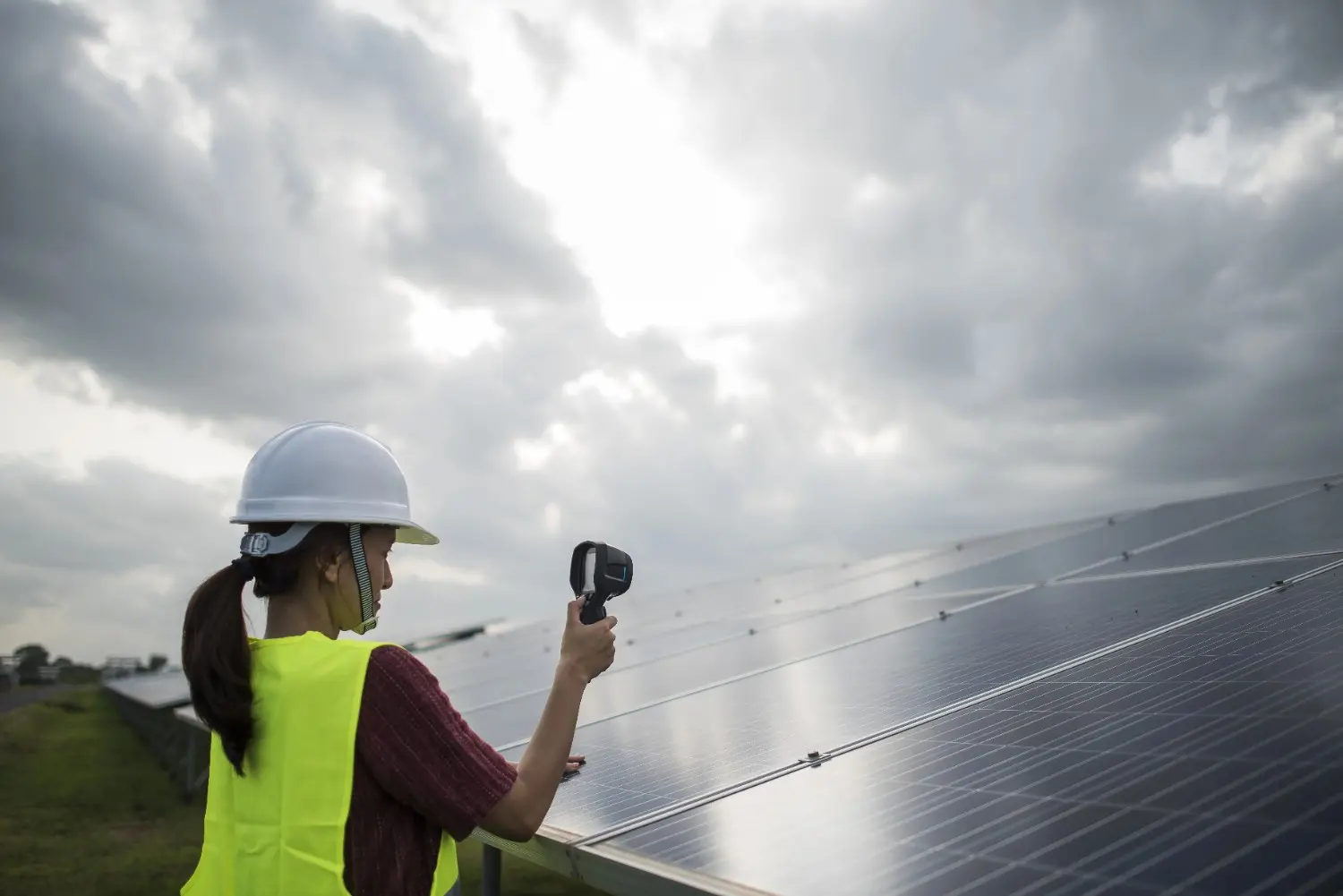
Once your system is installed, the building department sends someone out for a final inspection before you’re allowed to turn it on. Inspectors typically check:
- Mounting hardware is secured to code
- Wiring matches the approved electrical plan
- Grounding and disconnect switches are properly installed
- The system matches what was submitted in the permit application
If something doesn’t match the approved plans – even a minor change in panel placement – you may need a revised permit before the inspection can pass. This is one of the biggest causes of installation delays, so it helps to ask your installer directly whether the as-built system matches what was filed.
Homeowner tip: Ask your installer for a copy of the approved permit set before installation day. If the final layout looks different from what’s on paper, flag it before the inspector does.
How Long Does the Whole Process Take?
From application to final approval, most Long Island homeowners are looking at roughly two to six weeks, combining permit review, installation, inspection, and PSEG-LI interconnection. Coastal properties or homes needing extra structural review can run longer. This is one reason Best Time of Year to Install Solar Panels on Long Island matters — timing your application around slower review periods can shave weeks off the process.
Do You Need to Worry About HOA or Village Rules Too?
Permits and inspections are separate from any HOA or village aesthetic rules that might apply to your property. If you live somewhere with an HOA, it’s worth checking HOA Rules and Solar Panels: What Long Island Homeowners Need to Know before you file for permits, since some associations require sign-off before installation even begins.
Before You Apply: A Quick Checklist
- Confirm whether your town or village issues the permit
- Ask your installer for the structural review documentation upfront
- File the electrical permit and PSEG-LI interconnection together, not sequentially
- Budget two to six weeks for the full process, longer near the coast
- Keep a copy of your approved permit set on hand for the final inspection
If you’re not sure your home is ready to start this process at all, our guide on Is Your Home Ready for Solar? A Checklist for Long Island Homeowners is a good place to start before you apply.
According to NYSERDA’s NY-Sun initiative, homeowners should confirm program eligibility and current permit standards before starting an application.
Frequently Asked Questions
Do I need a permit for a small residential solar system on Long Island?
Yes. Every grid-connected residential solar system needs a building permit, an electrical permit, and PSEG-LI interconnection approval, regardless of system size.
How long does it take to get a solar permit approved in Nassau or Suffolk County?
Most applications take one to two weeks to review, though total project time — including installation, inspection, and utility approval — usually runs two to six weeks.
Who inspects solar panel installations on Long Island?
Your town or village building department handles the final inspection, checking that the installed system matches the approved permit plans and meets local building and electrical codes.
Does PSEG Long Island need to approve my solar system separately?
Yes. PSEG-LI reviews and approves the interconnection agreement separately from your town's building and electrical permits, and this step is required before you can receive net metering credits.
Can I install solar panels without going through the permit process?
No. Skipping permits creates code violations, voids most manufacturer and installer warranties, and can cause problems if you sell your home later.