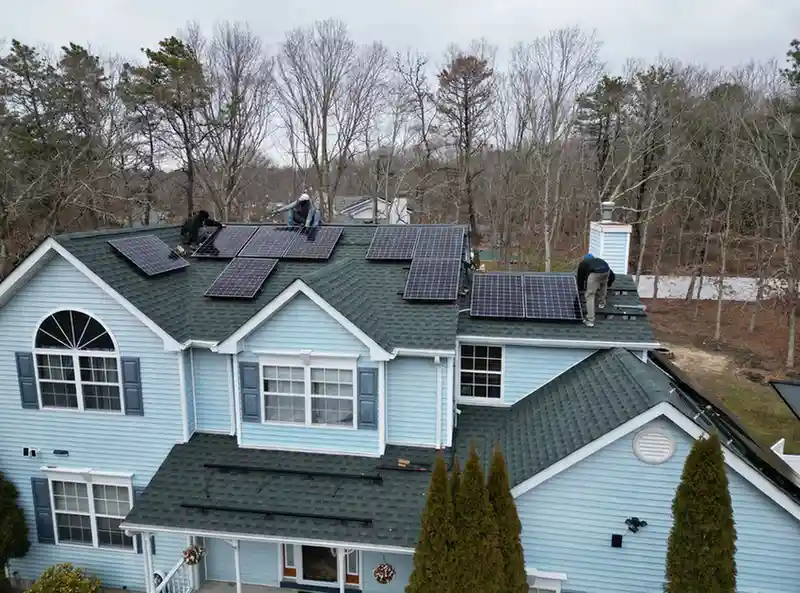
Quick answer:A solar panel pest guard Long Island is the most effective way to protect your system from birds and squirrels – a PVC-coated steel mesh installed around the panel perimeter with clips (no drilling). Professional installation typically costs $450–$1,500 on Long Island depending on system size. Left unprotected, squirrels can chew through DC wiring (causing shutdowns or even fire risk), and birds nesting under panels block airflow, trap debris, and create hot spots that quietly reduce your production.
A properly fitted solar panel pest guard Long Island professionals use is the proven, warranty-safe solution.
Why Long Island Homes Are a Magnet for Solar Panel Pests
Below is what a solar panel pest guard Long Island installers typically charge in 2026:
Long Island is close to ideal pest habitat: dense suburban neighborhoods, mature oak and maple canopy, bird feeders on every deck, and warm, sheltered gaps – exactly the space a solar array creates.
The 4–6 inch gap between your panels and the roof is essentially a ready-made attic for:
- Squirrels – the #1 offender in Nassau and Suffolk County
- Pigeons – nest year-round, return every season
- House sparrows and starlings – flood in during spring nesting (March–June)
- Mourning doves – build flimsy nests that shed debris into your wiring
- Chipmunks and mice – smaller gaps, same chewing instinct
If your home backs up to woods, has overhanging branches, or sits near a bird feeder, assume it’s a matter of when, not if.
That’s why demand for a solar panel pest guard Long Island homeowners trust spikes every spring – and why smart owners install one before nesting season starts.
What Pests Actually Do Under Solar Panels
Squirrels chew DC wiring – exposed copper and arced insulation cause system shutdowns (arc/ground faults), fire risk, and $500–$2,000+ in repairs.
Bird nests under panels – twigs, leaves, and nesting material pile against wiring, blocking airflow, making panels run hotter, and reducing efficiency.
Droppings accumulate – guano coats panel surfaces and wiring, causing hot spots, module damage, and corrosion.
Nesting birds become territorial – they return every spring in an aggressive infestation cycle, creating recurring cleanup costs year after year.
Debris blocks drainage – moisture gets trapped against your roof, causing damage and premature shingle wear.
The most dangerous one is wire chewing. Your inverter will usually detect the fault and shut the system down – but sometimes the first sign is a burning smell or visibly melted conduit. That’s why pest damage is a safety issue, not just a maintenance one.
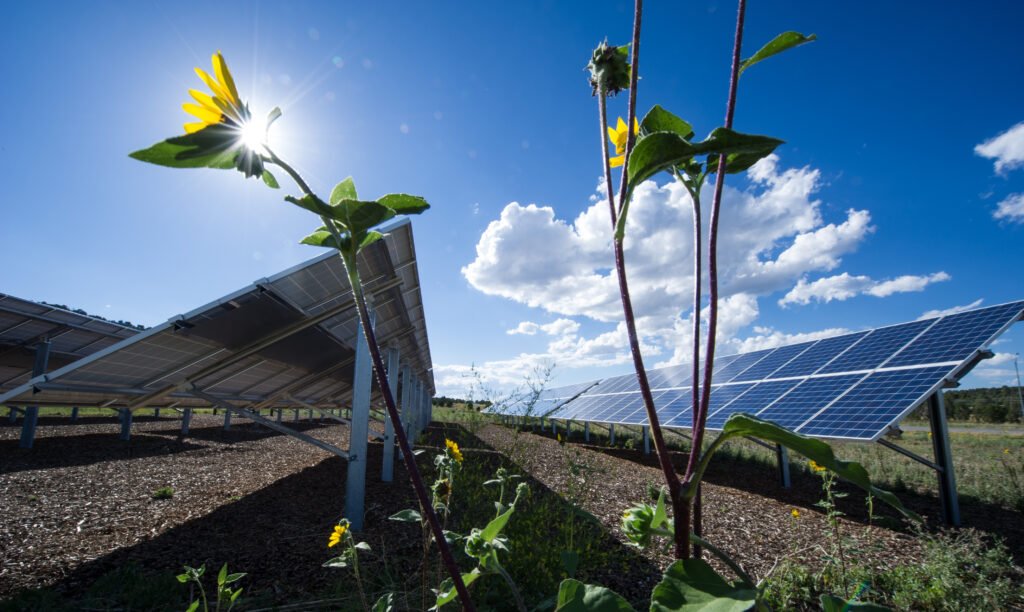
7 Signs You Already Have a Pest Problem
- Scratching or chirping sounds coming from the roof, especially at dawn
- Birds repeatedly landing on the roof edge and disappearing under the array
- Twigs, leaves, or nesting material protruding from panel edges
- Droppings streaked across panels or building up along the roofline
- Sudden production drop in your monitoring app (check the app before assuming the panels failed)
- Visible chew marks on conduit or wiring at the panel edge
- An inverter fault code mentioning arc fault, ground fault, or string failure
Even one of these = inspect now. Infestations compound quickly – a pair of pigeons will return to the same spot every season once established.Catching the problem early keeps your solar panel pest guard Long Island installation quick and affordable – waiting only raises the repair bill.
Solar Panel Pest Guard Long Island: How the Critter Guard Works
A pest guard – also called a critter guard – is a galvanized steel mesh (usually PVC-coated, black) installed around the outer edge of your array. It closes the gap without blocking airflow or shading the panels.
What a Quality Install Looks Like
- ½-inch PVC-coated steel mesh – small enough to block sparrows and chipmunks, durable 15+ years
- Clipped to the panel frame – uses specialized clips that grip the frame edge; no drilling into the panel
- Full perimeter coverage – including corners where birds squeeze in
- Roof-edge protection – mesh should also prevent pests from getting under the array from the roof surface
- Wiring secured first – any loose DC wiring is clipped and routed before the mesh goes on
Critical Warranty Warning
Never let anyone drill, screw, or adhesive-mount anything to the panel frame itself. Drilling into a panel frame can void your panel equipment warranty, void your workmanship warranty with the installer, and break the frame’s weather seal.
Professional installs use frame clips only. If you DIY, buy a clip-based kit – not a screw-based one.
Solar Panel Pest Guard Long Island: 2026 Cost Guide
| Factor | DIY Kit | Professional Install |
|---|---|---|
| Cost | $150–$400 | $450–$1,500 |
| Roof safety | You’re on a (possibly steep) roof | Trained, insured, harness-equipped crew |
| Warranty risk | High if you drill or clip incorrectly | Low — clip method, documented |
| Nest/infestation handling | Not included | Included with removal service |
| Durability of fitment | Varies with skill | Warranty-backed workmanship |
| Bottom line | Fine for ground-mounts & easy single-story roofs | Best for most Long Island homes |
Pricing factors: roof height and pitch (two-story + steep = more safety equipment = higher cost), linear feet of array perimeter, existing nests/debris to remove, and whether wiring needs repair first.
Perspective: A one-time $600–$900 guard install is cheap insurance against a $1,500 wiring repair – and a lot cheaper than a fire.
💡 Tip: In WordPress, paste tables using the Table block (type /table) with the numbers above.
DIY vs. Professional Installation
| Factor | DIY Kit | Professional Install |
|---|---|---|
| Cost | $150–$400 | $450–$1,500 |
| Roof safety | You’re on a (possibly steep) roof | Trained, insured, harness-equipped crew |
| Warranty risk | High if you drill or clip incorrectly | Low — clip method, documented |
| Nest/infestation handling | Not included | Included with removal service |
| Durability of fitment | Varies with skill | Warranty-backed workmanship |
| Bottom line | Fine for ground-mounts & easy single-story roofs | Best for most Long Island homes |
Honest advice: a single-story ranch with a gentle pitch? DIY is reasonable. Two-story colonial with a steep roof (most of Nassau/Western Suffolk)? Pay the professional — the cost difference is smaller than one ER visit.
Already Have Birds or Squirrels Nesting? Do This First
Installing a guard over an active nest traps the problem inside. The right sequence:
- Timing matters. Nest removal is best done in late fall or winter, before spring nesting season. Avoid disturbing active nests with eggs or chicks – both for humane reasons and because adult birds will fight to get back in.
- Remove all nesting material – not just the birds. Leftover twigs and debris hold moisture against your roof and wiring.
- Sanitize the area. Bird droppings are acidic and carry fungi; they should be cleaned off panels and wiring (professional cleaning recommended).
- Inspect and repair wiring before the mesh goes on. Guarding over damaged wiring hides the problem.
- Install the pest guard as the final step.
Building a New Solar System? Add the Guard on Day One
If you’re installing solar now, add the pest guard during the original installation – it’s dramatically cheaper when done alongside the install (no separate truck roll, no scaffolding twice), and some installers bundle it into the workmanship warranty.
Add it to your pre-install checklist:
- Ask the installer: “Is a critter guard included or available as an add-on?”
- Confirm they use clip-based attachment (no drilling)
- Ask what mesh material and expected lifespan
- Confirm it’s covered under their workmanship warranty
- Ask them to secure and clip all DC wiring under the array
Don't Forget These Other Under-Panel Invaders
- Wasps and yellow jackets – build papery nests in the same gap; guard mesh blocks them too
- Mice and rats – squeeze through surprisingly small gaps; same chewing risk as squirrels
- Raccoons – heavier and more destructive; can lift poorly secured mesh, so quality install matters
- Bees – generally leave them be if possible; a beekeeper relocation is the responsible route for honeybees
Does Insurance Cover Pest Damage to Solar Panels?
Usually no. Most homeowner’s policies treat pest damage, chewing, and nesting as preventable maintenance – not a covered peril. Storm damage is typically covered, but squirrel-chewed wiring generally is not. One more reason prevention beats claims.
FAQ: Solar Panel Pest Guard Long Island
How do I stop birds from nesting under my solar panels?
How much does a solar panel pest guard cost on Long Island?
Do critter guards void my solar panel warranty?
Can squirrels really damage solar panels?
When is the best time to install a pest guard?
Will a pest guard make my panels hotter or reduce output?
Long Island Pest Protection Checklist
A solar panel pest guard Long Island companies install usually takes just 2–4 hours for an average array – here’s your final checklist:
- Inspect under panel edges for nests, twigs, or droppings (binoculars work from the ground)
- Check your monitoring app for unexplained production drops or fault codes
- Look for chewed conduit or wiring at visible panel edges
- Trim tree branches at least 6–10 feet back from the roofline
- Move bird feeders well away from the array side of the house
- Schedule guard installation before spring (ideally Nov–Feb)
- Confirm clip-based (no-drill) installation to protect warranties
- Get a wiring inspection if squirrels have had access for a while
Disclaimer: Costs are estimates based on current Long Island market conditions and may vary by installer, roof type, and system size. Pest damage coverage depends on your individual insurance policy. Consult a licensed solar professional for a system-specific assessment.