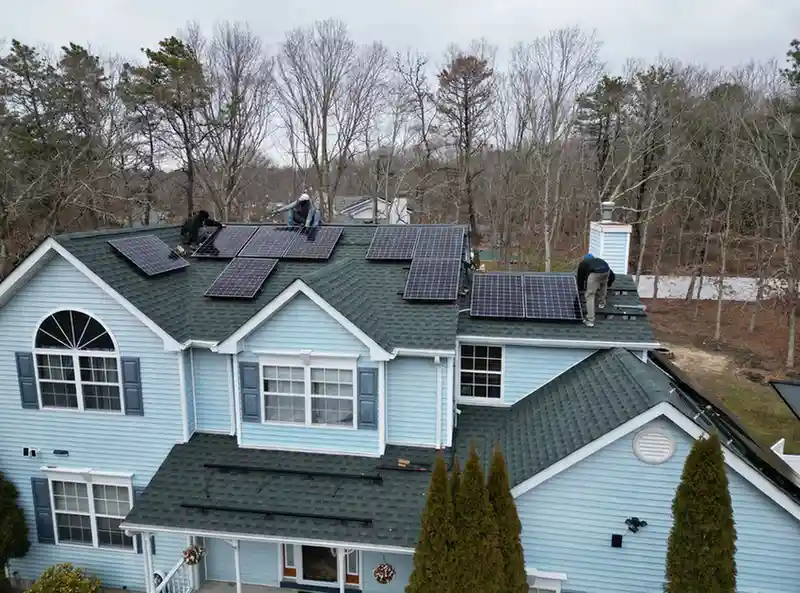
Solar panels are designed to produce electricity consistently, but there may be times when your system suddenly generates less power-or appears to stop producing power altogether.
If you notice a major drop in your solar production, don’t immediately assume that the panels themselves are damaged. Something as simple as dirt or shading can affect output, while issues with the inverter, wiring, monitoring system, or other equipment may require professional attention.
If your Solar Panels Stop Producing Power, here’s what you should check before calling for service.
1. Check Your Solar Monitoring System
Start with your monitoring app or system dashboard.
A sudden production drop is easier to identify when you compare today’s output with previous days under similar weather conditions.
Look for:
- A system or inverter error message
- Zero energy production during sunny hours
- Unusually low daily production
- Communication errors
- An offline monitoring system
Keep in mind that a monitoring problem doesn’t always mean your panels have stopped working. Sometimes the panels are producing electricity while the monitoring system isn’t communicating correctly.
2. Consider the Weather
Before assuming there is a technical problem, look at the weather.
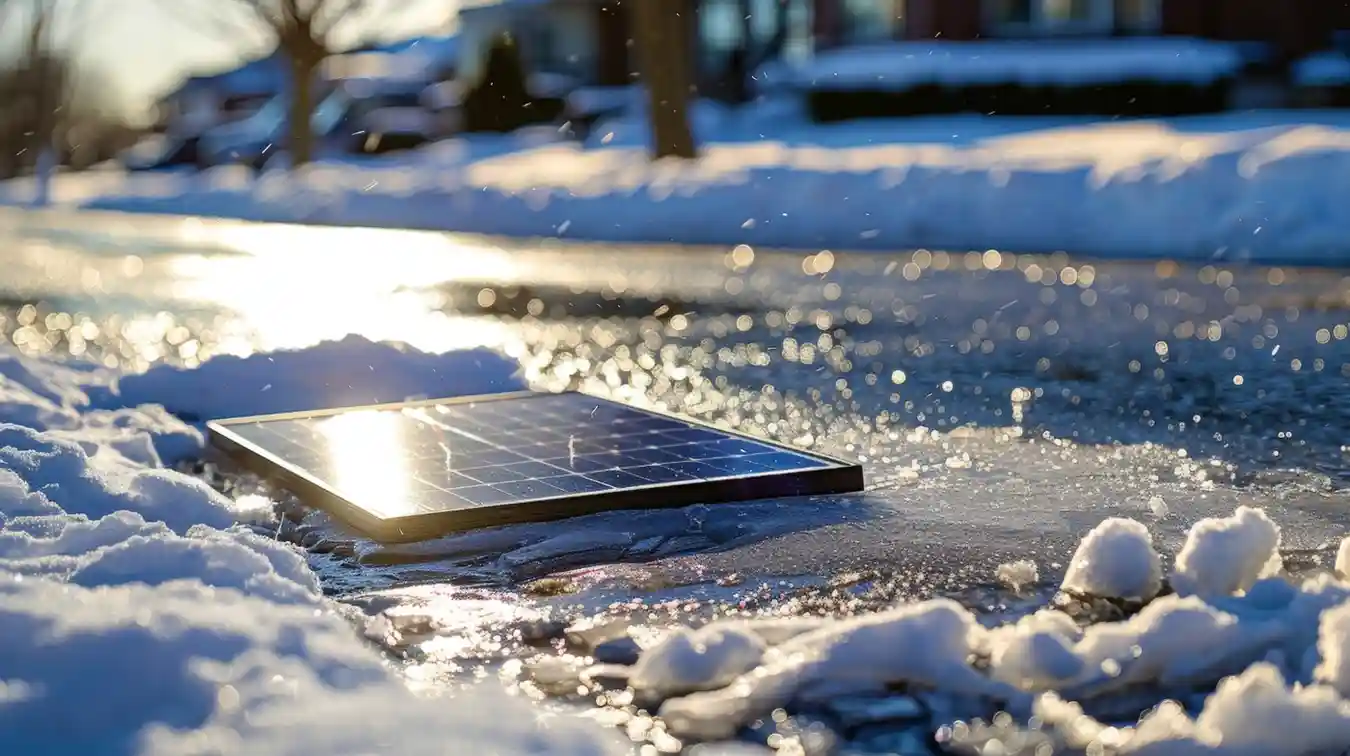
Clouds, heavy rain, storms, and shorter daylight hours can naturally reduce solar production. Solar panels don’t produce the same amount of electricity every day.
However, if production remains unusually low after the weather improves, it’s worth investigating further.
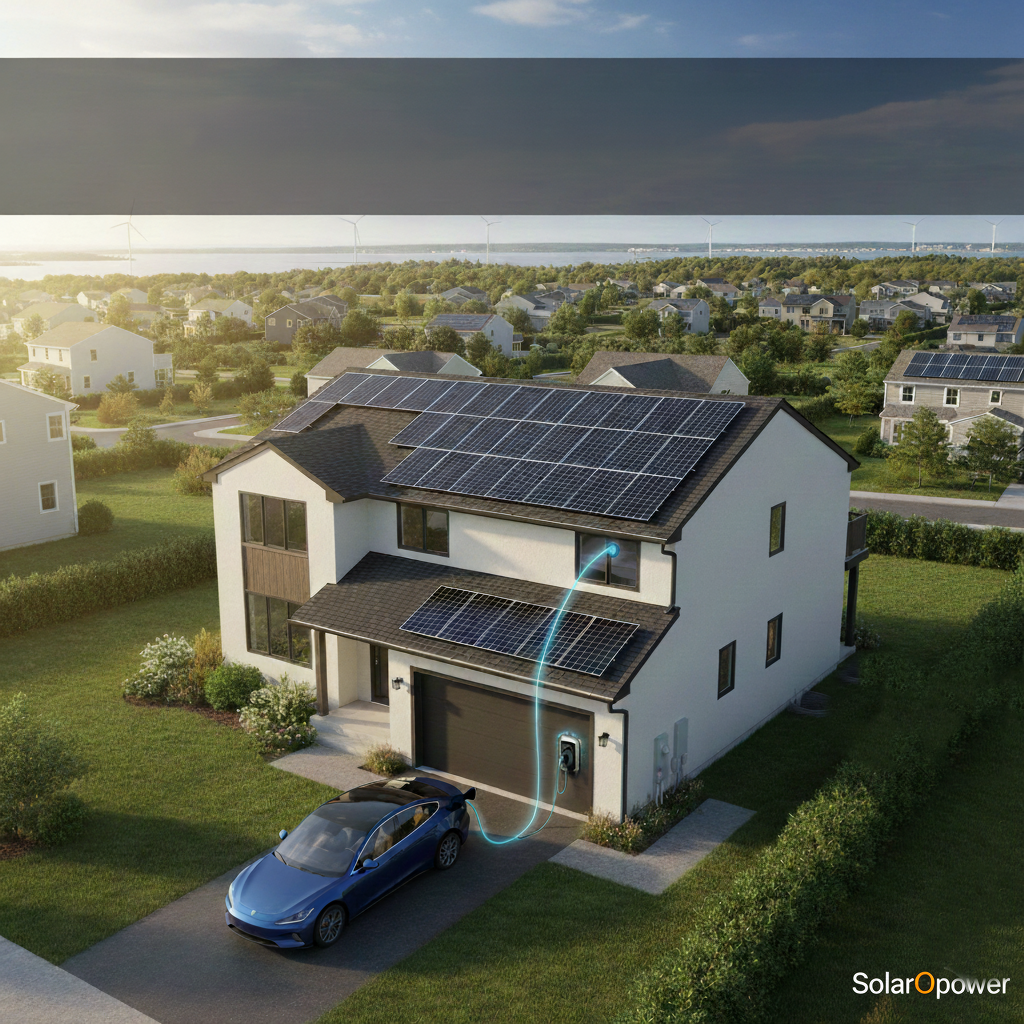
SolarOpower designs systems around factors such as roof characteristics, energy usage, and sunlight exposure, so production expectations can vary from one property to another.
3. Look for Dirt, Pollen, or Debris
Dirty panels can reduce the amount of sunlight reaching the solar cells.
This can be particularly relevant for Long Island homeowners because pollen, dust, salt residue, bird droppings, and other buildup can accumulate on panels. SolarOpower’s recent maintenance guidance recommends periodic cleaning depending on the property’s surroundings and roof conditions.
Check from a safe location for:
- Heavy dust
- Pollen buildup
- Bird droppings
- Leaves
- Other visible debris
Don’t climb onto your roof to clean the panels yourself. Roof work can be dangerous, and using unsuitable cleaning equipment or chemicals can damage the panels.
4. Check Whether Something Is Shading the Panels
Solar panels need adequate sunlight to produce electricity.
Trees that have grown taller, new construction, or other objects can create shadows that weren’t present when the system was installed.
If your system used to perform well but production has gradually declined, new shading is one factor worth checking.
A professional inspection can determine whether shading is affecting the system and whether trimming or another solution is appropriate.
5. Check the Inverter
The inverter is an important part of a solar energy system because it converts the electricity generated by the panels into usable electricity for the property.
If the inverter shows an error, warning, or unusual status, don’t attempt to repair electrical equipment yourself.
Instead, record the error message or take a photo of the display and contact your solar installer or qualified technician.
SolarOpower provides solar system maintenance and repair services, including system checks and performance reviews.
6. Check Your Home's Electrical Panel
A tripped breaker can sometimes affect part of a solar installation.
If you notice something unusual with your electrical system, check whether there are obvious warning signs or tripped breakers.
However, don’t open electrical equipment or attempt electrical repairs yourself.
If you’re unsure what you’re looking at, leave the system alone and contact a qualified professional.
7. Check Whether the Problem Is With Production or Monitoring
his is an important distinction.
Your monitoring app may show no recent production even though the system itself is functioning. A communication problem between the monitoring equipment and the app can make it appear that your panels have stopped producing power.
That’s why troubleshooting should involve both:
Actual solar production + monitoring information
A technician can determine whether the issue is with the panels, inverter, communication equipment, or another part of the system.
8. Think About Recent Power Outages
If your home recently experienced a power outage, your solar system may behave differently from normal.
A standard grid-connected solar system generally shuts down during a grid outage for safety reasons. Solar panels alone don’t automatically provide backup electricity during an outage.
A properly designed system with battery storage can provide backup power during an outage, depending on the battery capacity and system configuration.
SolarOpower offers hybrid and battery-storage solutions designed to provide backup power when the grid goes down.
9. Don't Ignore a Sudden Production Drop
A small change in production from one day to another isn’t necessarily a reason to worry.
But a significant and persistent drop deserves attention.
For example, if:
- The weather is sunny
- Your panels are not visibly obstructed
- Your system previously produced normally
- Your monitoring system shows unusually low output
then it’s a good idea to have the system checked.
Finding the cause early can help prevent a small issue from becoming a larger system problem.
When Should You Call a Solar Professional?
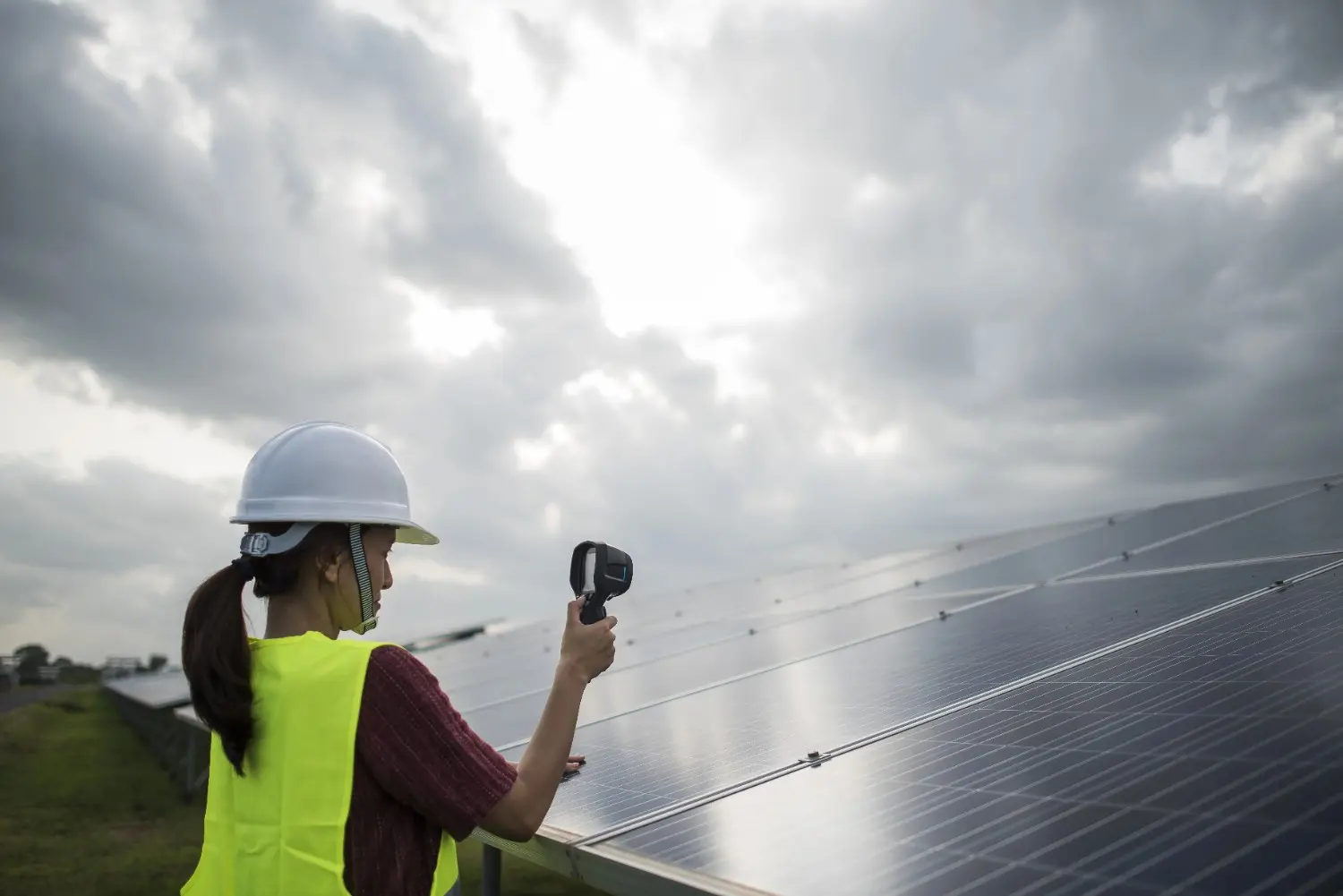
You should consider professional assistance when your solar panels continue to produce significantly less electricity than expected, particularly if the problem doesn’t improve after weather conditions return to normal.
Professional inspection may be needed if you notice:
- Persistent low production
- Inverter error codes
- Repeated system shutdowns
- Damaged panels
- Loose or damaged components
- Monitoring problems
- Unexpected changes in energy production
SolarOpower provides ongoing system support and performance monitoring as part of its solar services.
How to Prevent Solar Production Problems
You can’t prevent every solar-system problem, but regular attention can help you identify issues earlier.
A simple maintenance routine can include:
Monitor production: Check your solar production periodically instead of waiting for your electricity bill to reveal a problem.
Keep an eye on the panels: Look for visible dirt, debris, or new shading from a safe location.
Pay attention to unusual changes: A sudden production decline is worth investigating.
Schedule professional inspections: Routine checks can help identify problems before they become more serious.
Keep your system information: Save your installation documents, equipment details, warranty information, and service contacts.
SolarOpower recommends regular checks, cleaning, and performance reviews as part of maintaining solar-system performance.
Final Thoughts
If your solar panels stop producing power, don’t assume that you need a completely new system.
Start by checking the weather and monitoring system, look for obvious shading or buildup, and pay attention to any inverter warnings. If production remains unusually low, professional troubleshooting is the safest way to identify the actual cause.
For Long Island homeowners, regular maintenance and performance monitoring can help keep a solar investment working efficiently over the long term.
If you’re experiencing an unexplained drop in solar production, SolarOpower can assess your system and help identify the next step.