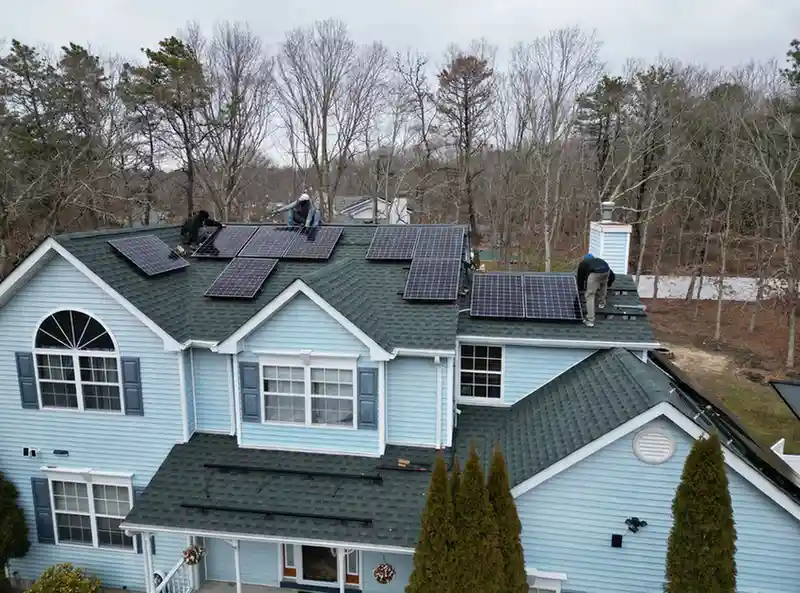
How Do Solar Panels Generate Power When It's Cloudy?
Yes, solar panels work in rain – they still generate electricity during rainy weather, just less of it. On a heavy rain day, output typically drops to around 10–25% of a panel’s rated capacity, and on overcast or lightly rainy days it can run 30–50%. For Long Island homeowners weighing solar ahead of nor’easters, spring storms, or a soggy August, the short version is this: rain doesn’t shut your system down, it just slows it down, and your annual production numbers already account for that.
Below, SolarOPower breaks down exactly how and why solar panels work in rain, what it means for your electric bill, and what Long Island’s specific climate and utility rules mean for your solar investment.
How Do Solar Panels Generate Power When It’s Cloudy?
Solar panels don’t need direct, unobstructed sunlight to work -they need photons.
- Photovoltaic (PV) cells respond to both direct light (unobstructed rays) and diffuse light (sunlight scattered by clouds and moisture in the air).
- On a rainy day, diffuse light still reaches your roof, just at a much lower intensity.
- Your inverter converts whatever DC electricity the panels produce into usable AC power, regardless of how much or little that is.
In short: the chemistry behind how solar panels work in rain doesn’t switch off in bad weather. The fuel supply just shrinks.
How Much Less Power Do Panels Make in the Rain?
Production loss scales with how dark and heavy the storm is, not just whether it’s “raining.”
- Light rain / overcast skies: roughly 30–50% of peak output
- Heavy, sustained rain: roughly 10–25% of peak output
- Passing showers between sun breaks: minimal daily impact, since output rebounds fast once skies clear
A single rainy day rarely matters financially. What matters more is the average across a full year – a number SolarOPower calculates using historical local weather data before you ever sign a contract.
Does Rain Actually Help Your Solar Panels?
It’s not all downside. Rain does one useful thing: it rinses your panels.
- Pollen, dust, salt spray, and bird droppings all reduce output by creating a film over the glass.
- A good rainfall acts like a free maintenance wash, restoring lost efficiency once the storm passes.
- This is especially relevant near the coast, where salt air builds up on panel surfaces faster than it does inland.
So while the storm itself trims output, the days right after a rain often perform slightly better than they would have otherwise – one more reason solar panels work in rain in ways homeowners don’t expect.
What About Nor’easters, Hurricanes, and Long Island Storm Season?
Long Island’s rainy stretches usually come from spring storm systems, summer thunderstorms, and the occasional tropical system or nor’easter in fall. A few things matter here beyond simple output loss:
- Wind and structural durability: Panels installed to code hold up well in high winds; the glass is built to resist hail and flying debris.
- Grid outages, not panel failure, cause most storm-related power loss. If PSEG Long Island’s grid goes down, a standard grid-tied solar system without battery storage shuts off automatically for safety, even if the sun is shining.
- Battery backup changes the equation. Pairing panels with a Solar O Power home battery lets you keep essential circuits running during a PSEG outage, which matters more on Long Island than the rain itself.
Do Cloudy Long Island Winters Cancel Out Solar Savings?
No. Solar sizing is done on annual production, not single-day performance.
- Solar O Power calculates your system size using a full year of local irradiance data, factoring in Long Island’s average cloud cover, rain days, and seasonal sun angle.
- Longer summer days and stronger summer sun typically offset weaker winter and rainy-season output.
- Net metering through PSEG Long Island lets you bank credit from high-production days against lower-output days, so your system is designed around yearly totals, not daily weather.
Pros and Cons of Solar in a Rain-Prone Climate
Understanding how solar panels work in rain helps homeowners weigh the pros and cons of going solar in a rain-prone climate like Long Island’s
Pros:
- Panels keep producing electricity in every season, just at varying rates
- Rain naturally cleans panel surfaces
- Annual sizing already accounts for cloudy and rainy days
- Modern panels absorb a broader range of light wavelengths than older models, improving low-light performance
Cons:
- Multi-day storm systems reduce short-term output
- Grid-tied systems without a battery still go dark during a utility outage
- Coastal wind and salt exposure require Long Island–appropriate mounting hardware and coatings
Frequently Asked Questions
Do solar panels work on cloudy days?
Yes. Cloudy-day output usually runs 30–50% of peak capacity, since diffuse sunlight still reaches the panels.
Do I need a battery for rainy or stormy weather on Long Island?
Not to generate power, but a battery is the only way to keep your home running if PSEG Long Island’s grid goes down during a storm.
Will rain damage my solar panels?
No. Panels are sealed, weatherproofed, and rated to handle rain, hail, and wind well beyond typical Long Island storm conditions.
Does snow affect solar panels more than rain?
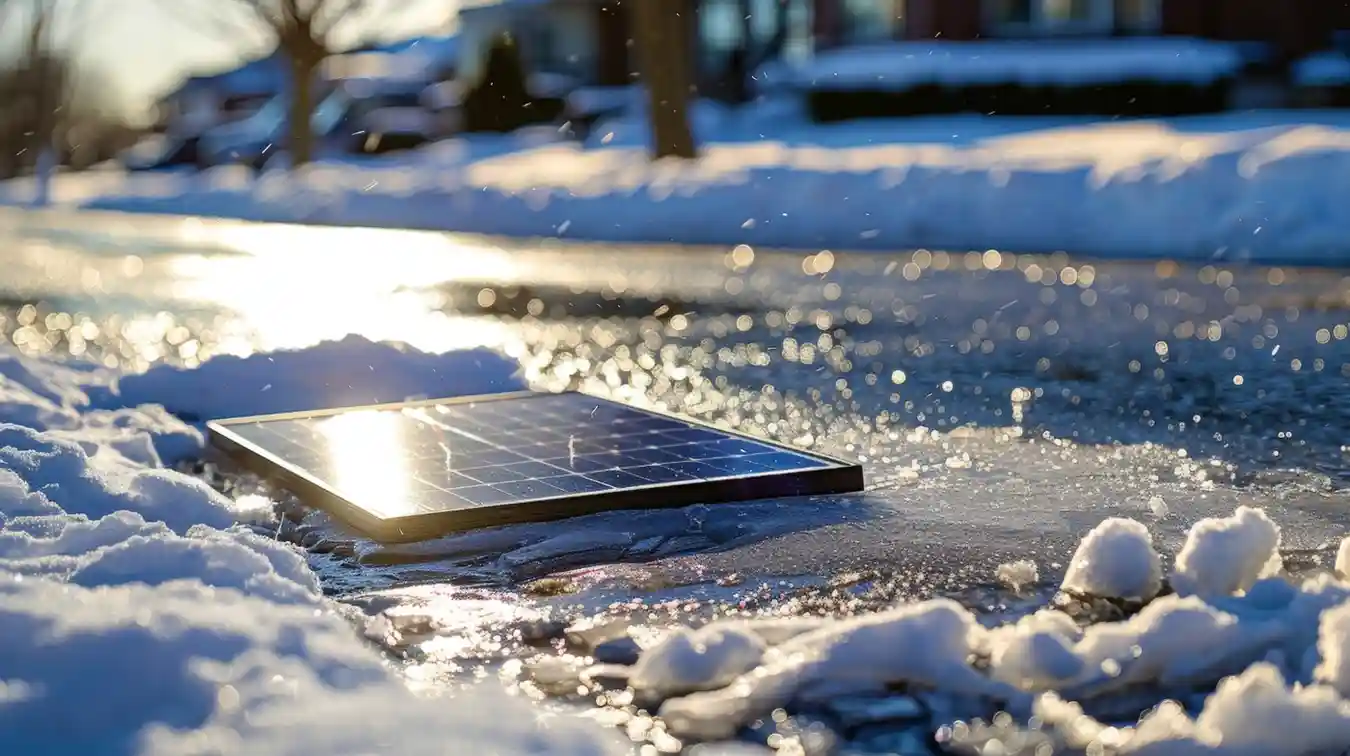
Snow can temporarily block panels entirely until it slides off, whereas rain reduces output without fully covering the surface. Both are accounted for in seasonal production estimates.
How does net metering handle low-production rainy days?
PSEG Long Island credits any excess solar you generate on strong-sun days. Those credits offset the lower output you get during rain, so your bill reflects your annual balance, not each day individually.
Is Long Island’s climate good enough for solar overall?
Yes. Despite periodic rain and cloud cover, Long Island gets enough annual sun exposure to make solar a strong investment, especially given the area’s above-average electricity rates.
The Bottom Line
Rainy weather is a normal, already-priced-in part of owning solar on Long Island. Solar panels work in rain – your system’s annual output is designed around real local weather patterns, and net metering smooths out the day-to-day swings. The bigger question for most homeowners isn’t whether solar works in the rain, it’s how to size a system correctly for Long Island’s specific mix of sun, storms, and salt air, which is exactly where SolarOPower’s local installer expertise matters most.
Get a free solar assessment from Solar O Power and find out exactly how your home would perform, rain or shine.