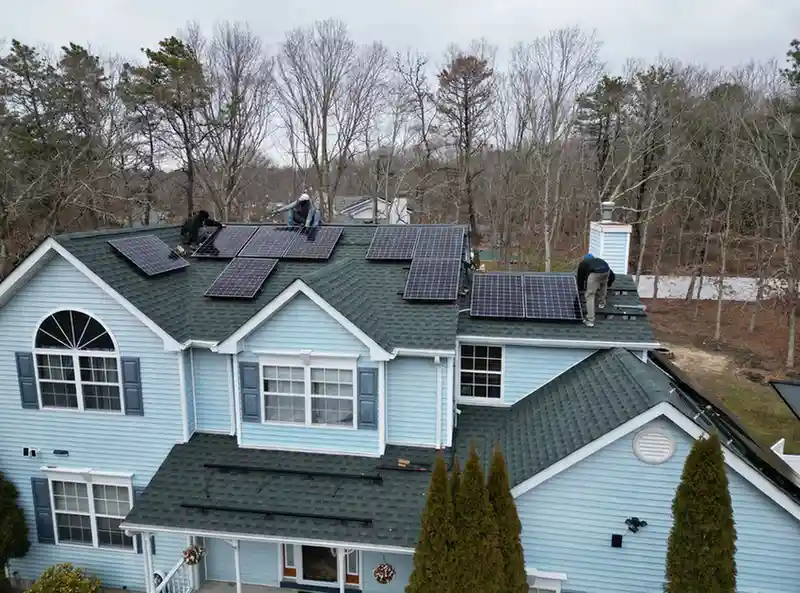
Most Long Island homeowners see a solar payback period long island of 7 to 12 years, depending on electricity usage, system size, incentives, and PSEG Long Island billing credits.
If you’re considering solar for your Long Island home, one of the most important questions is:
How long does it take for solar panels to pay for themselves?
The answer is known as the solar payback period. Understanding the Solar Payback Period Long Island homeowners can expect starts with knowing what it actually measures. It refers to the amount of time it takes for the financial benefits of a solar energy system to recover the homeowner’s initial investment.
For Long Island homeowners, the Solar Payback Period Long Island depends on several factors, including household electricity consumption, solar energy production, utility rates, available incentives, system performance, and how much electricity the system offsets.
Understanding these factors can help you determine whether solar is a good long-term energy decision for your home.

What Is a Solar Payback Period?
Definition: The solar payback period is the amount of time it takes for a solar system’s cumulative electricity savings to equal its total installation cost.
For example, if a homeowner invests in a solar system and receives consistent annual electricity savings, the payback period is reached when those accumulated savings equal the initial investment.
After the payback point, the electricity generated by the system can continue providing financial benefits throughout its useful life.
This makes the payback period an important metric when evaluating solar as a long-term energy investment.
What Is the Typical Solar Payback Period Long Island Homeowners See?
There isn’t one universal Solar Payback Period Long Island homeowner. A typical residential solar project may have a payback period of approximately 7 to 12 years, although individual results can vary considerably.
Your actual timeline depends on how much electricity your household uses, how much electricity your solar system generates, your home’s roof orientation, shading around the property, system efficiency, electricity rates, available incentives, financing arrangements, and changes in household electricity consumption.
Instead of relying on an average number, homeowners should request a property-specific solar analysis.
Why Does Solar Payback Matter?
The payback period helps homeowners understand when their solar investment is expected to recover its initial value. However, it shouldn’t be the only metric you consider.
Solar panels can continue generating electricity for many years after reaching their payback point. Therefore, a homeowner should also consider long-term energy savings, expected system lifespan, solar panel degradation, equipment warranties, future electricity consumption, energy independence, and potential increases in electricity rates.
A longer payback period does not automatically mean that solar is a poor investment.
7 Factors That Affect Solar Payback Period Long Island
Factor: Household Electricity Usage
Impact: Higher usage means more electricity your solar system can offset, which can shorten payback time.
Factor: Solar Energy Production
Impact: Determined by roof orientation, pitch, shade, and system size — directly affects annual savings.
Factor: Roof Orientation and Shading
Impact: South-facing, unshaded roofs produce more energy and reach payback faster.
Factor: Electricity Rates
Impact: Higher grid rates increase the value of every kilowatt-hour your system produces.
Factor: Solar Incentives
Impact: Federal and New York State incentives reduce upfront cost and shorten payback time.
Factor: Changes in Electricity Consumption
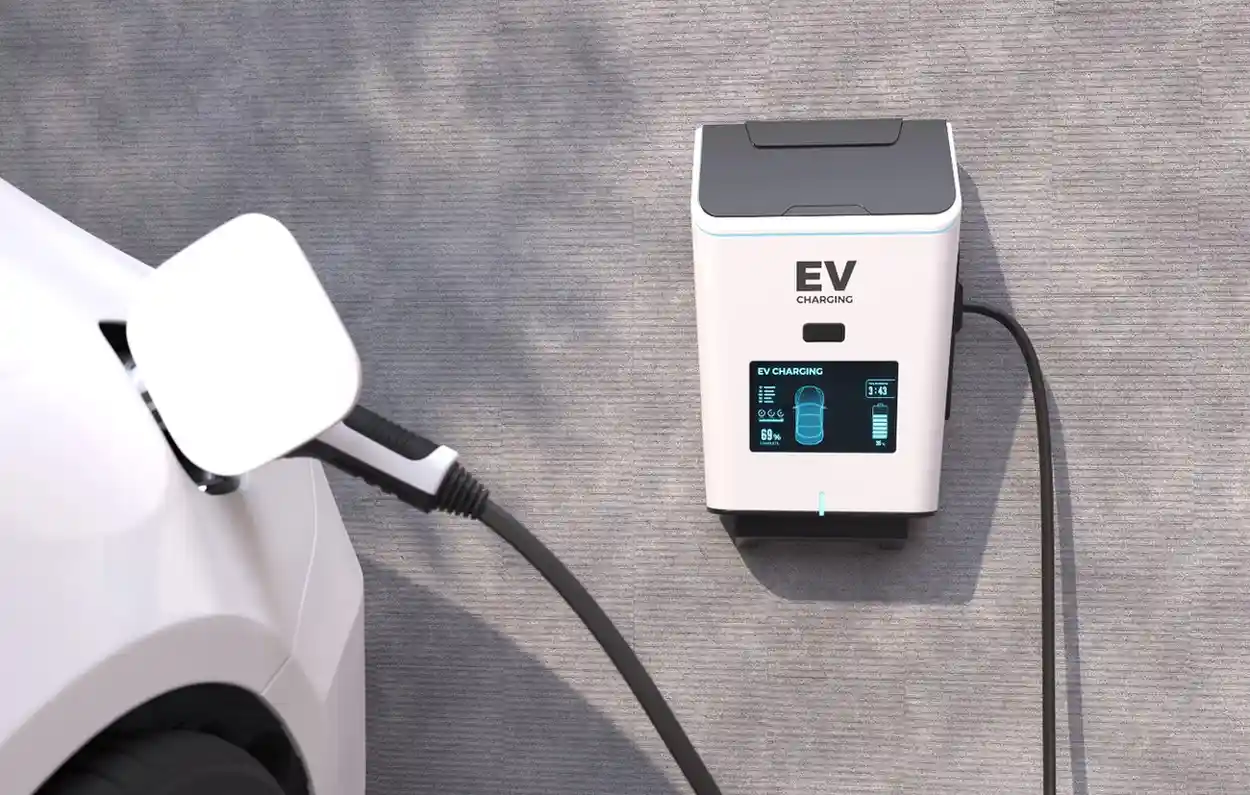
Impact: Adding an EV or heat pump later can increase usage and extend or shift payback timing.
Factor: Solar System Performance
Impact: Panel degradation and equipment quality affect long-term output and total savings.
Your Household Electricity Usage
Your electricity consumption plays a major role in determining the potential value of solar. Homes with higher electricity usage may have greater opportunities to offset electricity purchased from the utility.
Your consumption may be influenced by air conditioning, electric heating, swimming pools, electric water heating, EV charging, home size, and number of occupants.
Reviewing at least 12 months of electricity usage can provide a much better picture of your home’s solar requirements.
Solar Energy Production
The amount of electricity your solar panels generate directly affects your potential savings. Solar production depends on roof orientation, roof pitch, shade, panel placement, system size, panel efficiency, and local weather conditions.
A professional site assessment can identify shading and roof characteristics that may affect annual production.
Roof Orientation and Shading
Not every roof is equally suitable for solar. A roof with good sun exposure and minimal shading can generally provide stronger solar production than a roof surrounded by trees or buildings.
Before installing solar, your installer should assess trees, chimneys, nearby buildings, roof sections, seasonal shading, and available roof area.
These details help determine how much energy your system can realistically produce.
Electricity Rates
Solar savings are closely connected to the amount you would otherwise spend purchasing electricity from the grid. When electricity rates change, the potential value of solar generation can also change.
For Long Island homeowners, understanding your current electricity usage and utility billing structure is therefore an important part of evaluating solar.
Solar Incentives
Available incentives can reduce the effective investment required for a qualifying solar installation and potentially shorten the payback period.
New York offers various clean-energy incentives and programs, while federal incentives may also apply depending on the homeowner’s circumstances and project timing.
Because incentive eligibility and rules can change, homeowners should verify current requirements before making a decision.
Changes in Electricity Consumption
Your electricity needs may change after installing solar. For example, a homeowner might later purchase an electric vehicle, install a heat pump, or switch to additional electric appliances.
These changes can increase electricity consumption and alter how much energy the solar system offsets.
For this reason, solar planning should consider not only your current electricity usage but also your expected future needs.
Solar System Performance
Solar panels gradually lose a small amount of production capability over time. This is known as solar panel degradation. Most modern solar panels retain 80 to 90 percent of their original output after 25 years, according to standard manufacturer warranties.
Modern solar panels are designed to provide electricity for decades, and manufacturers commonly provide long-term performance warranties.
When evaluating solar payback, it is useful to consider expected production over the entire system life rather than looking only at the first year.
How Does PSEG Long Island Affect Solar Payback?
PSEG Long Island’s solar billing and energy-credit structure can influence the financial value of solar for homeowners.
When a grid-connected solar system produces more electricity than the home is using, excess generation can result in energy credits that are applied toward future bills under applicable PSEG Long Island rules.
This means your home’s electricity consumption pattern matters. For example, solar electricity generated during the day may be used directly by your home. When production exceeds household consumption, eligible excess generation can interact with the utility’s billing system.
Homeowners should review the current PSEG Long Island rules when evaluating a solar project because utility programs and compensation structures can change.
Does Solar Payback Mean Your Electricity Bill Goes to Zero?
Not necessarily. Solar can significantly reduce the amount of electricity you need to purchase from the grid, but it doesn’t automatically eliminate every charge associated with your electric service.
Your actual bill depends on your solar production, household consumption, utility billing structure, and applicable credits.
For this reason, it is better to think of solar as a way to reduce long-term electricity purchases rather than assuming it will completely eliminate your electric bill.
Does Battery Storage Affect Solar Payback?
Adding a solar battery changes the economics of a solar project. A battery allows homeowners to store electricity generated during periods of solar production and use that stored energy later.
Battery storage may provide backup power during outages, greater use of self-generated solar electricity, energy management, and potential participation in utility programs.
PSEG Long Island currently has a Battery Storage Rewards program for eligible participating customers through approved aggregators.
Because battery storage has benefits beyond electricity savings, homeowners should evaluate the battery’s financial and backup-power value separately from the solar-only payback period.
How Can You Improve Your Solar Payback Period?
Several strategies can help maximize the financial performance of a solar system.
Choose the Right System Size
A system should be designed around your actual electricity consumption and expected future needs.
Installing a system that is too small may leave you purchasing more electricity from the grid than necessary.
Installing a system that is unnecessarily large may not provide the best use of your investment.
Reduce Household Energy Consumption
Energy efficiency can work alongside solar.
Consider:
- LED lighting
- Efficient appliances
- Smart thermostats
- Improved insulation
- Energy-efficient HVAC equipment
- Managing high-energy appliances
Reducing unnecessary electricity consumption can make your home more energy efficient while allowing your solar system to cover a larger portion of your remaining electricity needs.
Maintain Your Solar System
Solar panels generally require relatively little maintenance, but keeping the system in good working condition is important.
Homeowners should monitor system performance and investigate significant changes in electricity production.
Professional inspections may also be useful if performance unexpectedly declines.
Is Solar Worth It for Long Island Homeowners?
For many homeowners, solar can be an attractive long-term energy solution.
However, the decision should be based on your specific property rather than a generic payback number.
Consider:
- Annual electricity consumption
- Solar production potential
- Roof condition
- Shading
- Utility billing
- Available incentives
- Expected system lifespan
- Future energy requirements
- Backup-power needs
A professional solar assessment can help you understand how these factors apply to your home.
Frequently Asked Questions
How long does it take for solar panels to pay for themselves in Long Island?
What is the solar payback period?
Does higher electricity usage make solar more valuable?
Does roof shading affect solar payback?
Does PSEG Long Island give credits for excess solar generation?
Does adding a battery change the solar payback period?
Can solar panels still provide savings after the payback period?
How can I find my home's solar payback period?
Final Thoughts
The solar payback period in Long Island is an important part of evaluating a solar investment, but it is only one piece of the overall picture.
Your home’s electricity consumption, solar production, roof conditions, utility billing, incentives, and future energy needs can all influence the timeline.
Rather than relying on a generic estimate, homeowners should obtain a customized solar analysis based on their property’s actual energy profile.
With the right system design and realistic expectations, solar can become a long-term strategy for reducing reliance on grid electricity and managing future energy expenses.