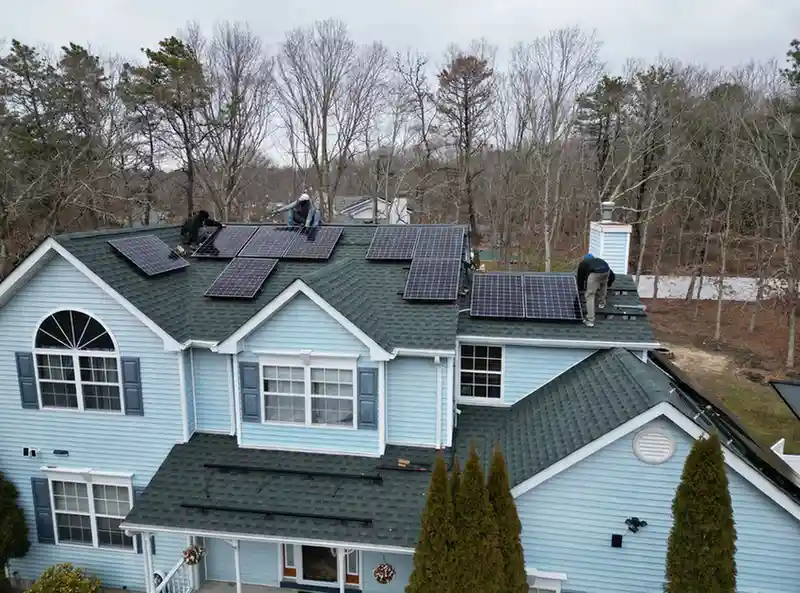
Solar panel warranties on Long Island typically include three separate coverages – a 25-year equipment and performance warranty from the manufacturer, and a 2 to 25 year workmanship warranty from your installer. Storm and weather damage are usually not covered.
When you invest in a solar system, the warranty is just as important as the panels themselves. Understanding solar panel warranty Long Island coverage before you sign a contract can save you from costly surprises years down the road.
If you’re still deciding how to pay for your system, our guide to solar financing options Long Island homeowners can choose from covers loan, lease, and cash purchase trade-offs.
Solar warranties are not one simple document. They are actually a combination of several different coverages, each protecting a different part of your system for a different length of time. This guide breaks down exactly what is covered, what is not, and what Long Island homeowners should ask before installing solar.
The 3 Types of Solar Panel Warranty Coverage
There are three separate types of solar panel warranty Long Island installers typically offer, and each one covers something different.
Coverage Type: Equipment Warranty
What It Covers: Manufacturing defects like faulty wiring, glass cracking, or frame corrosion
Typical Length: 10 to 12 years (up to 25 years for premium brands)
Coverage Type: Performance Warranty
What It Covers: Guaranteed minimum electricity output over time
Typical Length: 25 years, with output guarantees at year 10 and year 25
Coverage Type: Workmanship Warranty
What It Covers: Installation labor, roof leaks, mounting, and wiring errors
Typical Length: 2 to 25 years, set by your installer, not the manufacturer
The equipment warranty covers manufacturing defects in the physical panel itself, such as faulty wiring, glass cracking under normal conditions, or frame corrosion not caused by weather damage. This typically runs 10 to 12 years from most manufacturers, though some premium brands now offer up to 25 years. Most manufacturers publish their exact warranty terms publicly – the U.S. Department of Energy’s solar consumer guide is a useful independent resource for comparing standard industry terms.
The performance warranty guarantees that your panels will continue producing a minimum percentage of their original output over time. Most manufacturers guarantee around 90 percent output at year 10 and 80 to 85 percent output at year 25, since panels naturally degrade a small amount each year.
The workmanship or installation warranty covers the labor and installation itself, protecting against roof leaks, mounting issues, or wiring errors caused by the installer. This is usually offered separately by your installer, not the panel manufacturer, and can range from 2 to 25 years depending on the company.
What a Solar Warranty Typically Does Not Cover
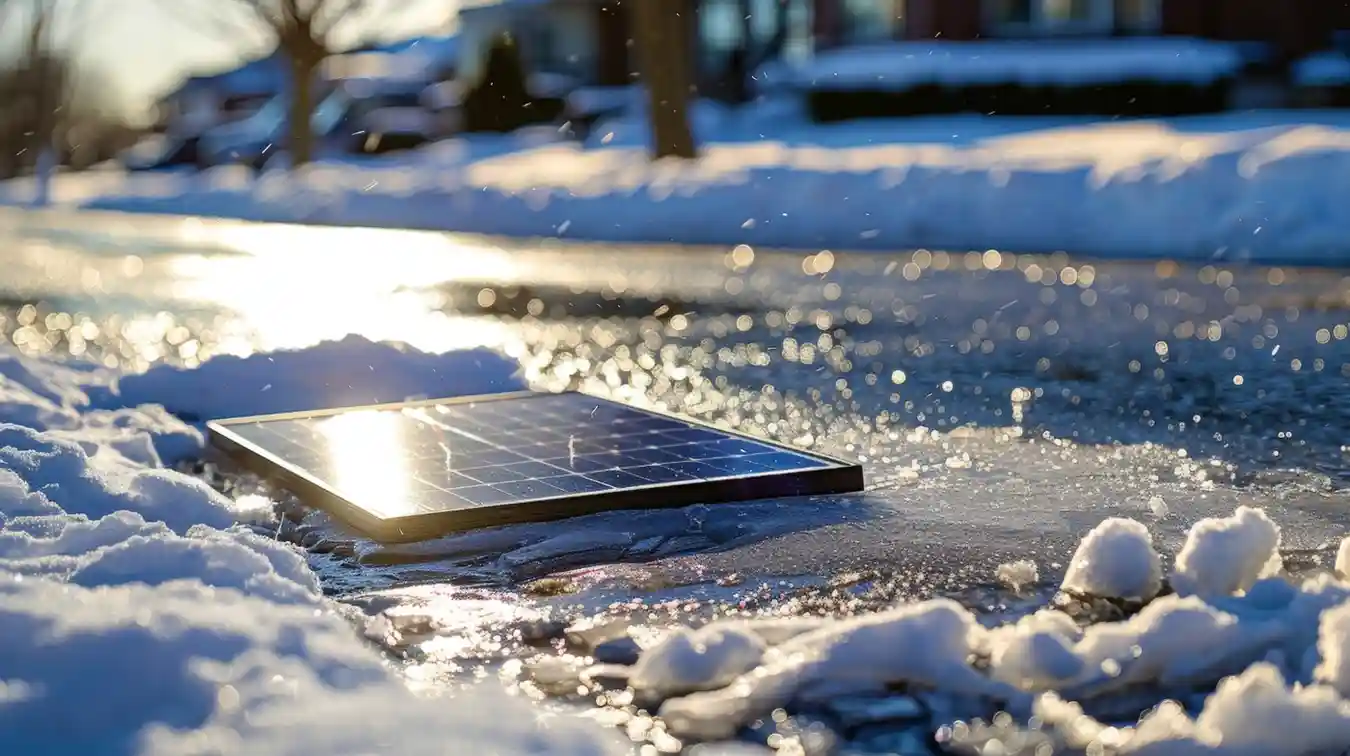
Most standard equipment and workmanship coverage does not include damage from severe weather events, though some installers offer optional storm protection add-ons, which can be worth considering given Long Island’s exposure to hurricanes and nor’easters.
Physical damage from falling branches, hail beyond the tested rating, or accidental impact is generally not covered under a standard solar panel warranty Long Island manufacturers provide. This type of damage typically falls under your homeowners insurance policy instead.
Damage caused by improper installation from an unlicensed or inexperienced contractor may void your equipment warranty entirely, which is why choosing a certified installer matters as much as choosing the panel brand.
Unauthorized modifications, such as adding equipment not approved by the manufacturer or attempting DIY repairs, can also void coverage. Always contact your installer before making any changes to your system.
Comparing this coverage across brands is one of the most important steps in evaluating any solar panel warranty Long Island homeowners are offered.
What Happens If Your Installer Goes Out of Business?
Knowing these exclusions in advance is just as important as understanding what your solar panel warranty Long Island coverage actually includes.
If your solar installer goes out of business, your equipment warranty from the panel manufacturer typically remains valid, since it is backed by the manufacturer rather than the installer. However, your workmanship warranty may become difficult to enforce if the original installing company is no longer operating.
This is one of the most important reasons to choose an established, reputable local installer rather than the lowest bidder, since a stable company is more likely to honor warranty claims for the full term.
Questions to Ask Before You Sign a Solar Contract
Before signing a contract, homeowners should confirm exactly what is included by asking their installer several key questions.
Ask for the exact number of years covered under the equipment, performance, and workmanship warranties separately, since these are rarely the same length.
Ask whether the workmanship warranty is backed by the installer directly or through a third-party insurance-backed warranty program, since the latter offers protection even if the installer closes.
Ask what specific events or damages are excluded from coverage, particularly storm and weather-related exclusions relevant to Long Island’s climate.
Ask how warranty claims are filed and how long the typical response and repair timeline takes.
How to File a Solar Warranty Claim
If a warranty claim becomes necessary, start by documenting the issue with photos and a written description, then contact your installer directly, since most workmanship claims are handled through them first.
For equipment defects, your installer can usually assist in contacting the manufacturer directly, though some manufacturers also allow homeowners to file claims independently.
Keep all original paperwork, including your contract, warranty certificates, and proof of installation date, since this documentation is often required to process a claim.
What Does a Strong Solar Warranty Look Like?
A strong solar panel warranty Long Island homeowners can rely on typically includes at least 25 years of equipment and performance coverage from a reputable manufacturer, combined with a workmanship warranty of 10 years or more from a licensed, established local installer.
A longer warranty also affects your solar payback period Long Island homeowners can expect, since fewer out-of-pocket repairs mean faster overall returns.
Homeowners should be cautious of installers offering unusually short workmanship terms, since this can be a sign of lower confidence in their own installation quality.
Frequently Asked Questions
How long does a typical solar panel warranty last in Long Island?
Does solar warranty cover storm damage?
What happens to my warranty if my installer goes out of business?
Can I lose my solar warranty by making changes to my system?
What is the difference between an equipment warranty and a performance warranty?
Does a longer warranty mean a better solar company?
Choosing the right solar panel warranty Long Island coverage protects your investment for decades, not just your panels. Contact Solar O Power today to review exactly what warranty coverage comes with your system before you install.
Reviewed by the SolarOPower team based on current manufacturer and installer warranty standards.