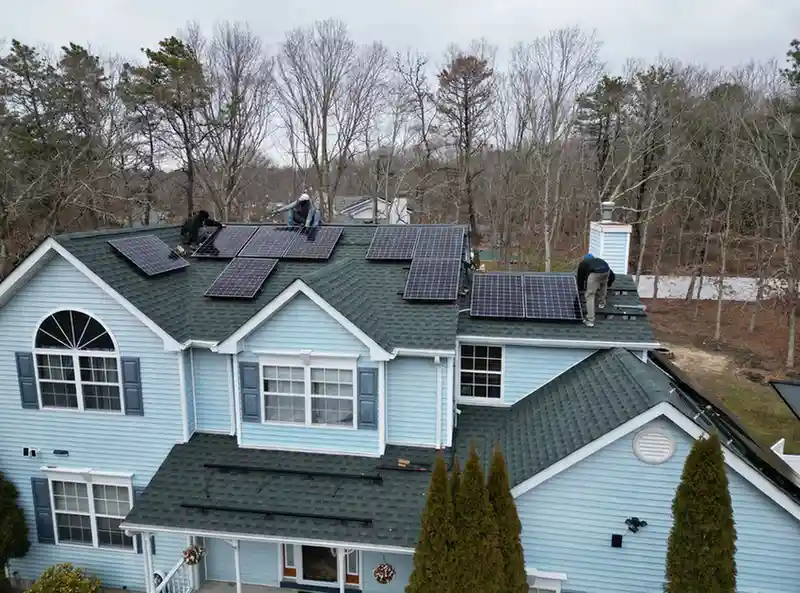
If a storm damaged your solar system, here’s the short answer: most homeowners insurance policies cover solar panel damage from wind, hail, and lightning once the panels are installed, but you’ll need to document the damage, contact your insurer, and often get a manufacturer or installer inspection before your solar panel insurance Long Island claim gets approved. This guide walks through what’s actually covered and how to file a claim step by step.

Does Homeowners Insurance Cover Solar Panels on Long Island?
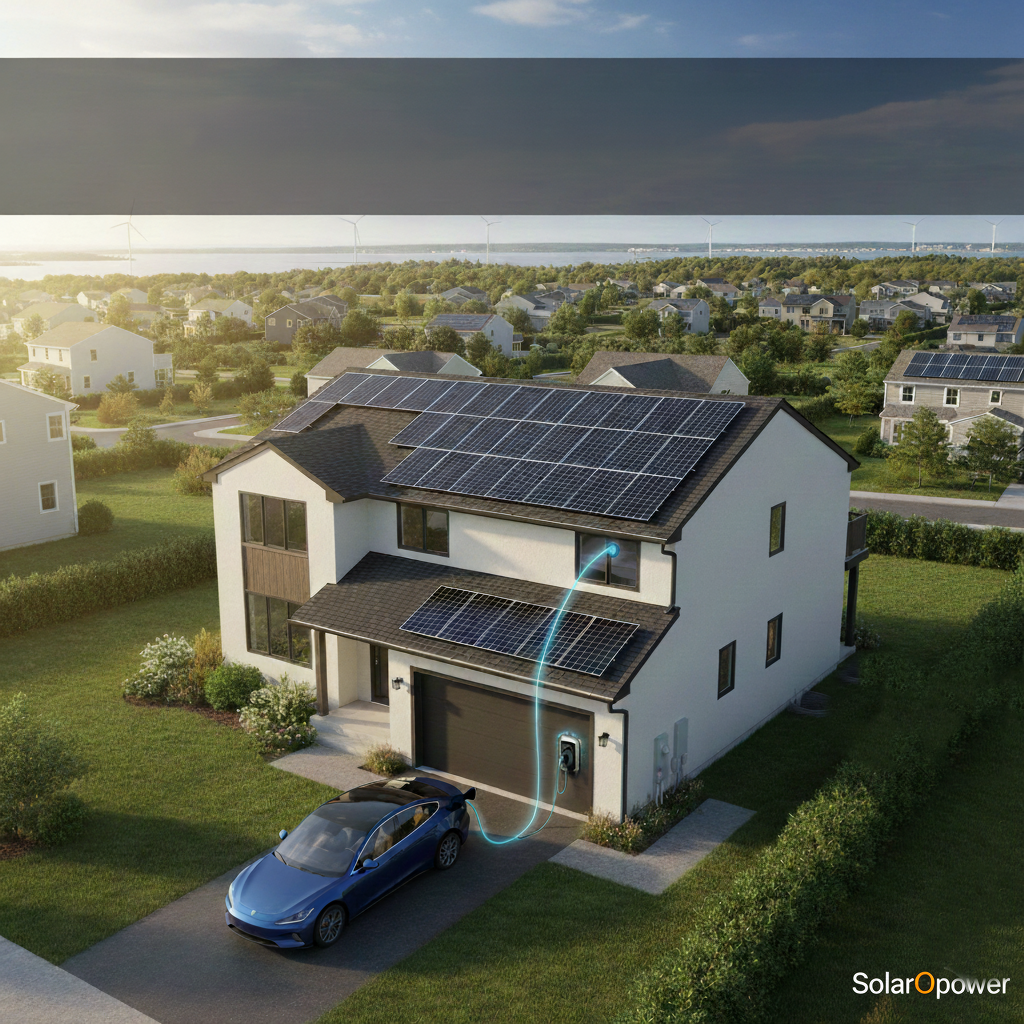
In most cases, yes. Once your solar system is installed and attached to your home, it’s typically treated as part of the structure under a standard homeowners policy — similar to your roof or siding. That means solar panel insurance Long Island coverage usually kicks in automatically, without needing a separate policy.
What's typically covered:
Wind damage from storms and hurricanes
– Hail impact cracks or shattered glass
– Lightning strikes that damage inverters or wiring
– Fire damage
– Fallen tree limbs or storm debris
Homeowners Insurance vs. Solar-Specific Coverage
Most Long Island homeowners don’t need a separate solar policy, but there are cases where it’s worth considering:
Leased or PPA (power purchase agreement) systems- check who’s responsible for insurance, since the leasing company may require you to carry specific coverage
– Larger or ground-mounted systems — may need a rider or endorsement added to your policy
-High-value systems— some insurers cap coverage per claim, so a bigger system might exceed standard limits without an add-on
If you’re unsure which category your system falls into, your solar panel insurance Long Island coverage is worth reviewing with your agent when you first go solar, not after storm damage has already happened.
Does Adding Solar Panels Increase Your Insurance Premium?
Many Long Island homeowners ask this question before installing solar panels, not just after a storm causes damage.
In most cases, adding solar panels to your home means adding value to your property, and your homeowners insurance policy needs to reflect that. Depending on your insurer, this can happen in a few different ways.
Your Dwelling Coverage May Need to Increase
Solar panels typically add to the total replacement cost of your home. If your policy’s dwelling coverage limit isn’t updated after installation, you could end up underinsured if a covered event damages both your roof and your solar system.
Your Premium Could Change
Some insurers slightly raise premiums to reflect the added property value and the cost of covering the panels. Others may not change the premium at all, especially if the panels are roof-mounted and considered part of the structure rather than separate equipment.
Ground-Mounted Systems May Need a Separate Rider
If your solar system sits on the ground rather than the roof, some insurers treat it as a separate structure. This can require an added rider or endorsement to your policy, since standard dwelling coverage may not automatically apply.
Filing a Solar Panel Insurance Claim in Long Island
Document the Damage Immediately
Before touching anything, take clear, date-stamped photos of the damage from multiple angles – cracked panels, bent mounting hardware, loose wiring, or debris on the array. If you have before-storm photos of your system, pull those too for comparison.
Check Your System Remotely (If Possible)
Many solar systems come with a monitoring app that shows performance drops in real time. A sudden output drop after a storm is useful evidence to include with your solar panel insurance Long Island claim, even before a technician sets foot on your roof.
Contact Your Insurance Company
Report the damage to your insurer as soon as possible. Most policies require notice within a set window after the storm – check your policy or ask your agent for the exact deadline.
Get a Professional System Inspection
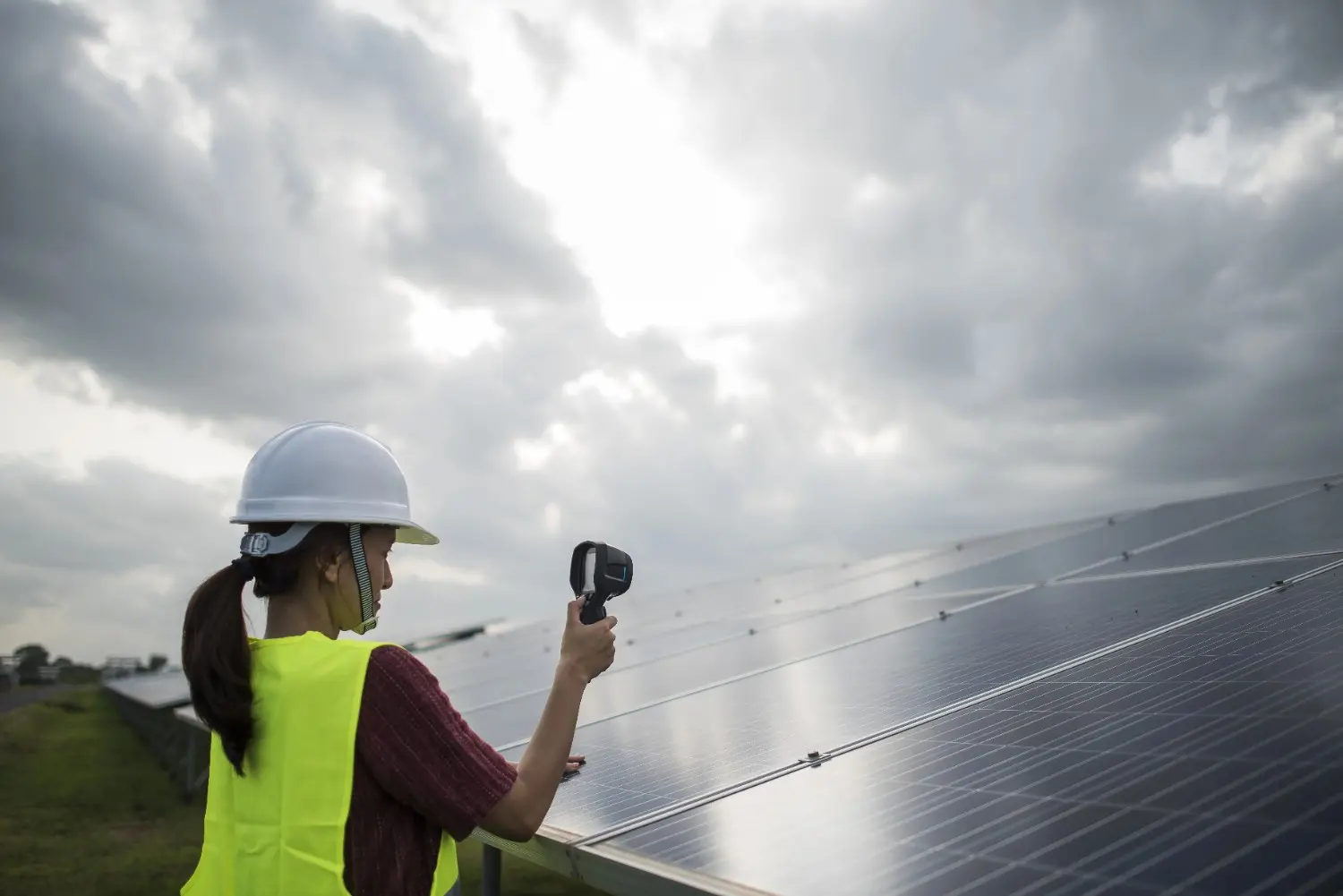
Before the adjuster visits, have your solar installer or a certified technician inspect the system and provide a written assessment. Never climb on the roof yourself after storm damage – leave that to a professional. This report carries weight with insurers and often catches issues (like micro-cracks or loose mounting bolts) that aren’t visible from the ground.
Meet the Insurance Adjuster
Walk through the documented damage with the adjuster if you can. Have your installer’s inspection report and any monitoring app data ready to support your solar panel insurance Long Island claim.
Review the Settlement and Schedule Repairs
Compare the insurer’s offer against your installer’s repair or replacement estimate. If it falls short – especially on inverter replacement or code-required upgrades – you can request a re-inspection before accepting. Once settled, schedule repairs with a licensed solar contractor and keep every receipt.
Common Reasons Solar Panel Insurance Claims Get Denied
Damage attributed to poor installation rather than the storm itself – another reason to work with a qualified, licensed installer from day one
– Missed reporting deadlines
– Lack of documentation showing the system was undamaged and functioning normally before the storm
– Confusion between warranty and insurance claims – a manufacturer defect goes through your equipment warranty, not your homeowners policy
Tips to Strengthen Your Solar Panel Insurance Claim
Keep your installation and maintenance records. Regular system checkups see our solar panel maintenance guide show your system was properly cared for before the storm.
– Save your monitoring app history. Performance data before and after a storm is hard evidence insurers take seriously.
– Understand your storm exposure ahead of time. If you’re in a hurricane-prone area of Long Island, our guide on hurricane and storm-resistant solar panels covers what wind ratings and mounting standards to look for before a storm ever hits.
– Factor coastal conditions into your coverage review. Homes near the shore face added wear from salt air, which can complicate claims if damage looks gradual rather than storm-related – our guide on salt air and solar panels explains what that looks like.