If you’re shopping for car charging stations Long Island homeowners rely on, the short answer is this: most homeowners want a Level 2 charger, installation typically runs a few hundred to a couple thousand dollars depending on your electrical panel, and pairing it with solar can significantly cut your ongoing charging costs. This guide walks through the charger types available, what installation actually involves, and how to decide what’s right for your home.
What Are Car Charging Stations Long Island Homeowners Are Installing?
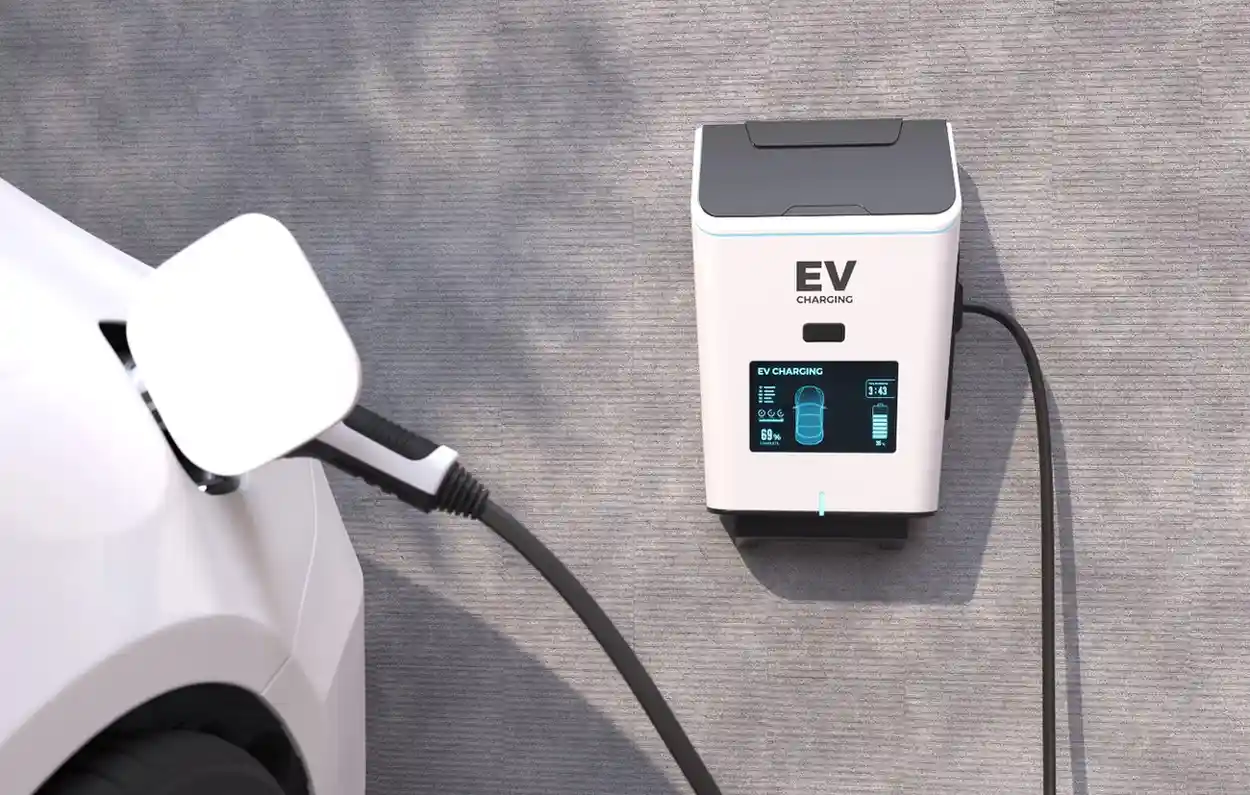
A car charging station – also called an EVSE, short for Electric Vehicle Supply Equipment – is the hardware that delivers electricity from your home’s wiring to your vehicle’s battery. It’s not just an outlet; it manages the flow of power safely and, on higher-end models, lets you schedule charging times or track usage.
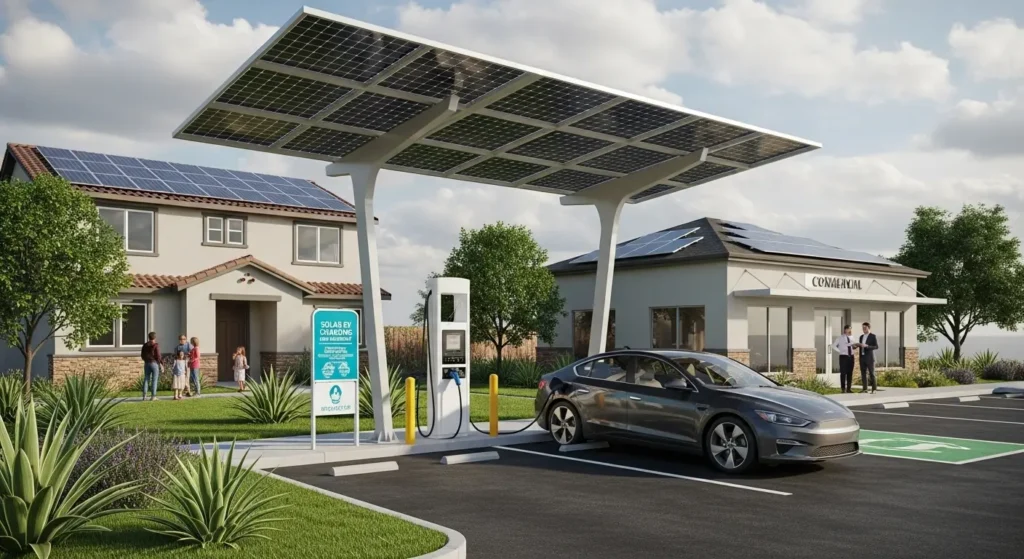
Car charging stations generally fall into three categories, though only two are realistic for home use.
Types of Car Charging Stations
Level 1 Charging This uses a standard 120V household outlet – the same kind you’d plug a lamp into. No special installation is required, but charging is slow, often adding only 3-5 miles of range per hour. It works for plug-in hybrids or drivers with very low daily mileage, but most EV owners find it too slow for daily use.
Level 2 Charging This is what most homeowners install. Level 2 chargers run on a 240V circuit – the same type of power used by an electric dryer or oven — and can add 20-40 miles of range per hour, depending on the charger and your vehicle. This is the standard choice for home car charging stations in Long Island, since it charges a typical EV overnight without issue.
DC Fast Charging This is the type you see at public charging stations along highways, not something installed at a home. It requires specialized, high-voltage infrastructure that isn’t practical or necessary for residential use.
How Much Does It Cost to Install a Car Charging Station?
Cost depends mainly on your home’s existing electrical setup. A few factors that affect the price:
- Distance from your electrical panel to the parking spot – longer wire runs cost more in materials and labor
- Panel capacity – if your electrical panel doesn’t have room for the additional circuit, you may need a panel upgrade before installation
- Permit requirements – most municipalities require an electrical permit for a 240V circuit installation
- Charger hardware itself – Level 2 chargers range from budget models to smart chargers with app connectivity and scheduling features
A straightforward installation with an existing panel that has capacity is on the lower end of the cost range. A home that needs a panel upgrade will cost more, since that’s effectively two projects in one.
Do You Need an Electrician to Install a Car Charging Station?
Yes. A Level 2 charger runs on a dedicated 240V circuit, and installing one incorrectly is a genuine safety risk – both fire risk and risk of damaging your vehicle’s charging system. A licensed electrician will:
- Confirm your panel has enough capacity for the new circuit
- Run and connect the wiring to code
- Install and test the charging unit
- Pull any required permits and schedule inspection
Skipping a permit or using an unlicensed installer can also cause issues later if you sell your home or file an insurance claim related to an electrical problem.
Skipping this step is one of the most common mistakes homeowners make when installing car charging stations Long Island properties require – it can cause problems with permits, insurance, or resale down the line.
Can Solar Power Your Car Charging Station?
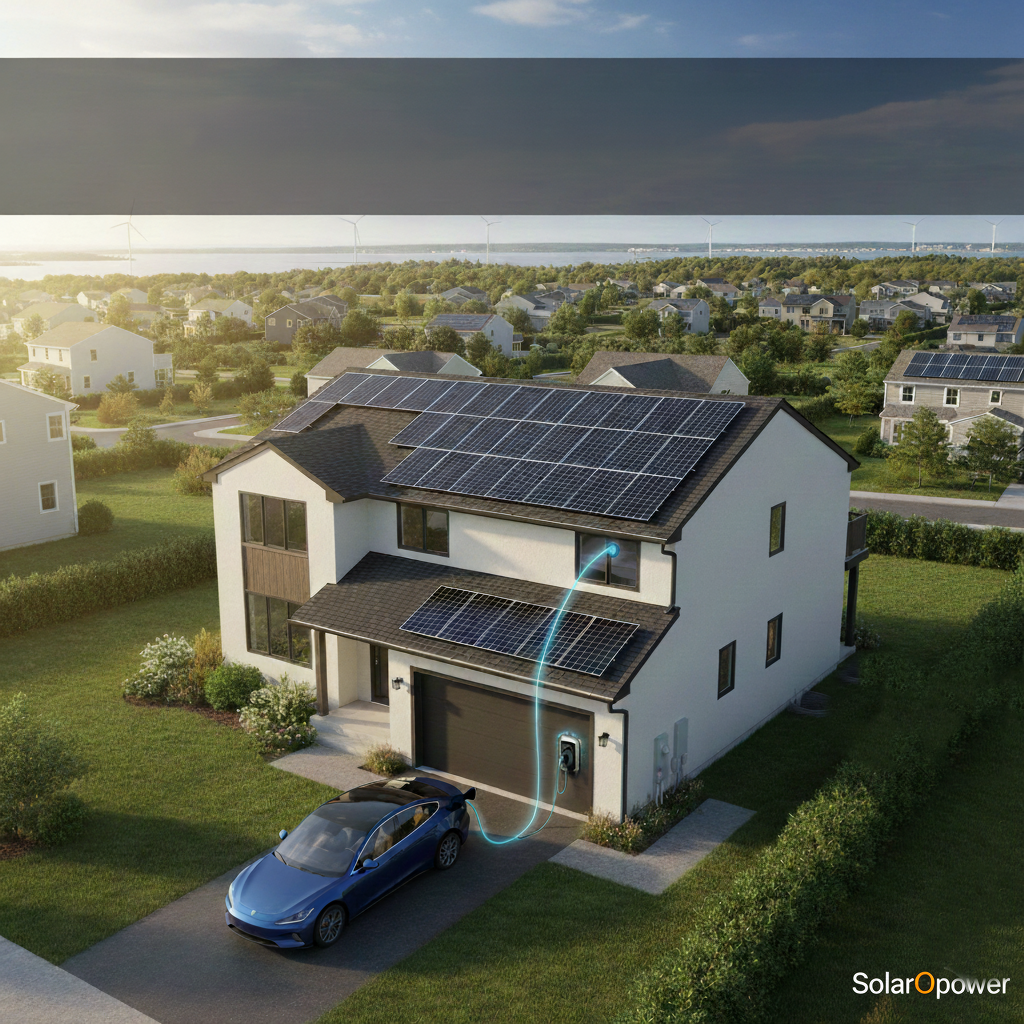
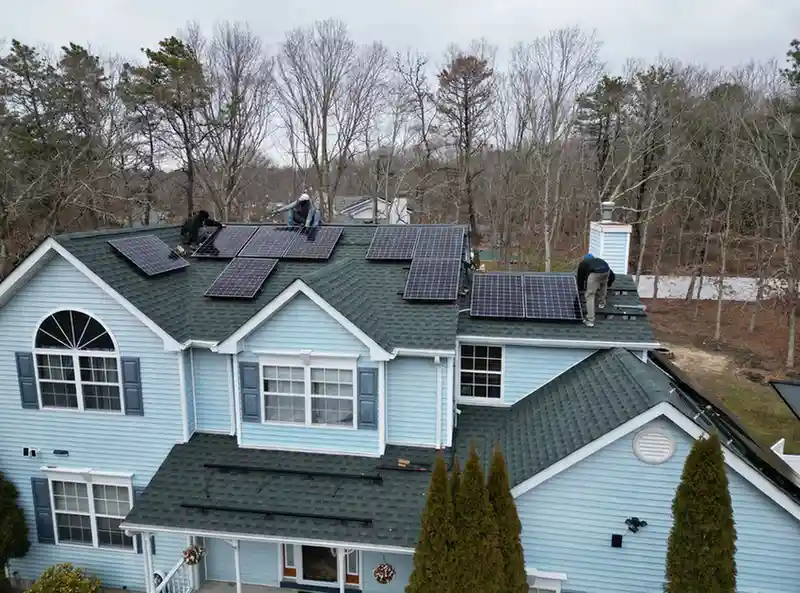
Yes, and this is where car charging stations Long Island homeowners install become significantly more cost-effective long term. Pairing your charger with a solar system means the electricity charging your car can come from your own roof instead of the grid.
During the day, solar panels generate power that either charges your car directly or gets stored in a battery system for use later — including overnight charging. Our guide on solar-powered EV charging breaks down exactly how the inverter, charger, and optional battery storage work together.
If you’re deciding whether to size a new solar system around EV charging from the start, our EV charging services page covers installation options for both residential and commercial setups.
Will Your Electrical Panel Support a New Charging Station?
This is one of the most common issues homeowners run into. Older homes, especially on Long Island, sometimes have panels that are already near capacity before adding a 240V EV circuit.
A panel evaluation should look at:
- Your panel’s total amperage rating
- How much capacity is already used by existing circuits
- Whether a panel upgrade is needed to safely add the charger
If a panel upgrade is required, it’s worth having that conversation with your installer early, since it affects both cost and timeline before you can start charging at home.
Choosing the Right Charging Station for Your Home
A few questions can help narrow down the right choice:
- How many miles do you drive daily? Higher daily mileage generally justifies a faster Level 2 charger.
- Do you want smart features? App-based scheduling can help you charge during off-peak electricity hours or align charging with solar production.
- Are you planning to add solar, or do you already have it? If solar is part of the plan, it’s worth coordinating your charger choice and installation timeline with your solar installer to avoid rework.
- Is your electrical panel ready? Get this checked before you buy hardware, not after.
Whichever option you choose, working with an installer who understands car charging stations Long Island homeowners actually need will save you time and rework later.