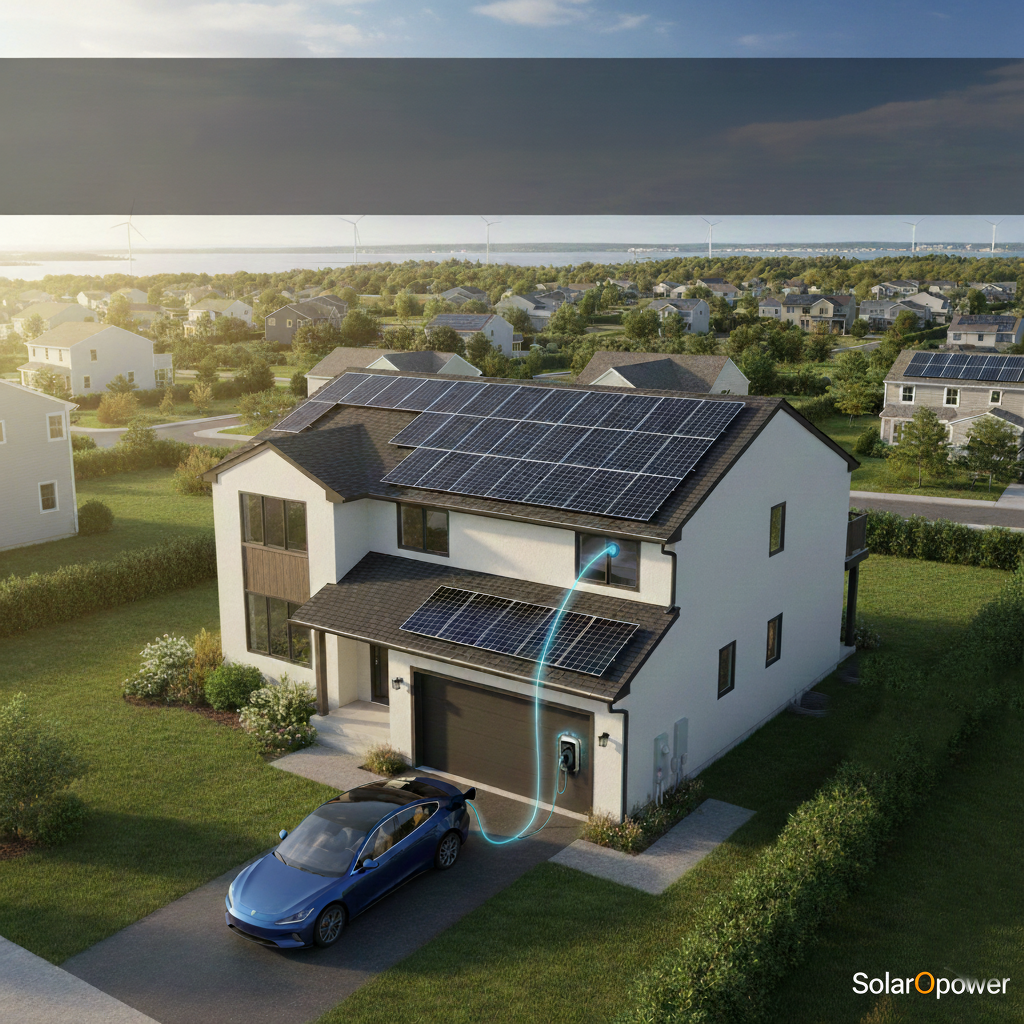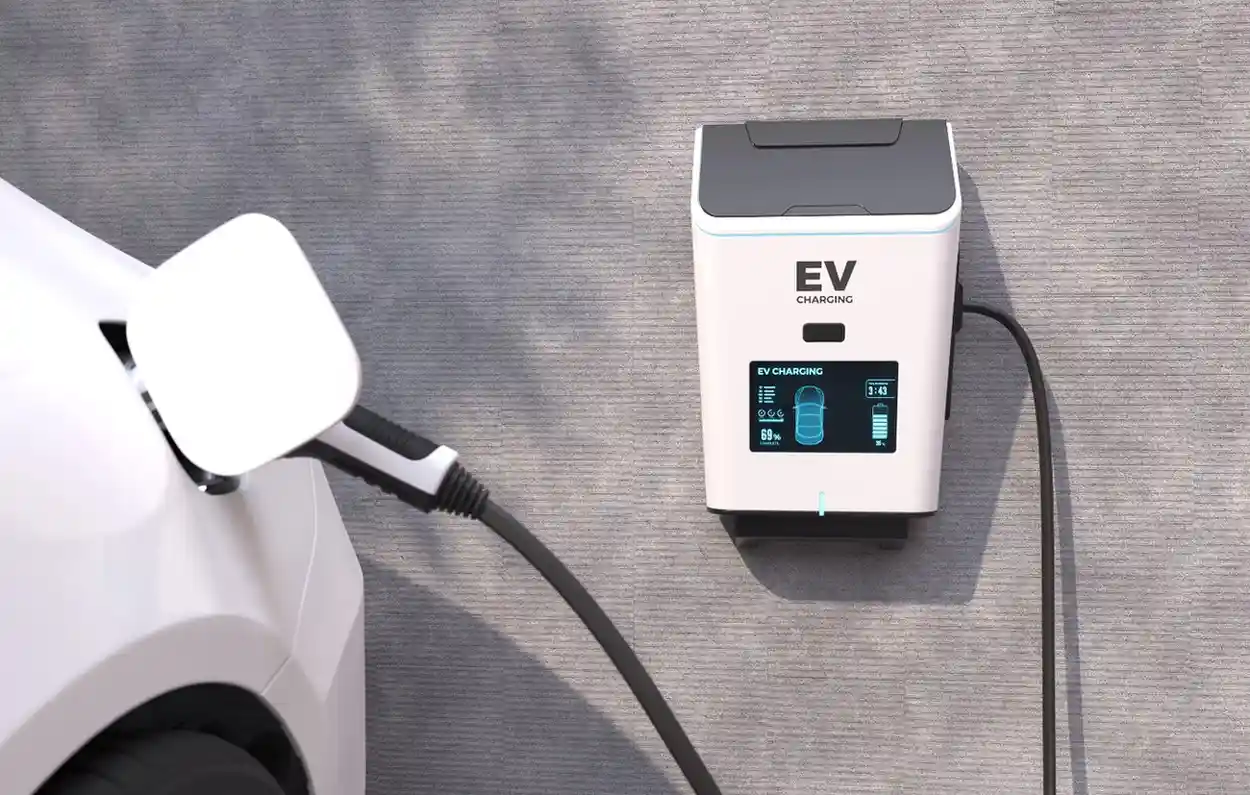
Quick answer: For most Long Island homes, a home battery is the better fit. It switches on within moments, runs silently, needs no fuel and can recharge from solar. A standby generator wins in very long outages and for heavy loads like central air, because it runs as long as it has fuel. Some homeowners use both.
Home battery vs generator Long Island: which one keeps your lights on better when the power goes out?
How each one works
Home battery
A home battery stores electricity in a wall-mounted unit. When PSEG Long Island power drops, the system disconnects from the grid and runs your chosen circuits from the battery. Solar panels can recharge it the next day. See our Battery Storage page.
Standby generator
A standby generator is a permanent unit outside your home, wired to your electrical panel. It burns natural gas or propane and starts on its own through a transfer switch.
Portable generator
A portable generator runs on gasoline. You start it by hand, place it outdoors and connect appliances with cords. You refuel it during the outage.
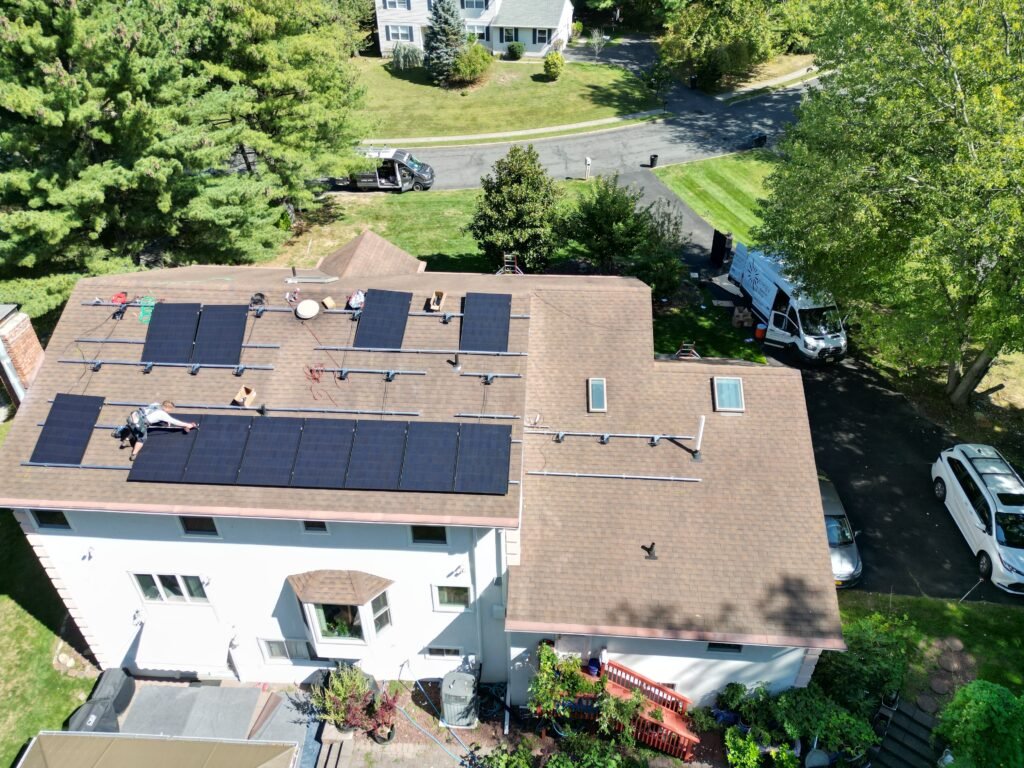
Home Battery vs Generator Long Island at a Glance
| Home battery | Standby generator | Portable generator | |
|---|---|---|---|
| Start-up | Automatic, within moments | Automatic, after a short delay | Manual |
| Fuel | None. Recharges from the grid or solar | Natural gas or propane | Gasoline |
| Run time | Limited by battery size. Solar can recharge it | As long as the fuel supply lasts | Until you refuel |
| Noise | Silent | Audible outside | Loud |
| Exhaust fumes | None | Yes. Installed outdoors | Yes. Carbon monoxide risk |
| Upkeep | Low. Software updates and monitoring | Regular servicing and test runs | Engine care and fuel storage |
| Incentives | PSEG LI Battery Storage Rewards may apply | Few or none | None |
| Best for | Short to medium outages, solar homes | Long outages, heavy loads | Low-cost, occasional use |
Which one runs longer?
A generator runs as long as you can feed it. A battery runs until its stored power is used.
Use this simple formula for a battery: usable kWh ÷ the kW you use = hours of backup.
Example: a 10 kWh battery running a fridge, lights and Wi-Fi (about 1 kW) lasts roughly 10 hours. Central air conditioning or an electric dryer cuts that time fast.
Solar changes the math. Panels recharge the battery in daylight, so a battery plus solar can carry you through longer outages.
Generators have their own limit: fuel. A standby unit needs a natural gas line or a propane tank. Not every home has a gas line. A portable unit needs gasoline stored safely.
Safety: where generators need
Mistake to avoid: Never run a portable generator in a garage, basement or shed, and never plug it into a wall outlet to power your house.
- Generator exhaust contains carbon monoxide, a gas you cannot see or smell. Using a generator indoors can kill you in minutes. (CPSC, 2022: cpsc.gov)
- Keep a portable generator outdoors, more than 20 feet from your home, doors and windows. (CDC, 2019: cdc.gov)
- Do not connect a generator to wall outlets, and do not use it in rain. Turn it off and let it cool for 15 to 20 minutes before refueling. (FEMA: fema.gov)
- Install battery-operated carbon monoxide detectors near sleeping areas.
A home battery has no exhaust. Both a battery and a standby generator still need a licensed electrician and a permit from your town.
What about solar?
A standard grid-tied solar system shuts off during a grid outage for safety. Panels alone will not power your home.
A battery fixes this. It keeps your chosen circuits running and stores solar power for the evening. A generator cannot use your solar power at all.
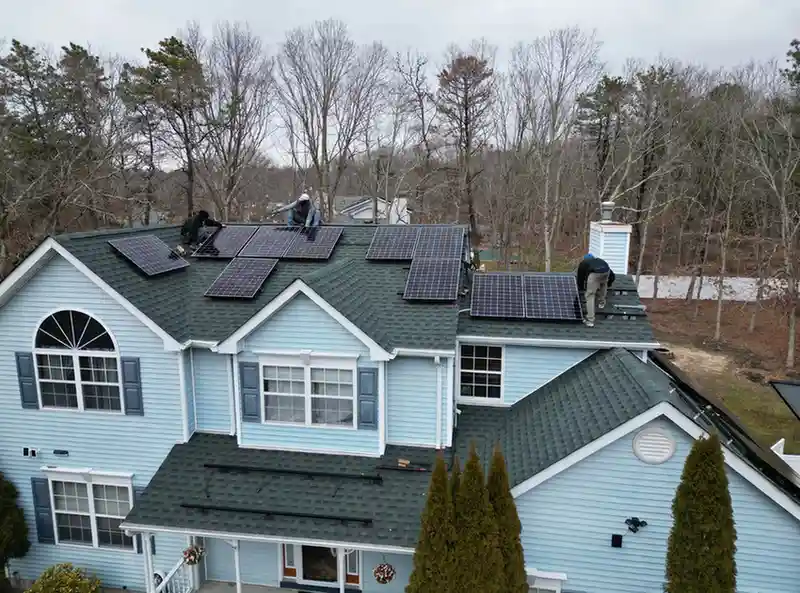
If you already have panels, ask us about adding a battery to your existing system. We check your inverter and pick a compatible unit.
Which should you choose?
Choose a battery if:
- You have solar, or plan to add it.
- Your outages usually last hours, not days.
- You want silent backup with no fuel to store.
- You want to earn PSEG LI rewards.
Choose a standby generator if:
- You want to run central air or electric heat through multi-day outages.
- You have a natural gas line or room for a propane tank.
- You accept regular servicing and fuel costs.
Consider both if:
- You want a battery for daily use and short outages, plus a generator as a rare long-outage backup.
Four steps to decide
- List what must stay on: fridge, lights, Wi-Fi, sump pump, phone chargers and any medical equipment. Talk to your equipment provider and PSEG Long Island about outage plans.
- Add up the power you use in kW.
- Estimate your longest likely outage.
- Get quotes for each option and compare cost, runtime and incentives.
Frequently asked questions
Is a home battery better than a generator?
Can a home battery power my whole house?
How long will a battery last in an outage?
Will solar panels work in a power outage without a battery?
Is a battery or a generator cheaper?
Can I use a battery and a generator together?
Is a generator safe to run at home?
Do I need a permit?
Ready to plan your backup power?
A good plan starts with what you need to keep running. SolarOPower will review your home, your panel and your outage risk, then design a battery system that fits.
Get your free battery backup quote →
Also read: Home Battery Backup & Solar Battery Storage in Long Island | PSEG Long Island Battery Rewards: 4 Rules to Earn Cash | Residential Solar Panels on Long Island