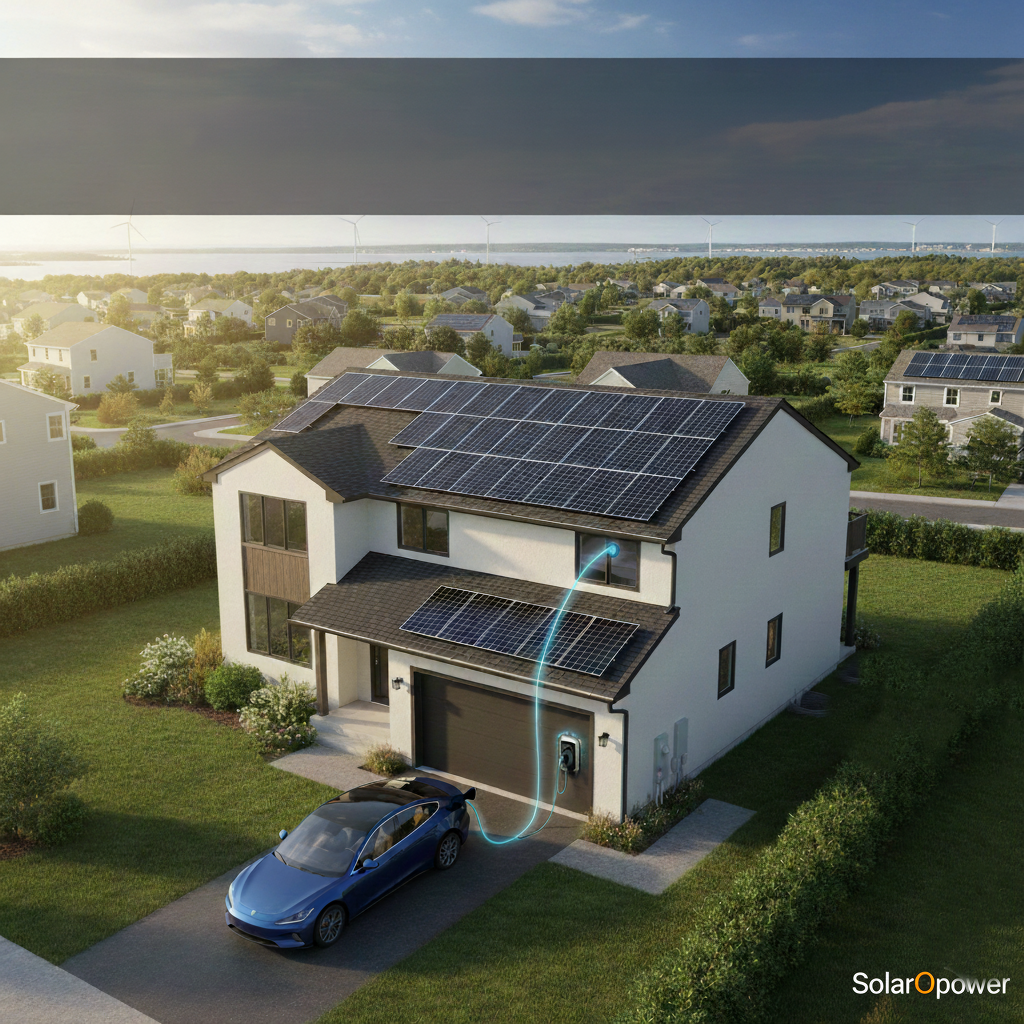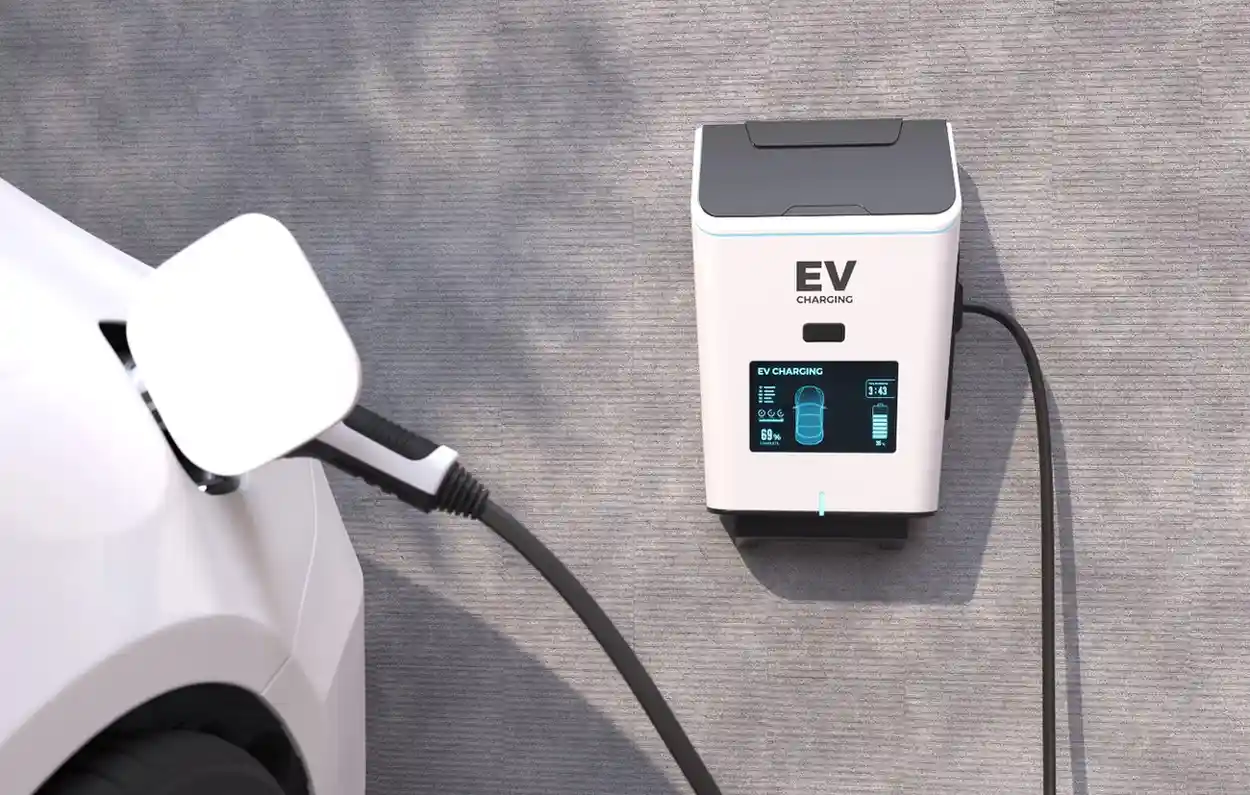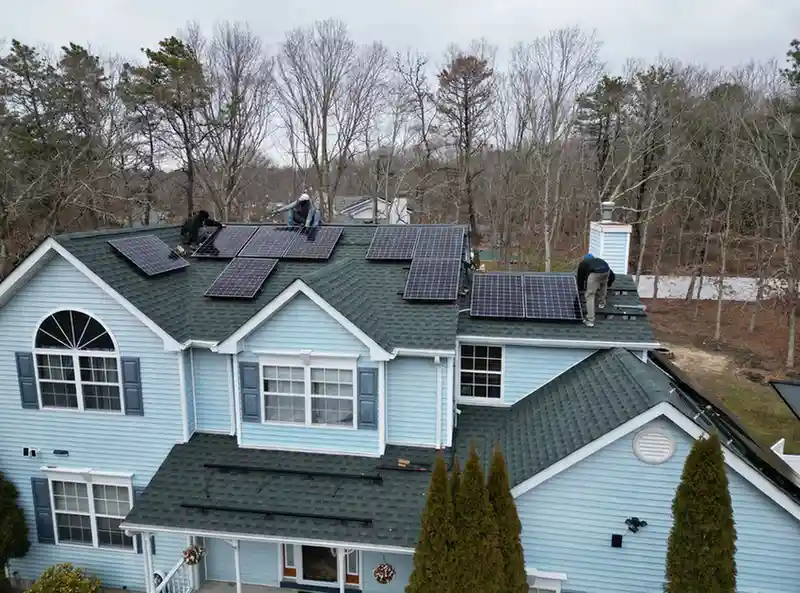
Quick Answer: The PSEG Long Island battery rewards program (often operated alongside ConnectedSolutions and Virtual Power Plants) pays residential solar storage owners up to $250 per kWh of usable capacity-often earning between $2,500 and $6,250 in upfront and recurring incentives. In exchange, participating homeowners allow PSEG Long Island to draw brief, automated power discharges from their batteries during summer peak-demand events while maintaining full emergency storm backup.
Home batteries on Long Island are traditionally installed for emergency blackout protection during severe hurricanes and winter nor’easters. However, modern energy storage is no longer just an emergency safety net.
Through the PSEG Long Island Battery Storage Rewards Program, your home battery functions as a mini distributed energy resource-earning direct utility payments while keeping the Long Island electric grid stable during hot summer afternoons.
Here is how the program functions, how much you can earn, and how your backup power remains protected.
1. What Is the PSEG Long Island Battery Storage Rewards Program?
Administered by PSEG Long Island with supplemental clean energy funding from NYSERDA, this demand-response initiative connects individual residential batteries across Nassau and Suffolk County into a coordinated Virtual Power Plant (VPP).
During heatwaves-typically between May and September-air conditioning usage surges across Long Island, straining local substations. Rather than firing up expensive and polluting natural gas “peaker plants,” PSEG Long Island signals enrolled batteries to automatically discharge a portion of their stored solar electricity into the local grid between 2:00 PM and 7:00 PM.
- Completely Automated: You never have to manually adjust switches. Systems like the Enphase IQ Battery, Tesla Powerwall, or FranklinWH manage discharges seamlessly through their mobile apps.
- No Impact on Electric Rates: Enrolling in PSEG Long Island battery rewards does not trigger higher utility rates or excess connection fees during discharge cycles.
2. Incentive Earnings: How Much Do Homeowners Receive?
Under the official PSEG Long Island battery rewards schedule, homeowners receive direct incentive payments based on certified storage capacity:
The PSEG Long Island battery rewards structure is calculated based on your battery’s certified usable storage capacity:
Battery Configuration | Typical Usable Capacity | Estimated PSEG Incentive ($250/kWh) |
Single Battery (e.g., 10 kWh unit) | ~10 kWh usable | $2,500 rebate |
Dual Battery Array (e.g., 20 kWh setup) | ~20 kWh usable | $5,000 rebate |
Expanded Multi-Battery System | 25+ kWh usable | $6,250 (Program Cap) |
(Note: These incentives apply directly alongside the 25% New York State Solar Tax Credit and federal incentives, dramatically reducing the overall cost of home storage).
3. How Storm Backup Is Protected
The number one question Long Island homeowners ask is: “Will I lose my emergency power if a blackout happens during an event?”
The program is engineered with strict storm-override safeguards:
- Storm Event Freezes: PSEG Long Island suspends all utility discharge calls if the National Weather Service issues severe weather alerts, hurricane warnings, or tropical storm watches for Nassau or Suffolk County.
- Reserve Limits: Utility discharges are typically limited to approximately 80% of usable capacity during an event. Your inverter automatically protects a minimum reserve (which you can customize in your equipment app) so your home is never drained to zero.
- Instant Blackout Override: If the grid fails for any reason during an active demand event, the battery gateway instantly disconnects from the grid within milliseconds and switches 100% of stored power back to your designated household circuits.
4. Eligibility Requirements
To qualify for PSEG Long Island battery rewards, your residential property and energy storage equipment must satisfy key technical benchmarks:
To qualify for PSEG Long Island battery rewards, homeowners must meet four technical criteria:
- Grid Connection: An active residential electric account served by PSEG Long Island.
- Approved Equipment: A qualifying, smart-inverter-enabled battery system (such as Tesla Powerwall 2/3, Enphase IQ 5P/10, or SolarEdge Home Battery).
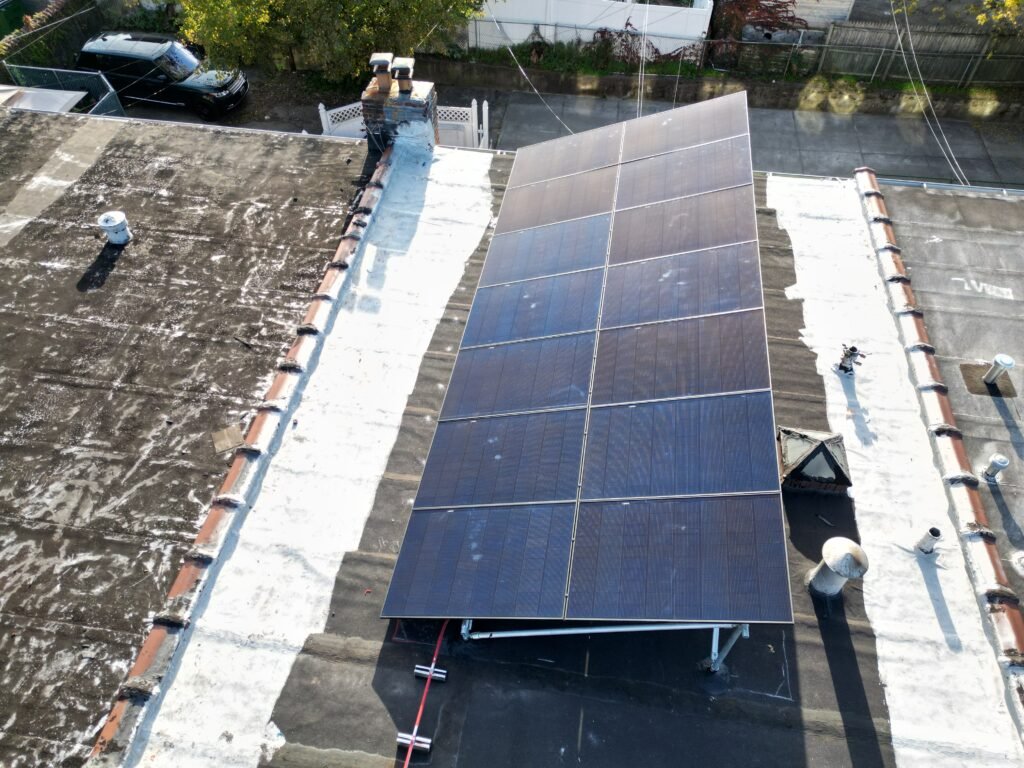
- Paired Solar Array: The battery must be charged via on-site rooftop or ground-mount photovoltaic solar panels.
- 5-Year Enrollment Commitment: Participants agree to remain enrolled in the demand-response network for a multi-year term.
Frequently Asked Questions (FAQ)
How often does PSEG Long Island call battery discharge events?
Does discharging hurt my battery's lifespan?
Can I participate if I already have solar panels installed?
Earn Up to $6,250 in PSEG Battery Rewards
Don’t leave clean energy incentives on the table. Solar O Power helps Long Island homeowners claim the maximum PSEG battery rewards, install storm-ready energy storage, and keep power flowing 24/7 without interruption.
✔ Free Storage Sizing Assessment | ✔ PSEG Interconnection Filing Included | ✔ Zero Storm Backup Loss