Solar for Schools and Municipal Buildings on Long Island: How Public Buyers Go Solar
Last updated: November 2026
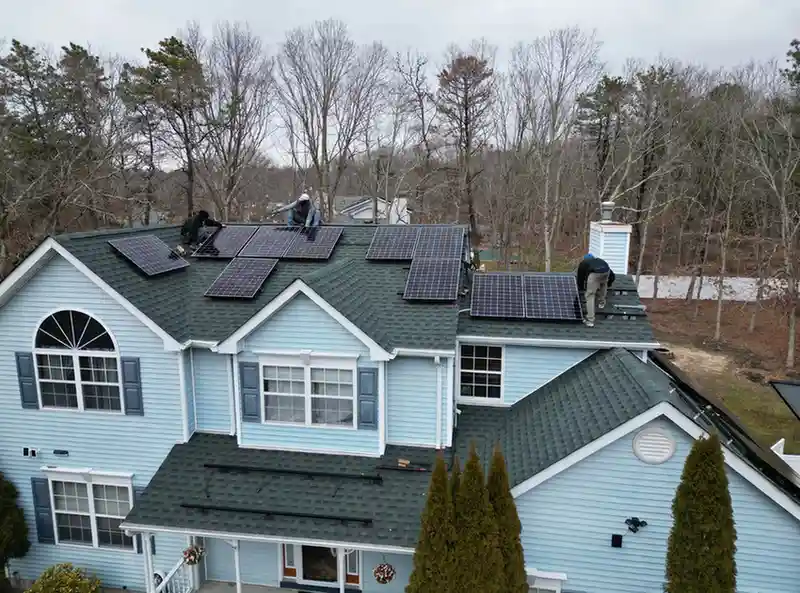
Looking at solar for schools Long Island districts and private schools can actually afford? The answer usually starts with one question: how will the project be paid for? Roofs, panels and permits are the easy part. Funding, approvals and timing decide whether a school or town moves forward.
Why Solar Fits Schools
School buildings use most of their power in the daytime, which is when solar panels produce. That match, plus large roofs, makes schools a strong fit.
- Large roofs. Many school buildings have big, flat or low-slope roofs with room for a sizeable array.
- Daytime use. Classrooms, gyms and offices run on power while the sun is up.
- Predictable costs. Solar can steady a budget that rises and falls with utility rates.
- Learning value. Students can see a working solar system and its data.
Summer break matters too. Panels keep producing when classrooms are empty, so how the utility credits extra power affects your savings. We look at that when we size a system.
Solar for Schools Long Island: How Districts Pay
There are three common ways to pay for a school or municipal solar project. The right one depends on your capital funds, your approval process and how much you want to own.
| Own the system | Power purchase agreement (PPA) | Lease | |
|---|---|---|---|
| Who owns it | The school or town | The developer | Usually the lessor |
| Upfront cost | High, or financed | Often little or none | Low |
| What you pay | Project cost, then maintenance | A set rate for the power produced | Fixed lease payments |
| Federal incentive | Owner can use direct pay | Developer usually keeps it | Lessor usually keeps it |
| Best for | Buyers with capital funds | Buyers who want low upfront cost | Buyers who want fixed payments |
Terms vary by contract, and public buyers must follow their own rules on what they can sign. Your business office and counsel make the final call.
In a PPA, the developer builds, owns and runs the system, and the school buys the power at an agreed rate. For a plain-language look at how these contracts work for school districts, see the NREL guide to solar power purchase agreements.
Federal Incentives for Tax-Exempt Buyers
Schools and local governments do not pay federal income tax, so they could not use a normal tax credit. Direct pay (also called elective pay) fixes that. It lets a tax-exempt owner receive a payment instead of a credit.
What to know in 2026:
- Direct pay is still available to tax-exempt organizations and local governments.
- For solar, the July 4, 2026 construction-start date has passed, so a new project generally has to be placed in service by December 31, 2027.
- The payment comes after the project is finished, so you need a way to cover or finance the cost first.
- New rules on foreign-made equipment also apply.
- With a PPA or lease, the owner usually claims the credit and builds it into your price.
Read the U.S. Department of Energy fact sheet on elective pay for schools, and confirm your situation with a tax advisor. Solar O Power does not give tax advice.
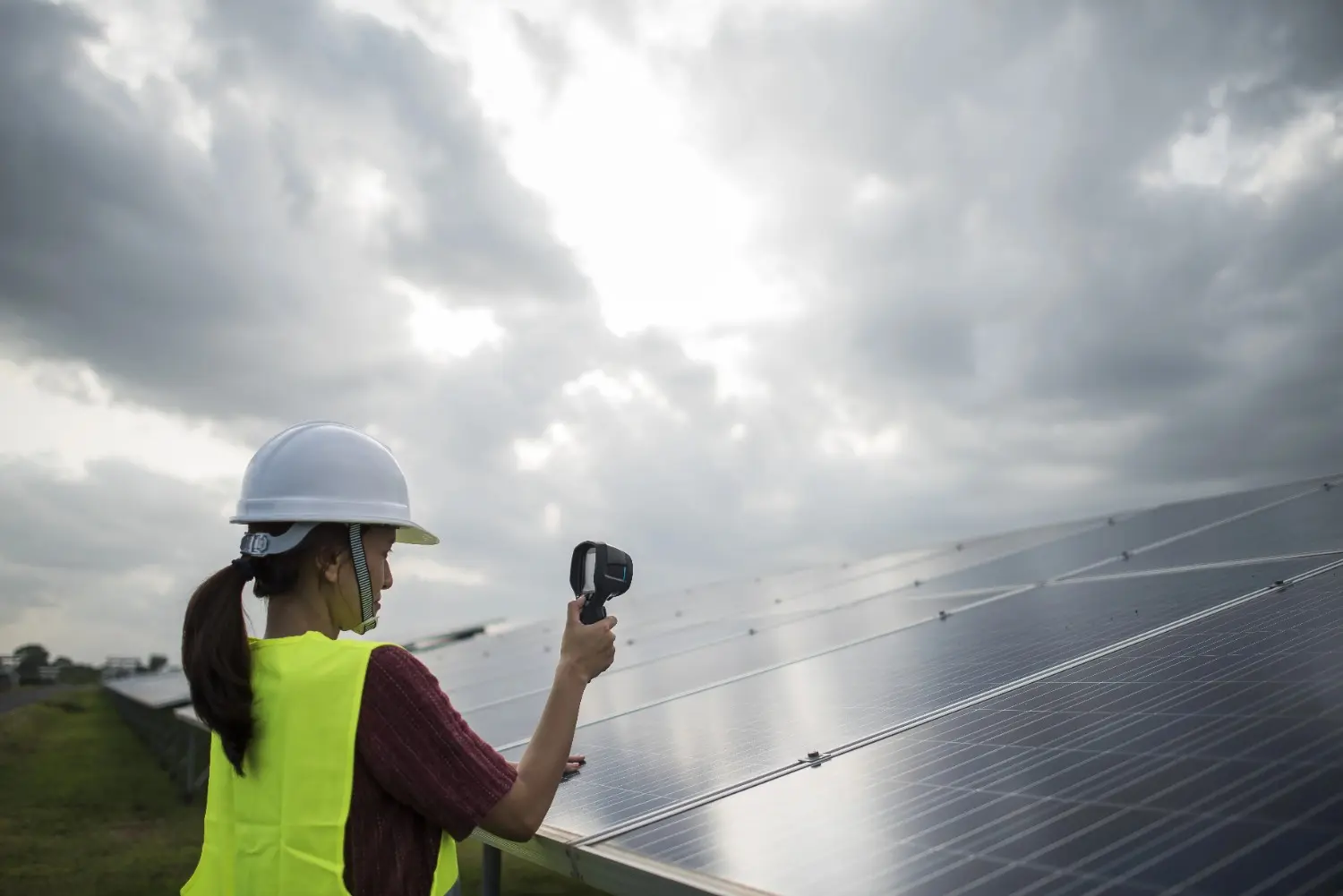
Roof and Site Checks for School Buildings
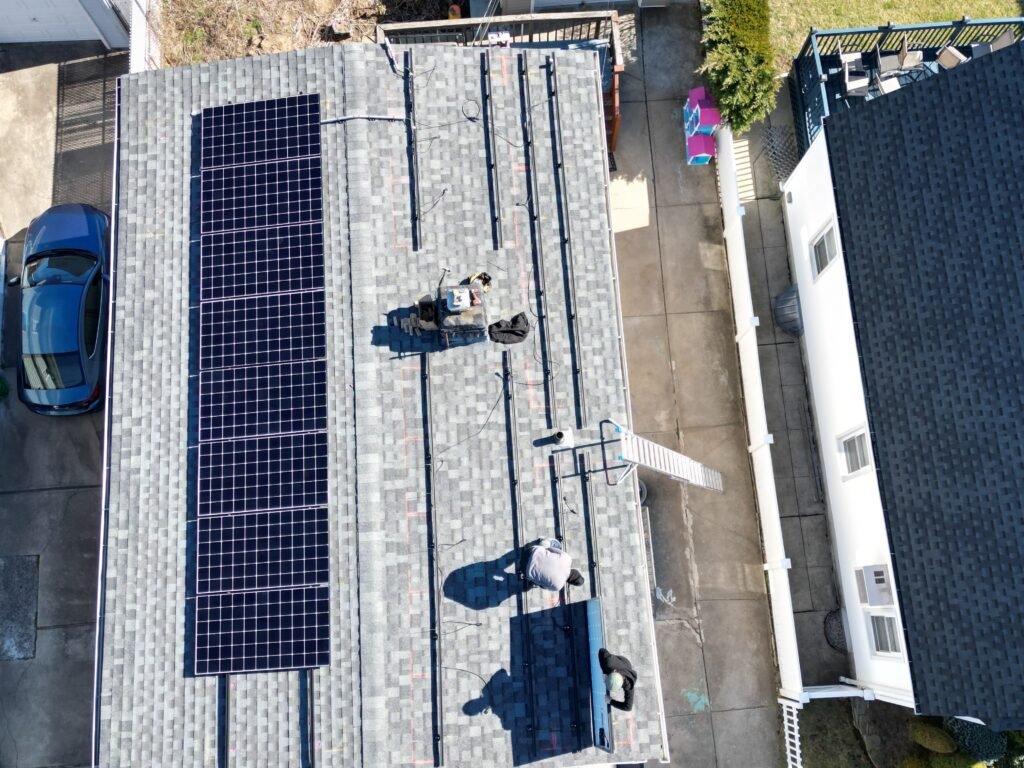
Many school roofs are flat or low-slope, so a ballasted system is often worth a look. See our page on commercial flat roof solar on Long Island for how those systems work. Before any design, we check:
- Roof age and condition, since a roof near the end of its life should be fixed first
- Structural load capacity
- Shade from trees, parapets, vents and nearby buildings
- Roof access and fire code walkways
- Your building’s electrical service and utility connection
Work around occupied buildings also needs a schedule that fits your school calendar.
Town Halls, Fire Districts and Other Municipal Buildings
The same steps apply to town halls, libraries, fire districts, highway garages and community centers. These buildings often have large roofs and steady daytime use, just like schools. The main difference is the approval path. Boards, committees and public bidding rules shape the timeline, so start the paperwork early.
Municipal owners can use direct pay too if they own the system. If you are comparing costs, our commercial solar page shows how we handle larger projects.
Steps to Start a School or Municipal Solar Project
Here is how solar for schools Long Island projects usually move from idea to install:
- Review your bills. Gather 12 months of electric bills for each building.
- Check the roof. Start with the buildings that have the best roofs and the most daytime use.
- Choose the funding route. Decide with your business office and counsel whether to own, sign a PPA or lease.
- Follow the buying process. Public buyers generally must follow competitive bidding or procurement rules.
- Handle permits and the utility. We help with permits and your PSEG Long Island connection.
- Install and monitor. Plan the work around the school year, then track production.
Ready for step one? Request a free solar assessment and we will look at your roof, shade and electric use.
Where We Work
We serve Nassau County and Suffolk County. Once a system is running, our solar panel maintenance service helps keep it producing.
Frequently Asked Questions
Can a school district go solar without paying upfront?
Often, yes. With a PPA, a developer pays for and owns the system, and the district buys the power at an agreed rate. Terms vary, so have your counsel review any contract.
Do schools get the federal solar tax credit?
For solar for schools Long Island buyers that are tax-exempt, direct pay is available if the school owns the system. With a PPA or lease, the owner usually claims the credit. A new project generally has to be placed in service by December 31, 2027, so confirm timing with a tax advisor.
Do private schools qualify for direct pay?
Non-profit private schools may qualify. For-profit schools can claim the credit through their taxes instead. Confirm your status with a tax advisor.
Do schools need solar on every building?
No. Most solar for schools Long Island projects start with one or two buildings that have the best roofs and the most daytime use. You can add more later.
What happens to solar during summer break?
Panels keep producing when classrooms are empty. How the utility credits that extra power affects your savings, so we look at it when we size the system.
How long does a school or municipal solar project take?
It depends on board approvals, bidding, permits and utility approval. We give you a schedule with your proposal. Because of the 2027 federal deadline, start early.
Can a town or fire district use these same options?
Yes. Towns, villages and fire districts can own a system, finance it or sign a PPA, subject to their own approval and bidding rules.
Next Step for Solar for Schools on Long Island
Planning solar for schools Long Island boards can approve? Every school and town building is different. Call 516-502-7060, email info@solaropower.com or request a free solar quote, and we will help you plan the first step.