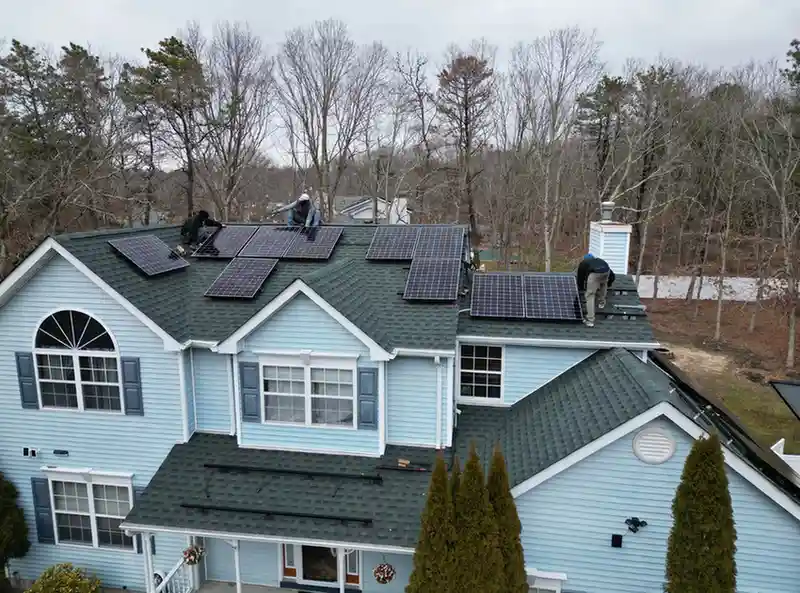
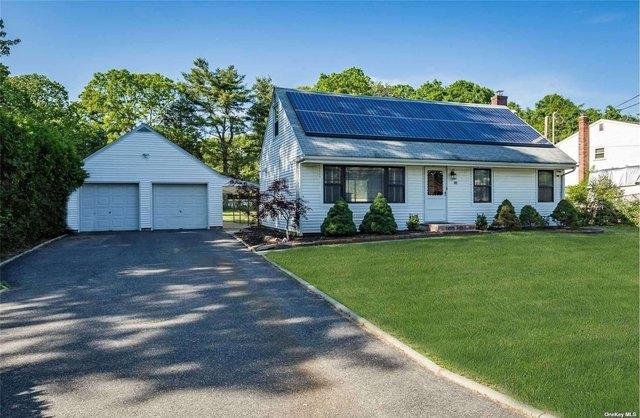
Installing solar panels on detached garage Long Island can be a practical option for homeowners who want to explore additional space for solar energy generation. A detached garage or carport may provide a suitable location for solar panels when the roof has adequate structural support, sufficient sunlight exposure, and the necessary electrical connections. Before installation, it is important to evaluate the roof condition, property layout, permitting requirements, and utility interconnection options.
If your home has limited roof space, shading issues, or an existing garage with a suitable roof, exploring alternative solar installation locations may help you make better use of your property.
1. Can You Install Solar Panels on Detached Garage Long Island
Yes. A detached garage can be considered for residential solar panel installation if its roof and electrical infrastructure are suitable for the proposed system.
Unlike a roof attached directly to the house, a detached garage may require additional planning to connect the solar equipment to the home’s electrical system. The installation team must evaluate the distance between the garage and the main electrical panel, wiring routes, equipment placement and applicable electrical requirements.
Before installation, homeowners should consider:
- Roof condition: The garage roof should be in suitable condition to support the proposed solar installation.
- Structural capacity: The roof structure must be evaluated for the additional equipment and applicable environmental loads.
- Sunlight exposure: Trees, neighboring buildings and other obstructions can affect solar production.
- Roof orientation: Roof direction and available surface area influence system design.
- Electrical connection: The distance between the garage and the home’s electrical equipment can affect installation requirements.
2. Installing Solar Panels on a Residential Carport
A solar carport is another option for homeowners who want to use available outdoor space for solar electricity generation. Instead of mounting panels on an existing house roof, solar panels are installed on a purpose-designed overhead structure.
A properly designed solar carport can provide covered parking while generating electricity for the property. Depending on the system configuration, the generated electricity may be connected to the home’s electrical system or designed to serve other suitable electrical loads.
Potential Benefits of Solar Carports
- Additional installation space: Carports can provide an alternative location when the main roof has limited usable area.
- Vehicle coverage: The structure can provide shelter from sun, rain and other weather conditions.
- Flexible system design: Panel layout can be planned around the available property space.
- Residential energy generation: The system may contribute electricity toward household consumption.
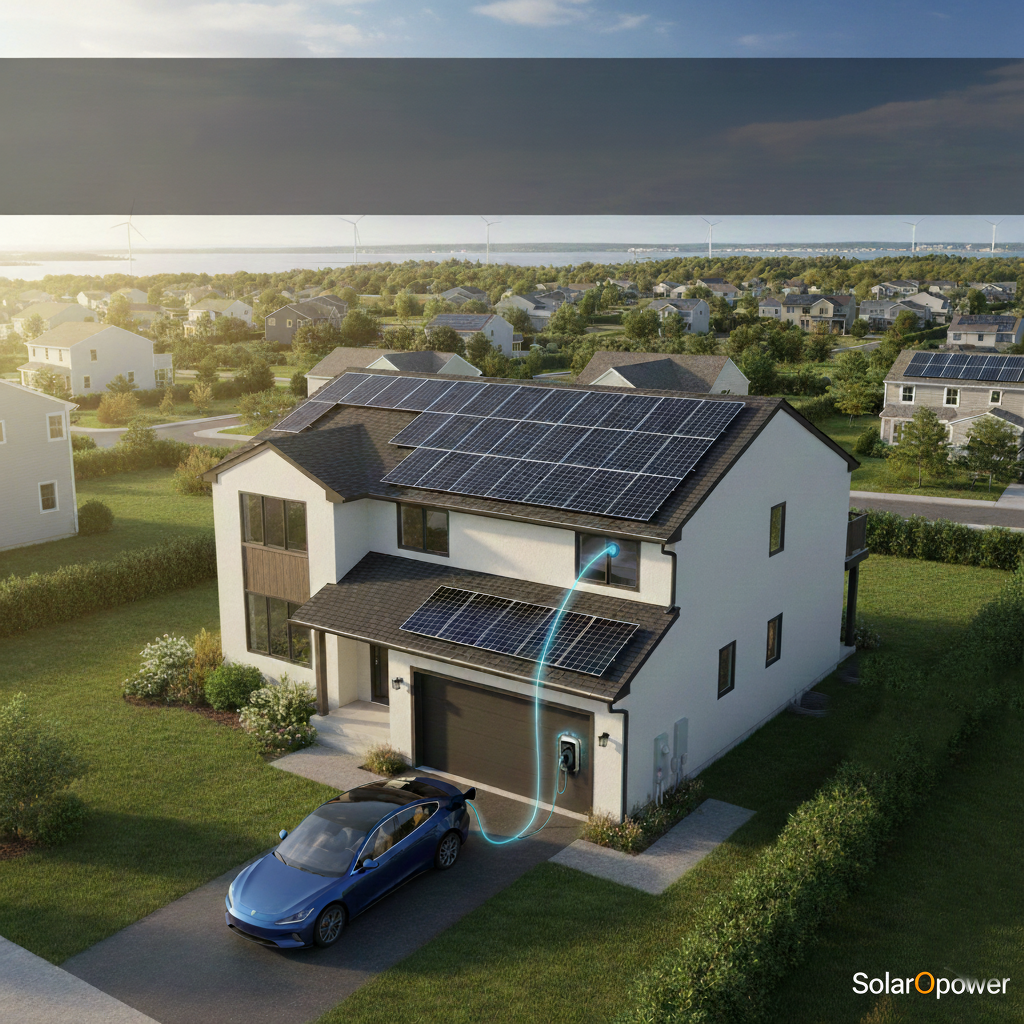
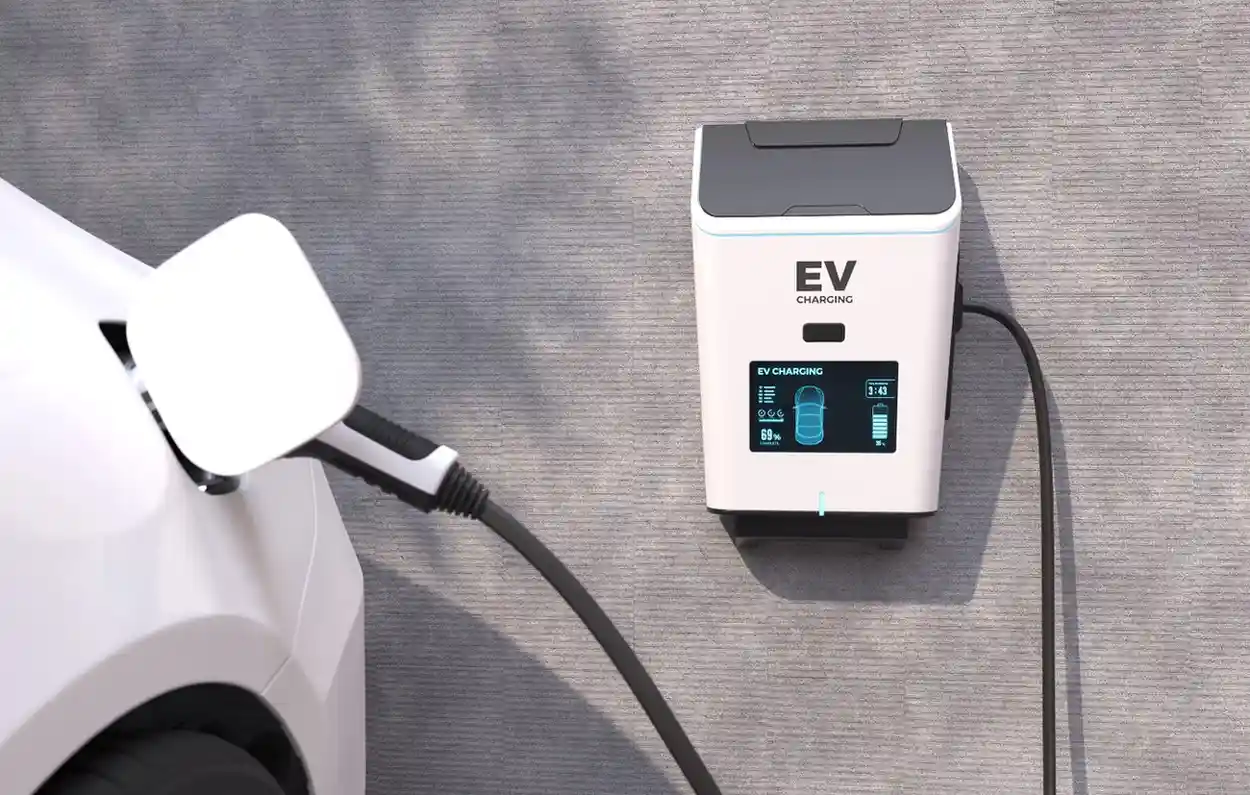
- EV charging integration: A suitable electrical design may allow integration with a residential EV charging station.
Carport installations require careful structural planning. Foundation design, wind exposure, drainage, electrical safety and local building requirements should be evaluated before construction.
3. Detached Garage Solar vs. Main House Roof Solar
Both installation locations can be suitable for residential solar projects. The best option depends on the property’s layout and the condition of each roof.
| Consideration | Main House Roof | Detached Garage |
|---|---|---|
| Installation space | Depends on roof size | Uses separate roof space |
| Sunlight | Depends on roof exposure | Depends on garage location |
| Electrical connection | Often more direct | May require additional wiring |
| Structural evaluation | Required | Required |
| Design considerations | Roof shape and condition | Roof, distance and wiring route |
A professional solar evaluation can help determine which location offers the most practical installation option for your property.
4. What Types of Garage Roofs Are Suitable for Solar Panels?
Not every detached garage roof is suitable for solar panels. Roof material, structural condition and available mounting options all influence installation feasibility.
Asphalt Shingle Garage Roofs
Asphalt shingle roofs are commonly found on residential garages. Their suitability depends on roof age, condition, structural support and the compatibility of the mounting system.
Metal Garage Roofs
Metal roofs may support solar installations using compatible mounting equipment. The specific metal roofing profile, attachment method and structural capacity must be evaluated.
Flat Garage Roofs
Flat garage roofs may accommodate solar panels using appropriately designed mounting systems. Panel orientation, wind exposure, drainage and roof loading should be considered during system design.
If a garage roof requires replacement or significant repairs, addressing those issues before installing solar panels may help avoid additional work later.
5. Electrical Requirements for Detached Garage Solar Installations
Electrical planning is an important part of installing solar panels on a detached garage. The solar system must be designed to connect safely and comply with applicable electrical requirements.
Depending on the property, an installer may need to evaluate:
- The main electrical service and panel capacity.
- The existing electrical supply to the detached garage.
- The distance between the garage and the main building.
- Underground or other approved wiring routes.
- Inverter placement and equipment accessibility.
- Grounding, disconnects and electrical protection.
- Utility interconnection requirements.
Homeowners should not assume that an existing garage electrical circuit can automatically support a solar installation. A qualified professional should evaluate the complete electrical design.
6. Permits and Approvals for Garage Solar Panels on Long Island
Solar panel installations on detached structures may involve additional permitting and inspection considerations. Requirements can vary depending on the municipality, building design and proposed electrical configuration.
Before beginning a project, homeowners should determine whether the installation requires:
- Local building permits.
- Electrical permits and inspections.
- Structural documentation or engineering review.
- Utility interconnection approval.
- Additional approvals for a newly constructed solar carport.
Homeowners in Nassau and Suffolk Counties should check the requirements of their local building department. Utility approval and applicable interconnection procedures should also be addressed before the system is placed into operation.
7. Can You Combine Garage Solar Panels with Home Battery Storage?
Yes. A properly designed residential solar system installed on a detached garage may be integrated with compatible battery storage equipment.
Solar panels generate electricity during daylight hours. A compatible battery system can store some of the available solar energy for later use, depending on system configuration, battery capacity and household consumption.
Battery storage may be worth evaluating for homeowners who want to explore backup power options during utility outages. The system must be designed with compatible inverters, transfer equipment and appropriate backup circuits.
Learn more about residential solar panel installation on Long Island and available system options.
8. Is a Detached Garage Solar Installation Right for Your Long Island Home?
A detached garage or carport may be worth evaluating if your property has:
- A garage roof with adequate structural capacity.
- Available roof space with suitable sunlight exposure.
- A main house roof with limited usable installation space.
- An existing electrical infrastructure that can support the proposed design.
- Enough property space for a properly designed solar carport.
However, installation feasibility cannot be determined from roof size alone. A complete assessment should consider structural conditions, electrical requirements, shading, permitting and project costs.
9. Why Consider SolarOPower LLC for Residential Solar on Long Island?
SolarOPower LLC provides residential solar energy solutions for homeowners across Nassau and Suffolk Counties, NY.
Our team helps homeowners explore solar installation options based on their property layout, roof conditions, electrical requirements and energy goals.
Whether you are considering solar panels on your main house, a detached garage or a suitable carport structure, a property-specific evaluation can help identify practical installation options.
Our residential solar solutions include:
- Residential solar panel system installation.
- Solar system design and electrical evaluation.
- Battery storage solutions.
- Residential EV charging solutions.
- Installation planning and permitting coordination.
Explore Solar Options for Your Detached Garage or Carport
Have a detached garage or carport on your Long Island property? SolarOPower LLC can help you evaluate whether the structure is suitable for a residential solar installation.
Contact our team to discuss your property, electrical requirements and potential solar installation options in Nassau and Suffolk Counties.
Frequently Asked Questions
1. Can solar panels be installed on a detached garage?
Yes. Solar panels can be installed on a detached garage if the roof has suitable structural capacity, sufficient sunlight exposure and an appropriate electrical connection.
2. Can a detached garage solar system power my entire house?
Potentially, yes. The system can be designed to supply electricity to the main home through an appropriate electrical connection. Actual energy contribution depends on system size, production, household demand and electrical design.
3. Are solar carports a good option for Long Island homeowners?
Solar carports may be suitable for properties with adequate space and appropriate structural and permitting conditions. They can combine covered parking with residential solar electricity generation.
4. Do I need a separate electrical panel for garage solar panels?
Not necessarily. The electrical configuration depends on the existing service, equipment layout and proposed system design. An electrical evaluation is necessary to determine the appropriate connection.
5. Do detached garage solar installations require permits?
They may require building and electrical permits, inspections and utility interconnection approval. Requirements vary by municipality and project design across Long Island.
6. Can I add battery storage to a garage solar installation?
Yes, if the solar inverter, battery equipment and electrical system are compatible. A professional design should determine the appropriate battery configuration and backup capabilities.
7. Does SolarOPower LLC install residential solar panels on Long Island?
SolarOPower LLC provides residential solar solutions across Nassau and Suffolk Counties. Contact the company to discuss your property’s installation requirements and service availability.