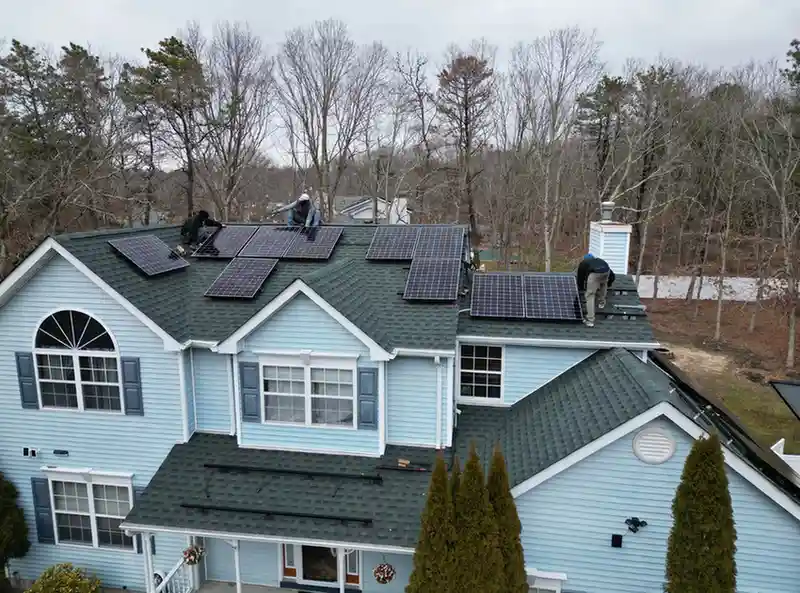
Commercial solar flat roof Long Island projects are common for good reason: warehouses, offices and light-industrial buildings across Suffolk County often have large, open roofs with few obstructions. But a flat roof is not a simple “bolt on panels and go” job. This guide explains what business owners should check before they request a quote.
Quick answer: Solar works well on most flat commercial roofs, as long as the roof structure can carry the added weight and the roof membrane is in good shape. The right mounting method depends on your roof type, age and local wind and snow requirements, so a site inspection comes first.
Why Flat Roofs Suit Commercial Solar
Flat and low-slope roofs give installers room to position panels at the best angle and spacing. There is usually more usable space than on a pitched residential roof, and equipment is easier to reach for future service. For businesses with high daytime electricity use, that space can offset a meaningful share of the power bill.
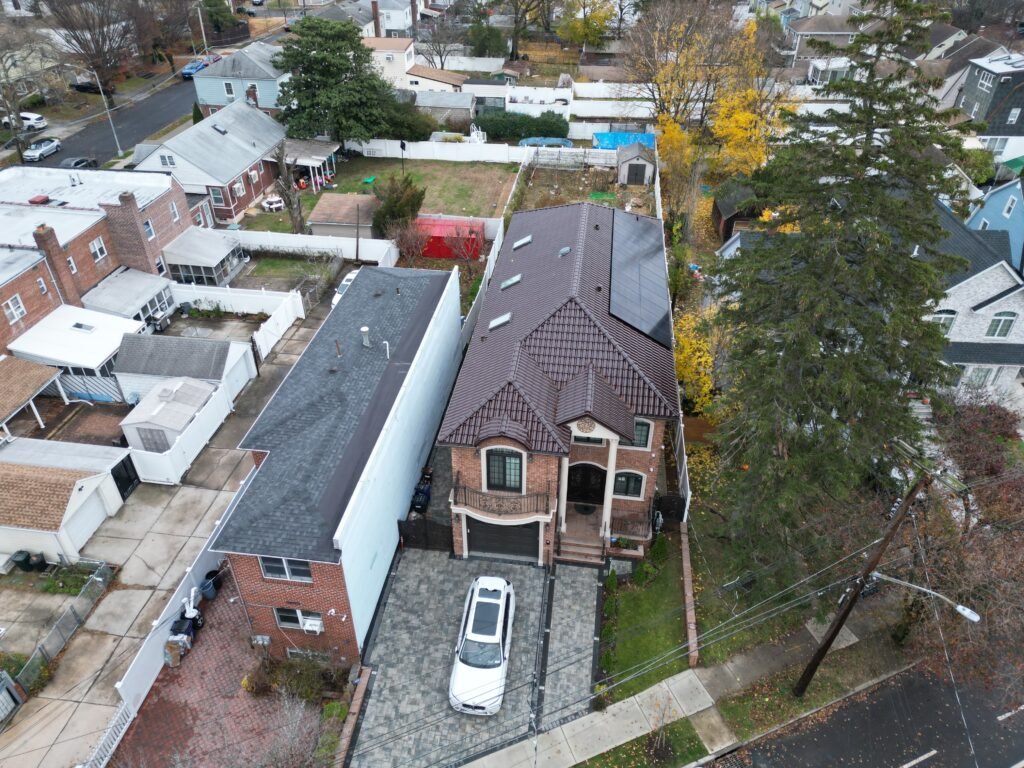
Flat Roof Mounting: Ballasted vs. Attached Systems
There are two main ways to mount solar on a flat roof.
- Ballasted systems use weight, such as blocks, to hold the racking in place without drilling many holes in the roof. They can protect the roof membrane, but they add load, so the structure must be checked.
- Attached systems are fastened to the roof structure and sealed. They add less weight, but each penetration must be waterproofed carefully.
Some projects combine both. Your installer should explain which option fits your building and why.
5 Checks Before You Install Solar on a Flat Roof
- Roof age and condition. Solar panels can last for decades. If your roof membrane is near the end of its life, replace or repair it first, so you do not have to remove the system later.
- Structural capacity. The roof must carry the weight of panels, racking and any ballast, plus local snow and wind loads. A structural review is often part of the design.
- Drainage. Panels and racking should not block drains or create standing water. Layout matters.
- Roof warranty. Many roofing warranties have rules about who can work on the roof. Check yours before any work starts.
- Electrical capacity. Your building’s electrical service and utility connection affect the size of the system you can install.
What About Roof Work Later?
If your roof will need repairs after solar is installed, the panels may have to be moved. Our solar panel removal and reinstall service handles this, so your roofer can work safely and your system goes back correctly.
Commercial Solar in Hauppauge and Across Suffolk County
Hauppauge has many business and industrial buildings with large flat roofs, which makes it a natural fit for commercial solar. If you own or manage a building there, see our page on solar panel installation in Hauppauge. We also serve businesses across Suffolk County, including Commack, Brookhaven and Holbrook.
Incentives and Utility Rules
New York offers programs through NYSERDA, and federal and state incentives for businesses can change. Review the current options on the NYSERDA resources page for commercial solar owners, and confirm what applies to your project before you decide.
Commercial Solar Flat Roof FAQ
Can solar panels be installed on any flat roof?
Will solar damage my flat roof?
How long does a commercial solar installation take?
Do you maintain commercial systems after installation?
Get a Commercial Solar Quote
Ready to see what solar could do for your building? Learn more about our