Solar panel installation process Long Island is simpler
than most homeowners think. If you’re a Long Island homeowner
thinking about going solar, one of the first questions you
probably have is: how does the whole process actually work?
With PSEG electricity rates among the highest in the nation, more Nassau and Suffolk County homeowners are turning to solar to cut monthly bills and take control of their energy costs. The good news? The solar installation process is more straightforward than most people expect -and from your first call to your first day of solar power typically takes just 2 to 4 months.The solar panel installation process Long Island starts with a thorough home and roof assessment.
The solar panel installation process Long Island homeowners follow typically takes 2–4 months from assessment to activation.
Here’s exactly what happens, step by step.
Home & Roof Assessment
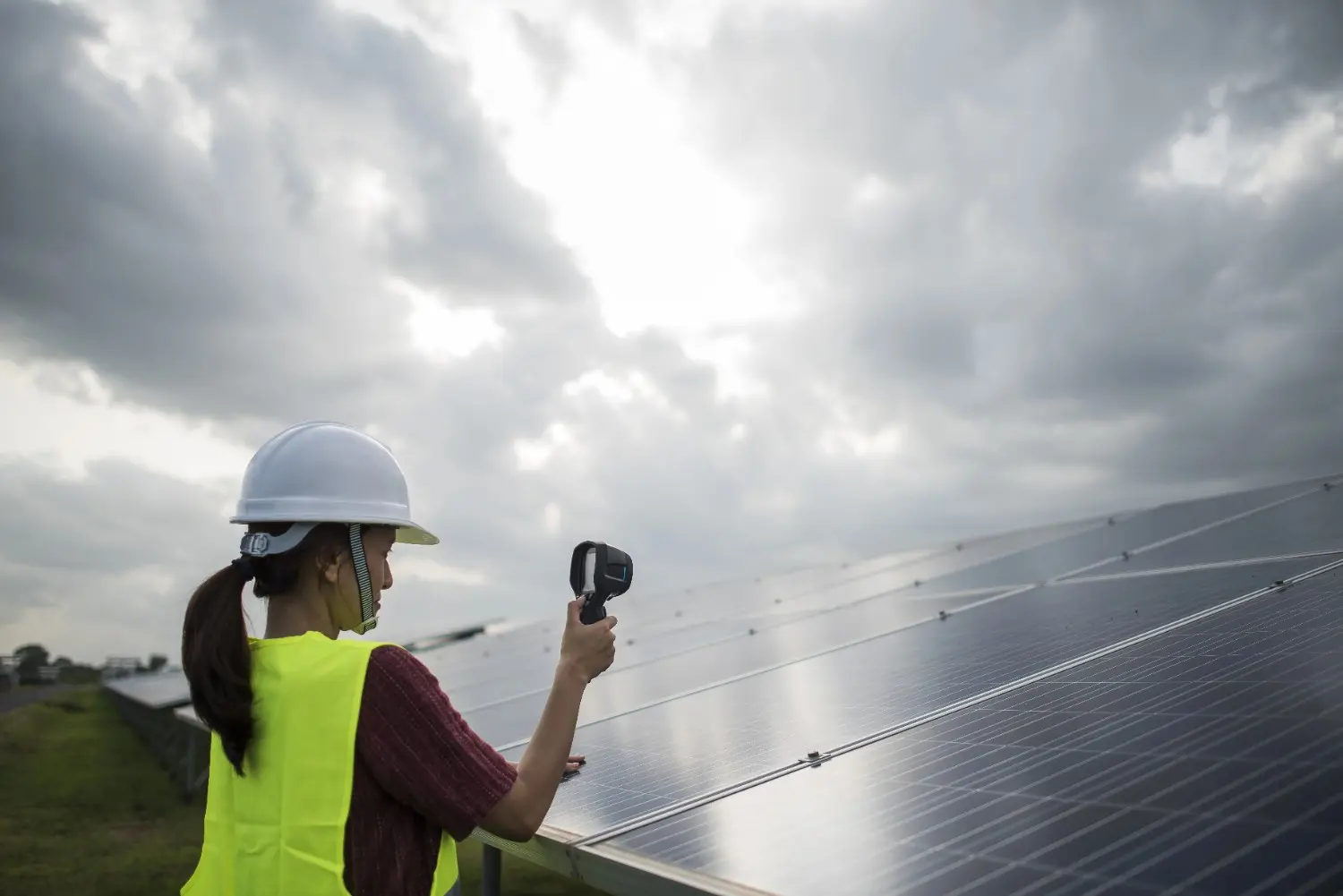
Everything starts with a site evaluation. A qualified solar installer will assess:
- Roof condition and age – Solar panels last 25+ years, so your roof should have at least 10–15 years of life remaining
- Roof angle and direction – South-facing roofs with a 30–45° pitch produce the most energy on Long Island
- Shading analysis – Nearby trees, chimneys, or neighboring structures can reduce production
- Your electricity usage – Your installer will review 12 months of PSEG bills to right-size your system
Most reputable companies use satellite imaging tools like Google Sunroof or Aurora Solar to complete much of this analysis remotely before even visiting your home.
Timeline: 1–3 days
Custom Solar Design & Proposal
Once your home qualifies, your installer creates a custom system design including:
- System size (kW) – sized to offset most or all of your annual usage
- Panel layout – exact placement on your roof
- Estimated annual production – in kWh per year
- Financial breakdown, including:
– Federal Solar Tax Credit (30% of system cost in 2026)
– NY State tax credit (25%, up to $5,000)
– NYSERDA rebates
– Financing options: cash purchase, solar loan, or lease/PPA
This is also when you’ll sign your contract and choose your financing option.
Timeline: 3–7 days
Permits & Utility Approval
This is typically the longest part of the process – but your installer handles it all on your behalf.
Building permits
Building permits are required by your local town. Requirements vary across Long Island:
- Town of Hempstead, Oyster Bay, Babylon, Islip, and Brookhaven all have their own permit offices
- Your installer prepares and submits all engineering drawings and paperwork
PSEG Interconnection Application
Before your system can legally connect to the grid and earn net metering credits, PSEG Long Island must approve an interconnection agreement. This is a critical step unique to NY utility customers.
Timeline: 3–8 weeks (varies by town and PSEG queue)
Installation Day
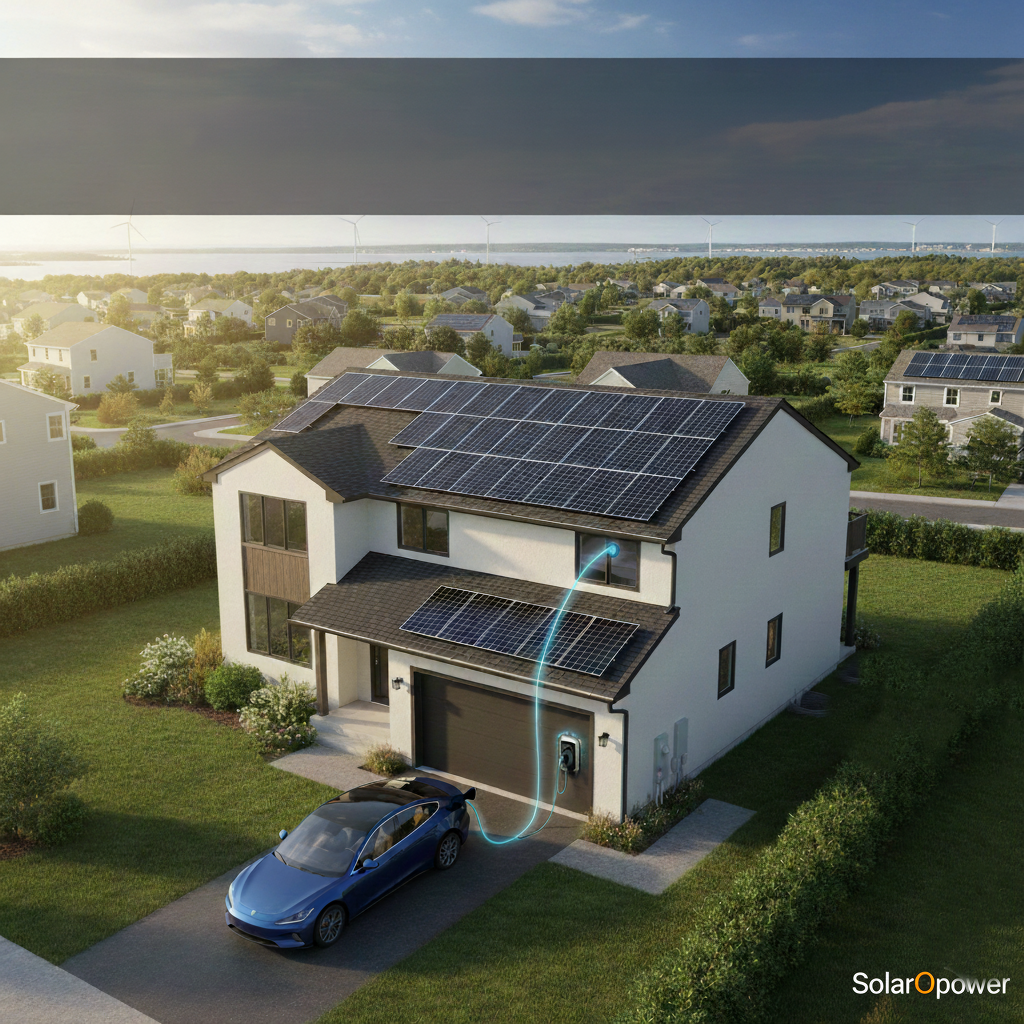
Once permits are approved, your installation is scheduled – and for most Long Island homes, it takes just 1 to 2 days.
Here’s what the crew does:
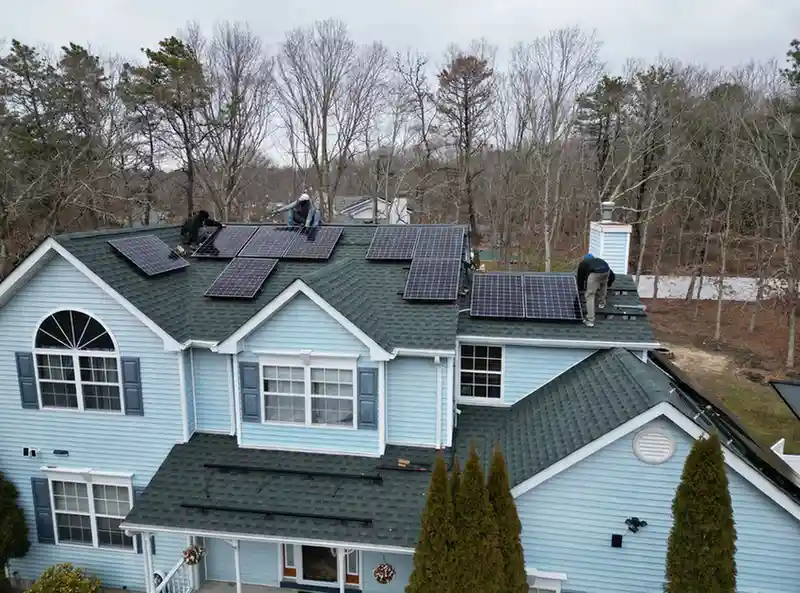
- Install roof mounting racking system
- Attach solar panels to the racking
- Run electrical conduit and wiring
- Install the inverter (converts DC power to AC for your home)
- Connect to your main electrical panel
You don’t need to take the day off – the crew works on your roof and in your garage or utility area. Most homeowners barely notice the process.
Timeline: 1–2 days
Town Inspection & Utility Sign-Off
After installation, two approvals are needed before your system can turn on:
- Town Building Inspection
A local inspector visits to confirm the installation meets electrical and structural codes. Your installer typically coordinates this.
- PSEG Final Interconnection Approval
PSEG may send a representative to install a new bidirectional meter and confirm the system is safe to connect. This is what allows net metering to begin.
Timeline: 1–3 weeks
System Activation & Net Metering Begins
Once you receive Permission to Operate (PTO) from PSEG, your system is officially live.
Your installer will:
- Activate your system monitoring app (so you can track production in real time)
- Walk you through how net metering credits appear on your PSEG bill
- Register your system with NYSERDA if applicable
From this point forward, every kilowatt-hour your panels produce offsets what you’d otherwise buy from PSEG – and any excess goes back to the grid as a credit.
Timeline: 1–3 days after PSEG approval
How Long Does Solar Panel Installation Process Long Island Take?
Phase Typical Timeline
Assessment & design 1–2 weeks
Permitting & PSEG approval 3–8 weeks
Installation 1–2 days
Inspection & interconnection 1–3 weeks
Total average 2–4 months
Frequently Asked Questions
Do I need to be home during the solar installation?
No – most homeowners are not home during installation. You’ll need to be present only for the final walkthrough and system activation.
What permits are needed in Nassau County vs. Suffolk County?
Both require a local building permit and PSEG interconnection approval. The specific forms and timelines vary by town. Your installer handles all submissions.
Will the installation damage my roof?
Professional installers use flashing and sealant at every penetration point. Roof leaks from proper solar installations are extremely rare.
Can I get solar if my roof needs to be replaced soon?
It’s best to replace your roof first. Some solar companies partner with roofers to do both at once, which can be more cost-effective.
What if PSEG is slow to approve my interconnection?
Unfortunately, PSEG approval timelines can vary. A good Long Island solar company will follow up on your behalf and keep you informed throughout.
What happens during a power outage?
Standard grid-tied solar systems shut off during outages for safety. To maintain power during outages, you need a battery storage system like the Tesla Powerwall.
Ready to Start Your Solar Journey on Long Island?
Going solar is one of the smartest financial decisions a Long Island homeowner can make – and the process is far simpler than most people expect. SolarOPower guides you through every step, from your first roof assessment to the day your system goes live.
Understanding the solar panel installation process Long Island helps homeowners plan ahead and avoid surprises.
➡ Get Your Free Solar Assessment – Contact SolarO Power Today