If you are thinking about installing solar panels on your Long Island home, one of the first questions you may have is simple: How long will solar panels last?
Solar panels are a long-term investment, so it makes sense to know what you can expect after 10, 20, or even 30 years.
The good news is that quality solar panels are built to last for decades. Most modern panels are expected to operate for around 25 to 30 years or longer, although their electricity production gradually decreases as they age. The U.S. Department of Energy notes that the expected operational lifespan of many PV panels has increased to roughly 25 to 35 years.
But there is an important point many homeowners miss: a solar panel reaching 25 years old does not mean it suddenly stops working. Instead, its energy production slowly declines over time. For a closer look at how much power is lost year by year, see our [Solar Panel Degradation] guide.
How Long Is the Average Solar Panel Life Expectancy?
The typical solar panel life expectancy is around 25 to 30 years. Some systems can continue producing electricity beyond that period, although at a lower output.
NYSERDA says homeowners can generally expect solar panels to generate electricity reliably for approximately 20 to 25 years, with panels potentially lasting longer with proper care.
The 25-year figure is often connected to manufacturers’ performance warranties. Many modern panels are designed to maintain a significant portion of their original power-producing capacity for at least 25 years.
So, if you install solar panels today, you should not think of them as equipment that needs to be replaced after exactly 25 years. Instead, think of 25 years as an important performance milestone.

What Happens to Solar Panels as They Get Older?
Solar panels slowly lose some of their ability to produce electricity. This natural process is called solar panel degradation.
The degradation is gradual rather than sudden. For example, a panel that produces a certain amount of electricity when it is new may produce slightly less several years later. The U.S. Department of Energy reports that PV module efficiency commonly declines at roughly 0.5% per year, although actual degradation varies by equipment and conditions.
This means an older panel can still be useful even after decades of operation. The important thing is to look at actual system performance, rather than assuming that an older panel has stopped being worthwhile.
What Factors Affect Solar Panel Lifespan?
Solar panels spend their entire lives outdoors. That means the quality of the equipment, installation, and surrounding conditions can all influence how well they perform over time.
Quality of the Solar Panels
Not every solar panel is manufactured to exactly the same standards. The materials used, manufacturing quality, testing, and warranty terms can all affect long-term performance. When comparing solar systems, don’t look only at the panel’s initial price. Check its performance warranty, product warranty, and expected degradation rate as well.
Installation Quality
Even a high-quality panel can experience problems if the system is poorly installed. Correct mounting, electrical connections, wiring, and system design are important for long-term reliability. A professional installation can also help reduce problems caused by water intrusion, movement, poor connections, or excessive mechanical stress.
Weather Conditions
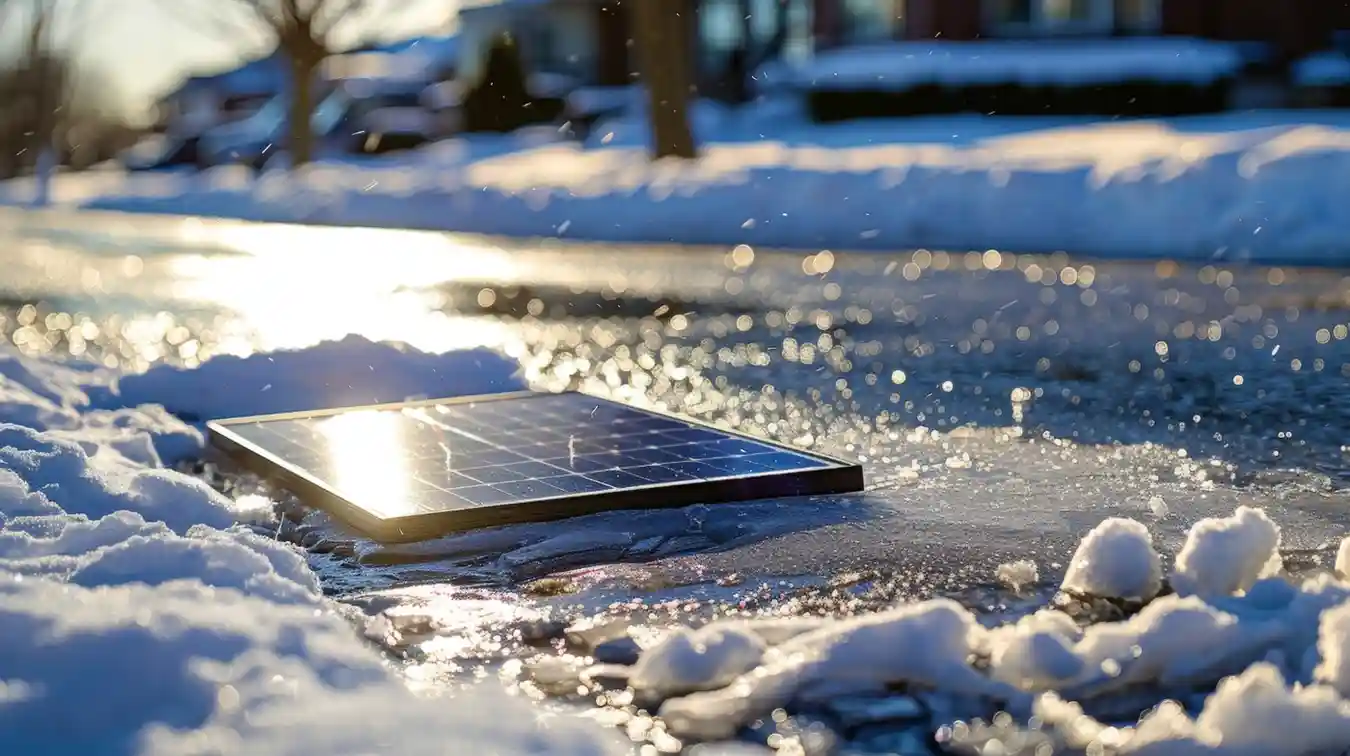
Long Island homeowners know that a rooftop system has to deal with changing weather throughout the year. Rain, snow, ice, wind, and temperature changes can all put stress on outdoor equipment. Strong winds can create mechanical loads on panels, while snow can temporarily reduce production and add additional weight.
That doesn’t mean normal weather will quickly damage a properly installed system. Solar panels are designed for outdoor use. However, severe weather events can sometimes cause damage that needs to be inspected.
Regular Maintenance
Solar panels generally don’t require complicated maintenance, but that doesn’t mean they should be completely ignored. Keeping an eye on energy production can help you notice unusual changes.
Dirt, leaves, and debris can sometimes reduce the amount of sunlight reaching the panels. NYSERDA recommends monitoring solar output and checking the system if generation drops unexpectedly.
If something seems unusual, an inspection can help determine whether the issue is related to the panels, inverter, wiring, or another part of the system.
How Much Do Solar Panels Degrade Each Year?
Degradation varies depending on the panel and the conditions in which it operates. A commonly cited figure is around 0.5% per year, although actual rates can differ between products and installations.
The important thing to understand is that degradation doesn’t mean the panels become useless. Instead, their electricity production gradually decreases.
For example, if a panel originally produced 100 units of energy under comparable conditions, a small annual decline would mean it produces somewhat less after many years. It can still generate useful electricity long after its first decade.
This is why checking the manufacturer’s performance warranty is important when choosing a solar panel system. For a full year-by-year breakdown, see our [Solar Panel Degradation Explained] post.
Does a Solar Panel Stop Working After 25 Years?
No. The 25-year mark should not be treated as an expiration date.
Solar panels can continue generating electricity after 25 years, although their output may be lower than when they were new. The U.S. Department of Energy explains that most systems can continue operating beyond their initial performance period, depending on their condition and economics.
At that point, homeowners have several options:
Continue using the existing panels
Repair or replace individual components
Upgrade part of the system
Replace older panels with newer technology
Evaluate whether a complete system upgrade makes financial sense
The right choice depends on the system’s actual performance, condition, and the homeowner’s energy needs.
How Long Do Solar Inverters Last?
The solar panels are not the only part of the system that matters.
The inverter converts the electricity produced by the panels into electricity that your home can use. Inverters can have a different service life from the panels.
Depending on the type and equipment, an inverter may need replacement before the solar panels themselves reach the end of their useful life. That means replacing an inverter does not necessarily mean replacing the entire solar panel system.
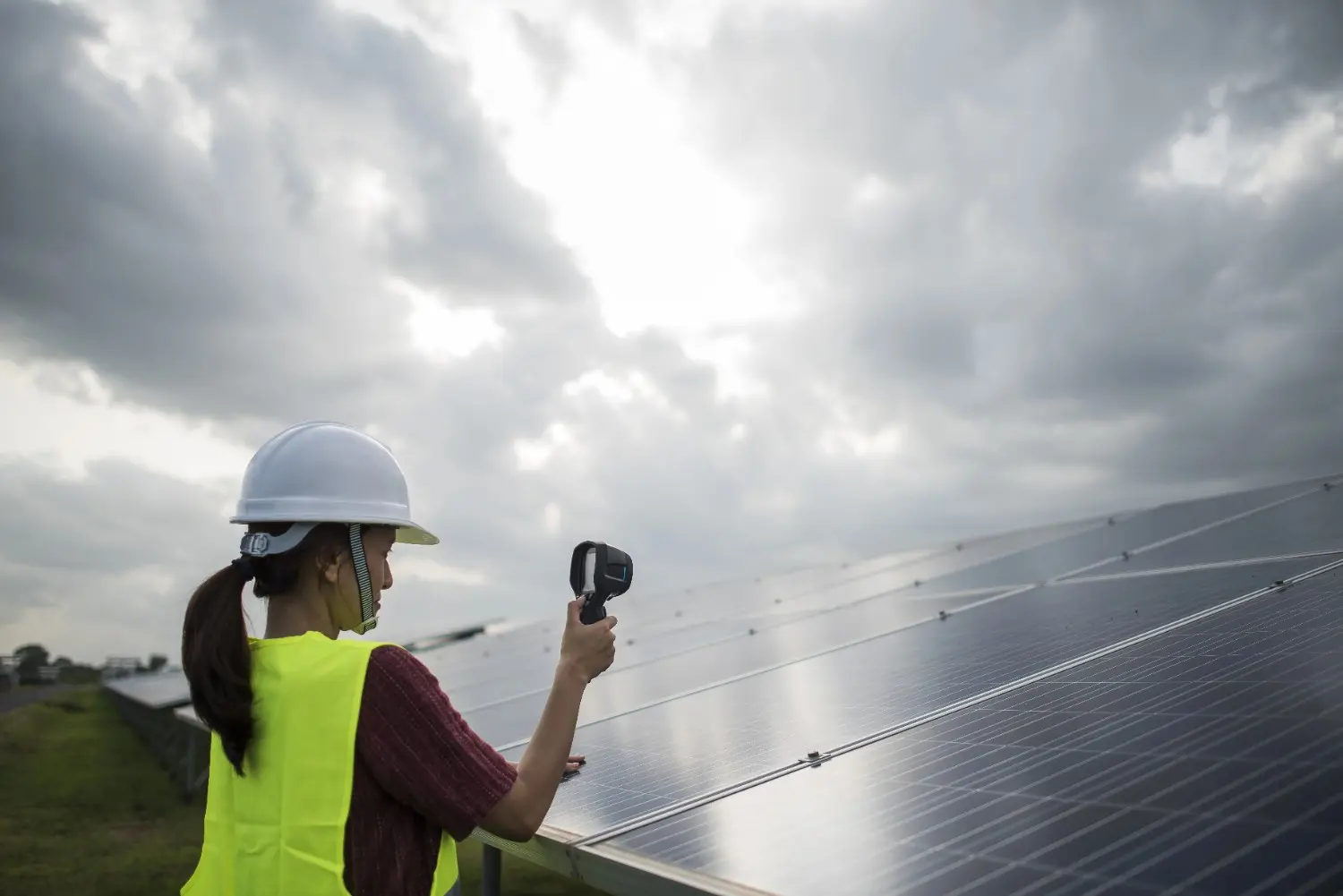
A professional inspection can help identify which component is actually causing a performance problem. Our guide on [String Inverter vs Microinverter vs Power Optimizer] covers the differences between inverter types.
Can Solar Panels Last Longer Than 30 Years?
Yes, they can continue producing electricity beyond 30 years.
However, there is an important difference between technical lifespan and economic lifespan. A panel may still produce electricity after 30 years, but an older system may not be as efficient as newer technology. At some point, a homeowner may decide that upgrading makes more sense because newer equipment can produce more electricity from the available roof space.
The U.S. Department of Energy notes that decisions about replacing an older rooftop system should consider performance, technology improvements, and the condition of the existing equipment rather than relying only on age.
How Can Long Island Homeowners Extend Solar Panel Life Expectancy?
There is no way to stop natural degradation, but good system care can help you get the most from your investment.
Monitor Your Solar Production – Keep an eye on your system’s energy production. A significant unexplained drop can be a reason to investigate.
Keep the Panels Clear – Rain often helps remove ordinary dust and dirt, but leaves, debris, or other buildup may sometimes require attention.
Inspect After Severe Weather – After major storms or unusually strong winds, check for visible damage and have the system professionally inspected if you notice anything unusual.
Pay Attention to Your Roof – Solar panels are attached to your roof, so the condition of the roof matters too. If a roof is approaching the end of its useful life, it is worth discussing the timing of roof work before installing a solar system.
Keep Your Warranty Information – Save your panel, inverter, and installation warranty documents. If a component develops a problem later, having those records available can make the process much easier.
When Should You Replace Solar Panels?
Age alone is not always a good reason to replace solar panels. Instead, consider:
Is the system still producing enough electricity?
Has production dropped significantly?
Are repairs becoming frequent?
Is the equipment difficult to maintain?
Is the roof being replaced?
Would newer panels significantly increase your energy production?
Are replacement costs justified by the expected energy savings?
In some situations, keeping an older system running is the better financial decision. In others, upgrading may provide more value. The best approach is to look at the condition and performance of the complete system before making a decision.
Solar Panel Life Expectancy: What Long Island Homeowners Should Remember
Solar panels are designed to be a long-term investment, not a short-term appliance.
With modern solar technology, homeowners can generally expect decades of electricity production, with gradual performance decline rather than an abrupt failure.
For Long Island homeowners, choosing quality equipment, using a professional installer, and keeping track of system performance can help make the most of that investment.
If you’re considering solar for your home, SolarOPower can provide a professional assessment to help determine whether your roof, energy usage, and current electrical setup are suitable for a solar system.