
Solar for Warehouses and Industrial Buildings in Hauppauge
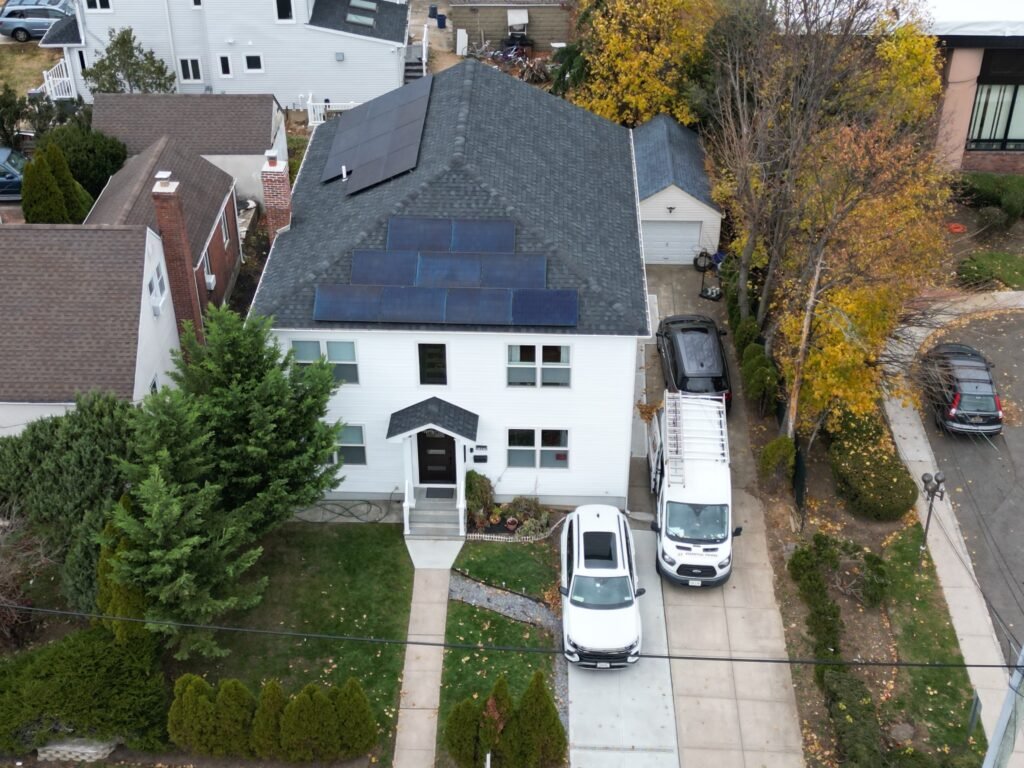
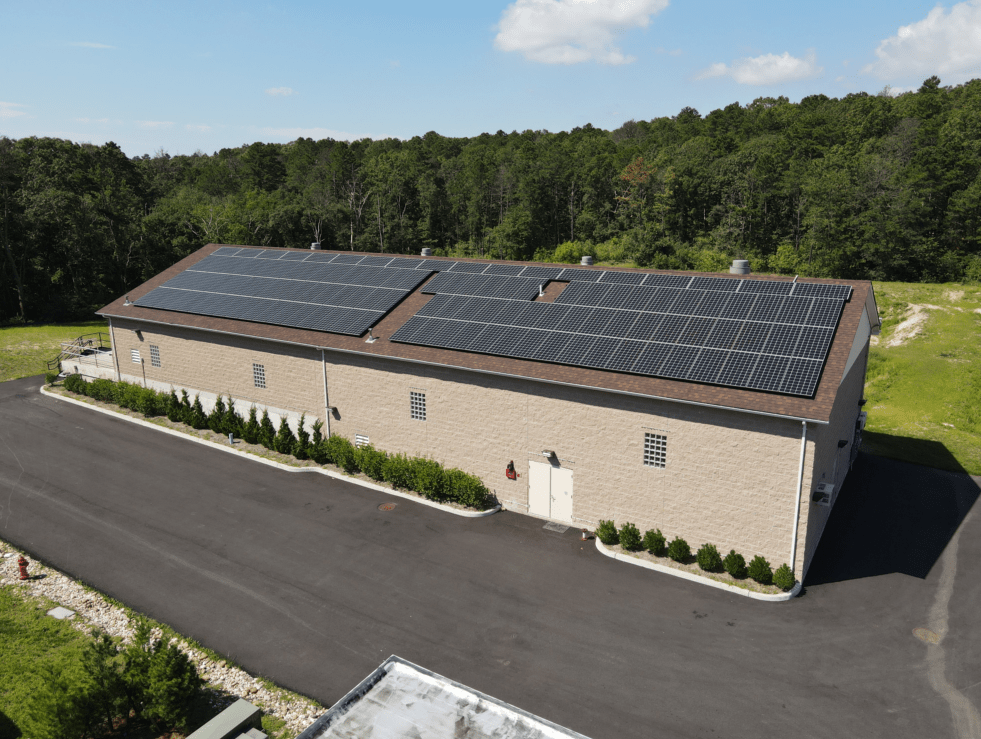
Quick answer: Solar for warehouses Long Island businesses use works best on buildings with large, flat or low-slope roofs, steady daytime electricity use and a roof in good condition. A warehouse or industrial building in Hauppauge can often host a large rooftop system, but roof age, structural capacity, electrical service and utility approval all need […]
Solar Panels on Slate, Tile, Metal and Shingle Roofs: What Works on Long Island
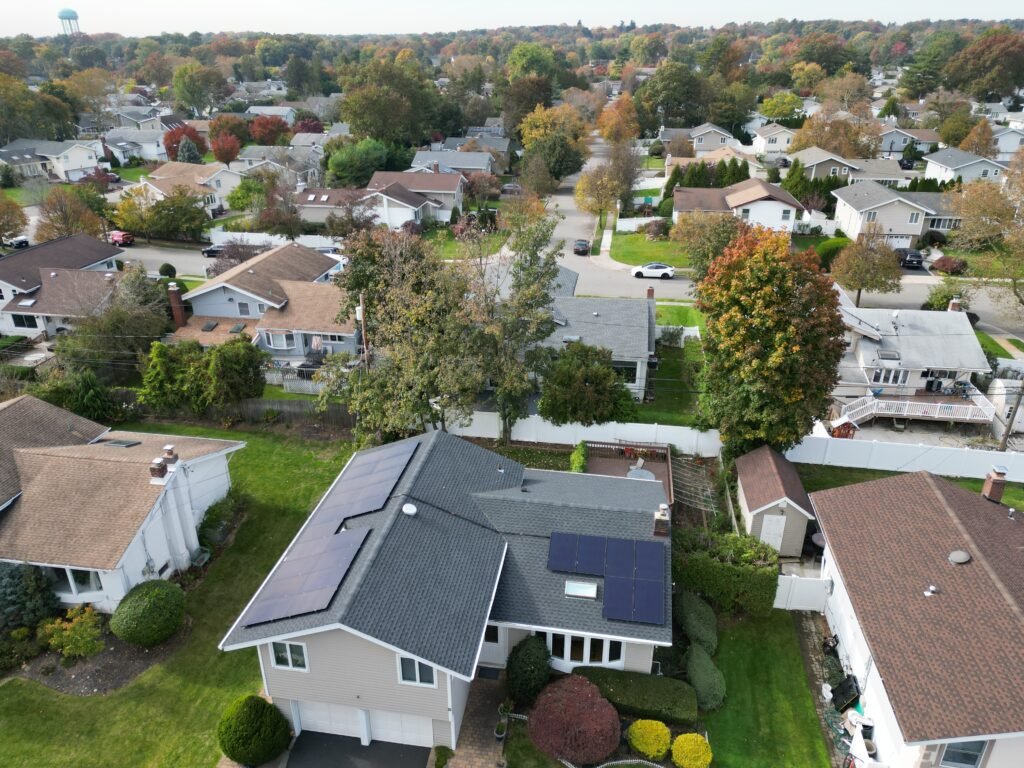
Quick answer: Yes, solar panels on different roof types-including asphalt shingle, metal, tile, and slate roofs-can be safely installed on Long Island homes. Shingle roofs are the simplest, metal roofs often allow clamp-on mounting, and tile and slate roofs need specialized hardware and an experienced installer. The right choice depends on your roof type, condition […]
Solar Panels on Flat Roofs: A Guide for Suffolk County Businesses
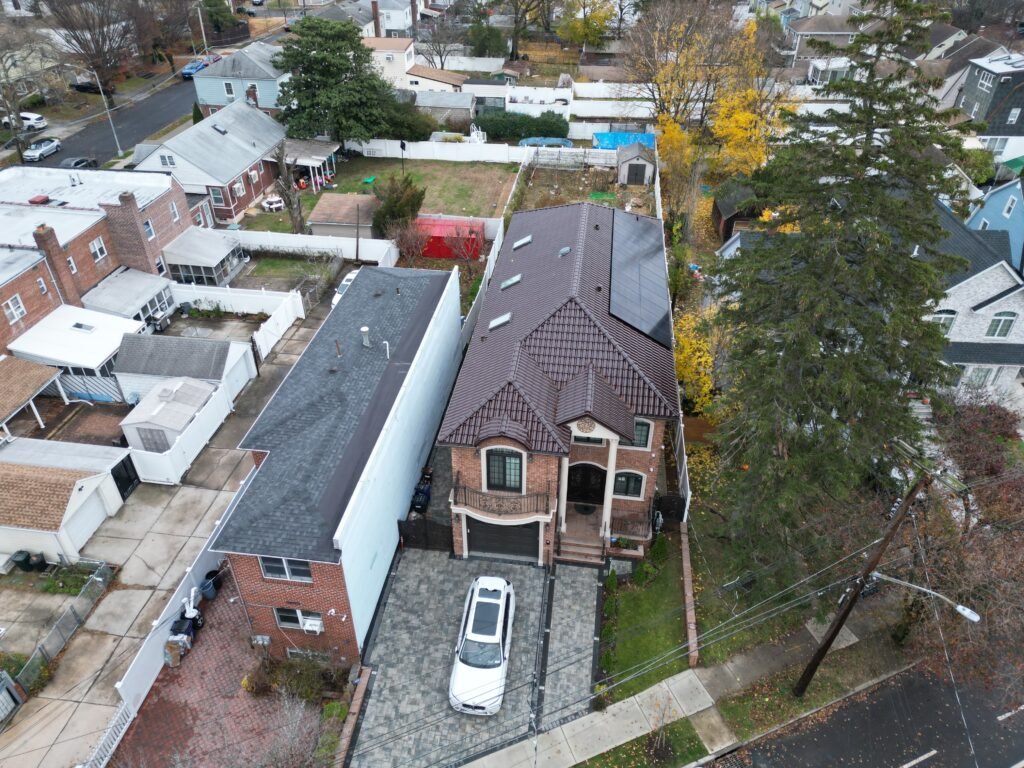
Commercial solar flat roof Long Island projects are common for good reason: warehouses, offices and light-industrial buildings across Suffolk County often have large, open roofs with few obstructions. But a flat roof is not a simple “bolt on panels and go” job. This guide explains what business owners should check before they request a quote. […]
Solar for Farms and Vineyards on Long Island’s North Fork: How Agricultural Producers Cut Electric Bills
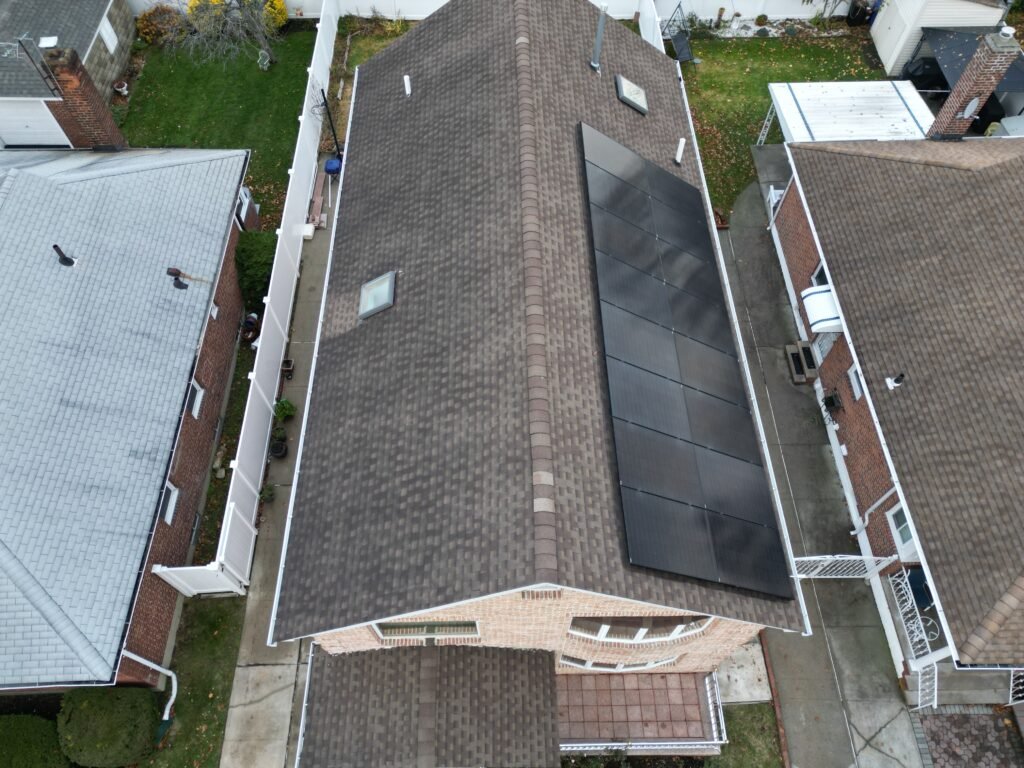
How does solar for farms Long Island work? Installing solar for farms Long Island allows nurseries, vineyards, and agricultural operations across Suffolk County (Riverhead, Southold, and the North Fork) to offset heavy irrigation and cold-storage electric bills using on-site commercial solar power. Agricultural producers can access up to a 30% commercial clean energy credit (ITC/Section […]
Do Trees Affect Solar Panels? Long Island Shading Guide
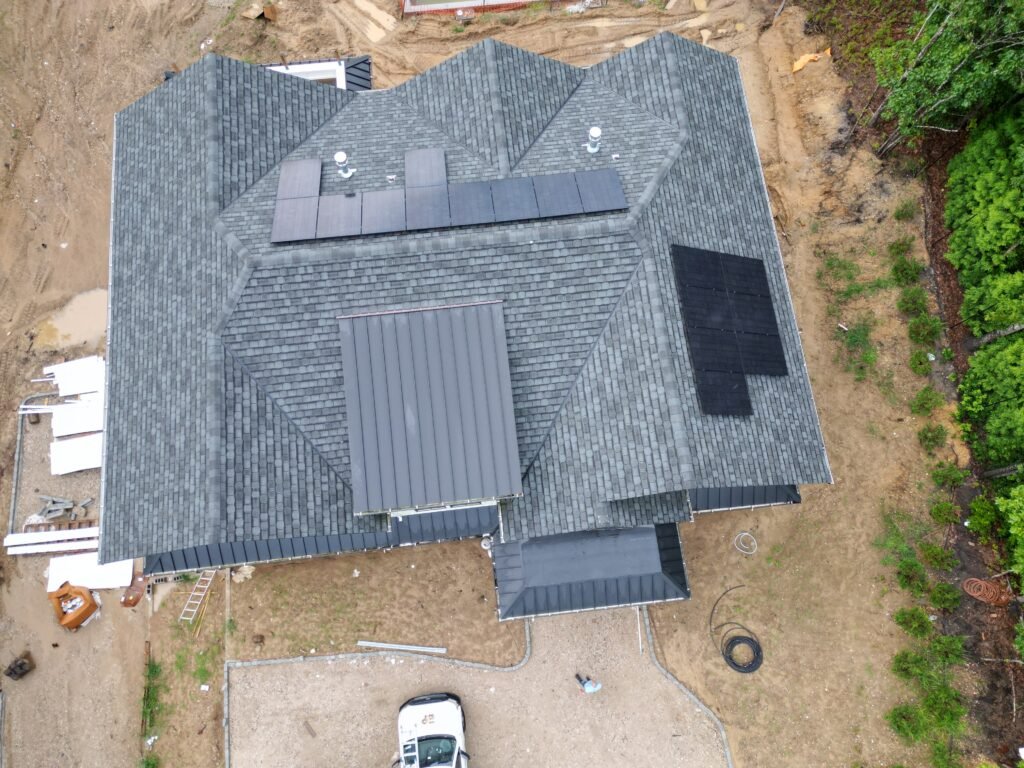
Do trees affect solar panels? It’s the first question we hear from homeowners in Huntington, Northport, and Great Neck – usually right after they look up at a 60-foot oak hanging over their roof and wonder if solar is even worth it for them. It’s a fair question, and honestly, it deserves a better answer […]
Home Battery vs Generator Long Island: Which Keeps Your Lights On Better?
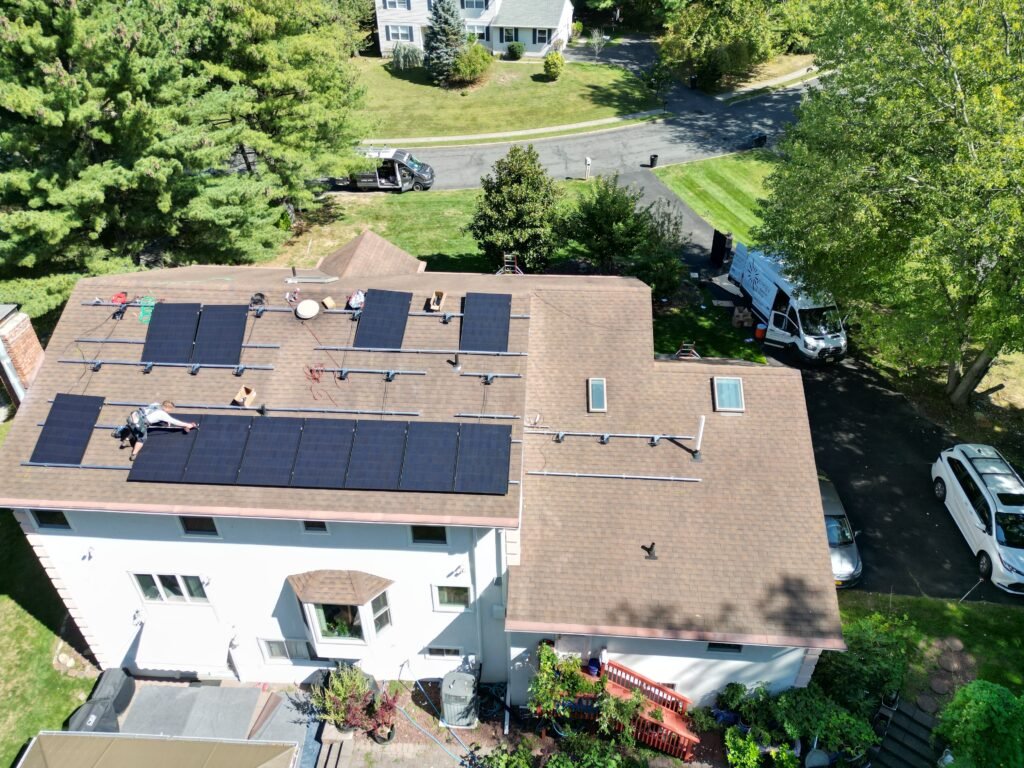
Quick answer: For most Long Island homes, a home battery is the better fit. It switches on within moments, runs silently, needs no fuel and can recharge from solar. A standby generator wins in very long outages and for heavy loads like central air, because it runs as long as it has fuel. Some homeowners […]
PSEG Long Island Battery Rewards: 4 Rules to Earn Cash
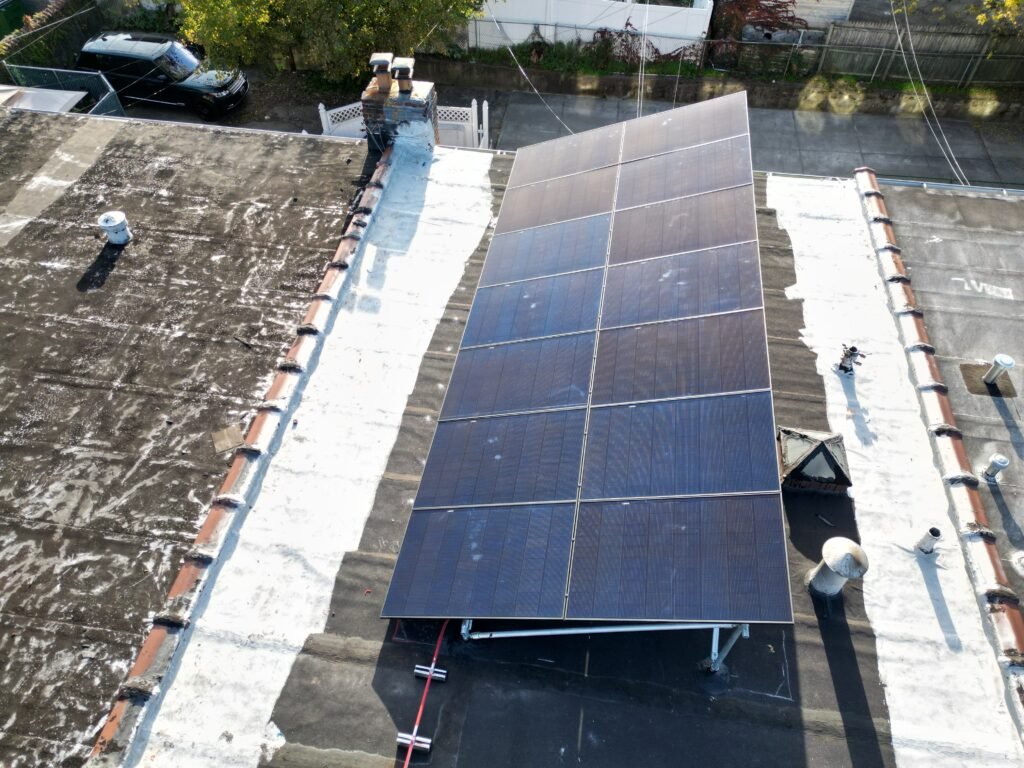
Quick Answer: The PSEG Long Island battery rewards program (often operated alongside ConnectedSolutions and Virtual Power Plants) pays residential solar storage owners up to $250 per kWh of usable capacity-often earning between $2,500 and $6,250 in upfront and recurring incentives. In exchange, participating homeowners allow PSEG Long Island to draw brief, automated power discharges from […]
How to Protect Your Solar Panels from Birds and Squirrels on Long Island
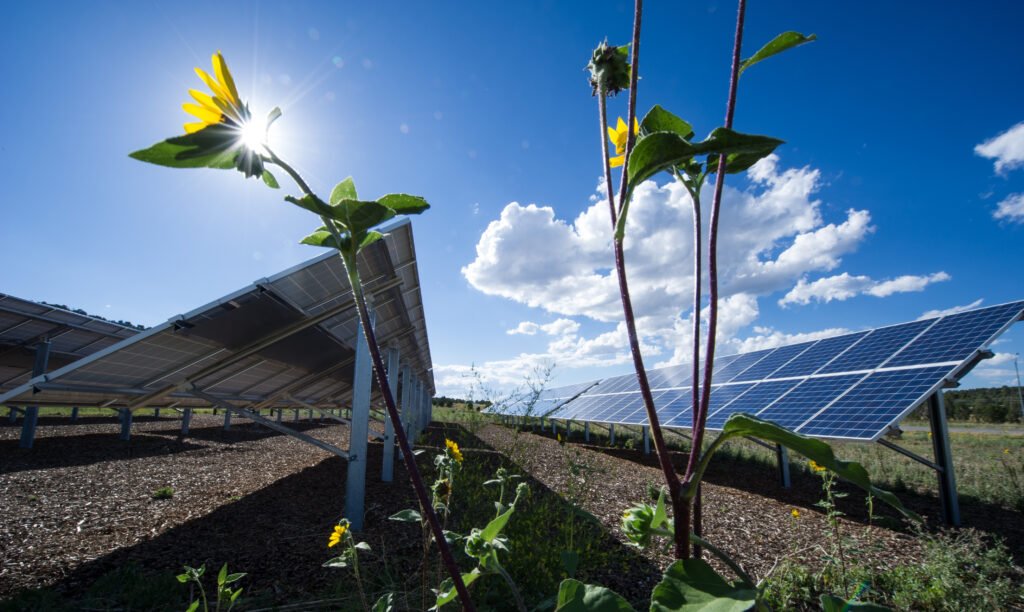
Quick answer:A solar panel pest guard Long Island is the most effective way to protect your system from birds and squirrels – a PVC-coated steel mesh installed around the panel perimeter with clips (no drilling). Professional installation typically costs $450–$1,500 on Long Island depending on system size. Left unprotected, squirrels can chew through DC wiring […]
How Much Does Solar Battery Storage Cost in Long Island? 2026 Pricing Guide
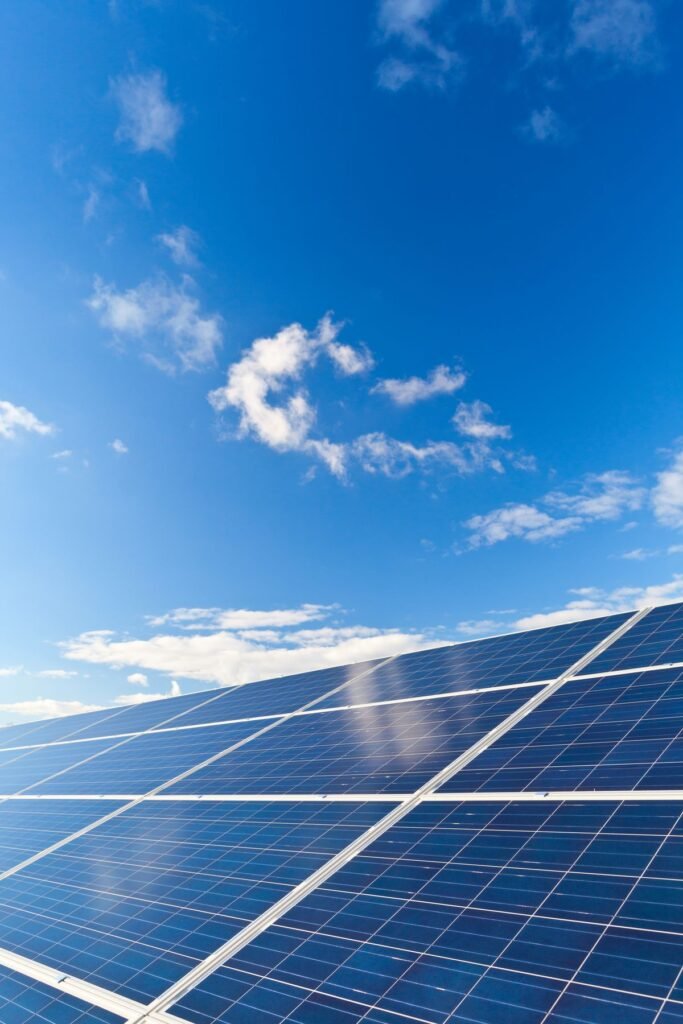
Quick Answer: Solar battery storage in Long Island costs between $10,000 and $18,000 installed for most homes in 2026, with the New York state average landing at about $14,900 for a 13 kWh system before incentives. Solar Battery Storage Cost Long Island.That works out to roughly $1,000-$1,200 per kilowatt-hour installed. A single Tesla Powerwall 3 […]
Is There a NY-Sun Rebate on Long Island in 2026? What Homeowners Actually Qualify For
Standard-income Long Island homeowners should not assume they’ll get a large NY-Sun rebate – Long Island’s program works differently than many expect in 2026. The program still funds Long Island, but the incentive confirmed today on NYSERDA’s own dashboard is aimed at lower-income households – not the general public. If you’re budgeting for solar in […]